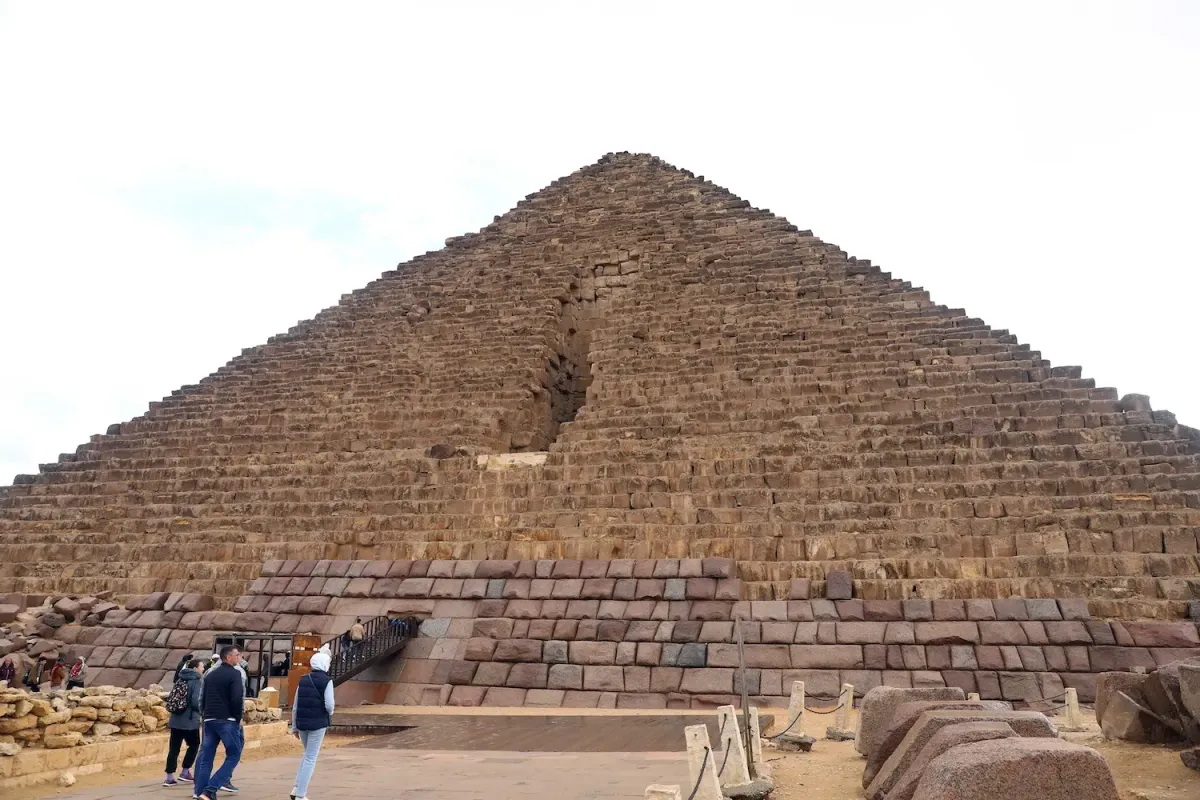
Ramses II, a.k.a. Ramses the Great, ruled Egypt for 66 years when it was basically the global superpower. And he wanted everyone to know it. This wasn't a humble king; this was a pharaoh who understood branding. He launched building projects so massive they'd make modern developers blush, from sprawling temple complexes to gold mines. And, naturally, he commissioned a frankly absurd number of towering monuments carved in his own likeness.
Because if you’ve got it, flaunt it — ideally in several tons of stone.
Another Ramses, Another Revelation
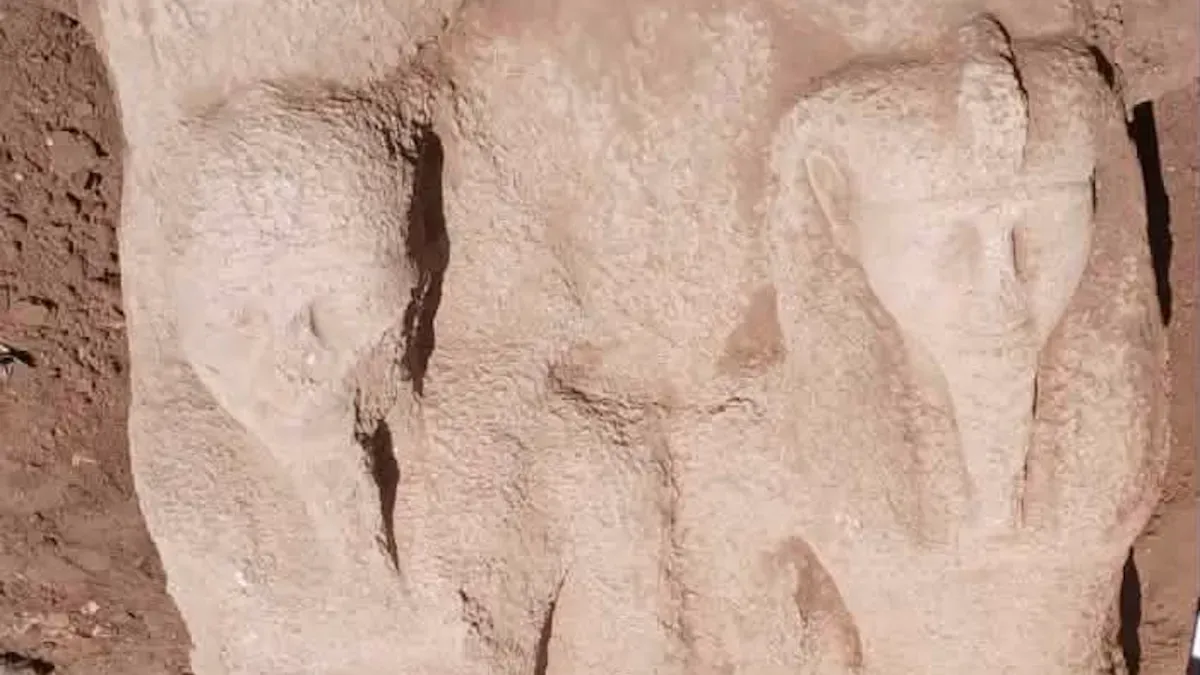
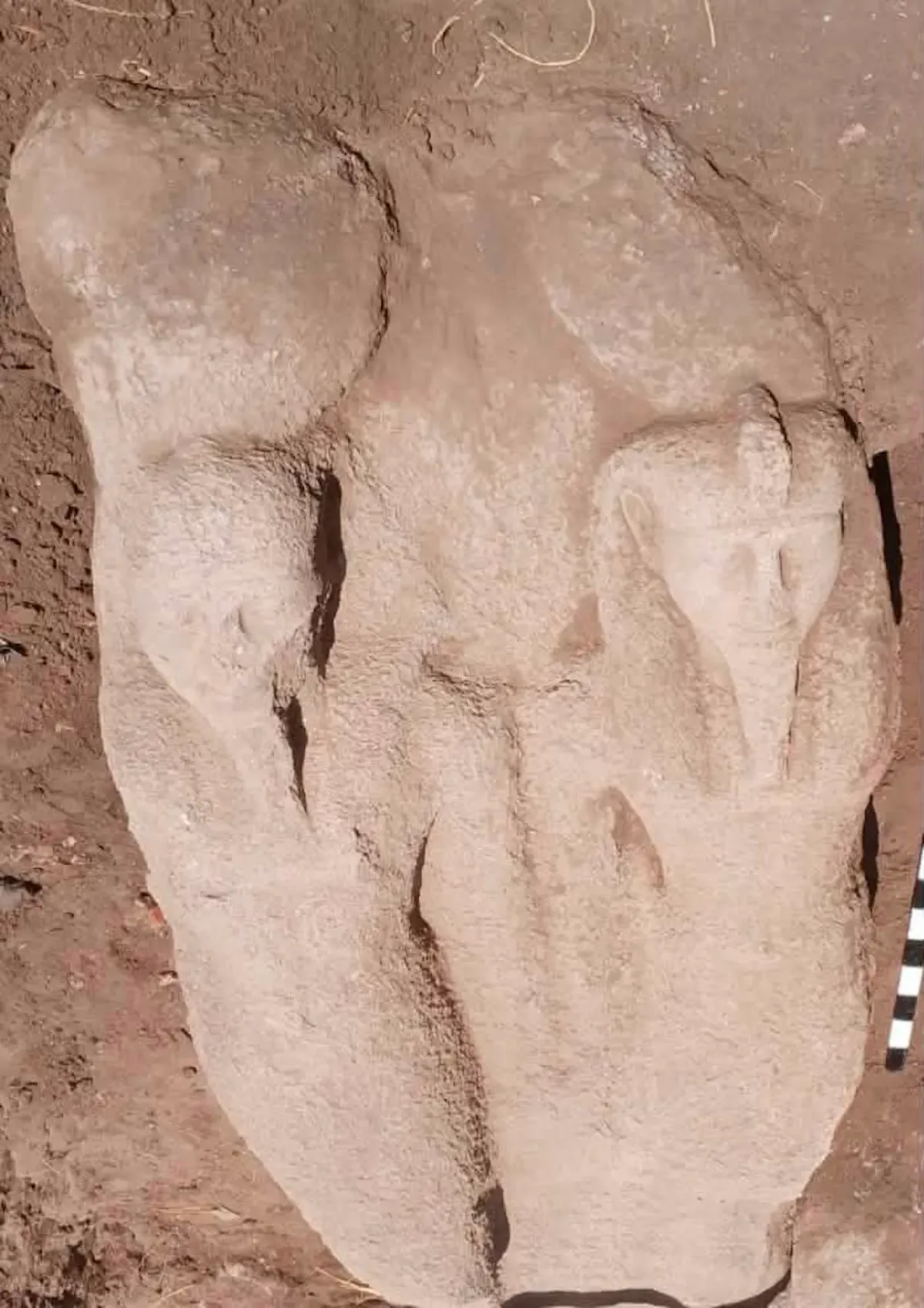
Archaeologists recently unearthed the upper half of yet another Ramses II statue in the eastern Nile Delta, at the ancient site of Imet (now Tel Faraoun). This isn't some tiny bust for the mantlepiece. We're talking 7.2 feet tall and weighing in at a casual five to six tons. Let that satisfying number sink in.
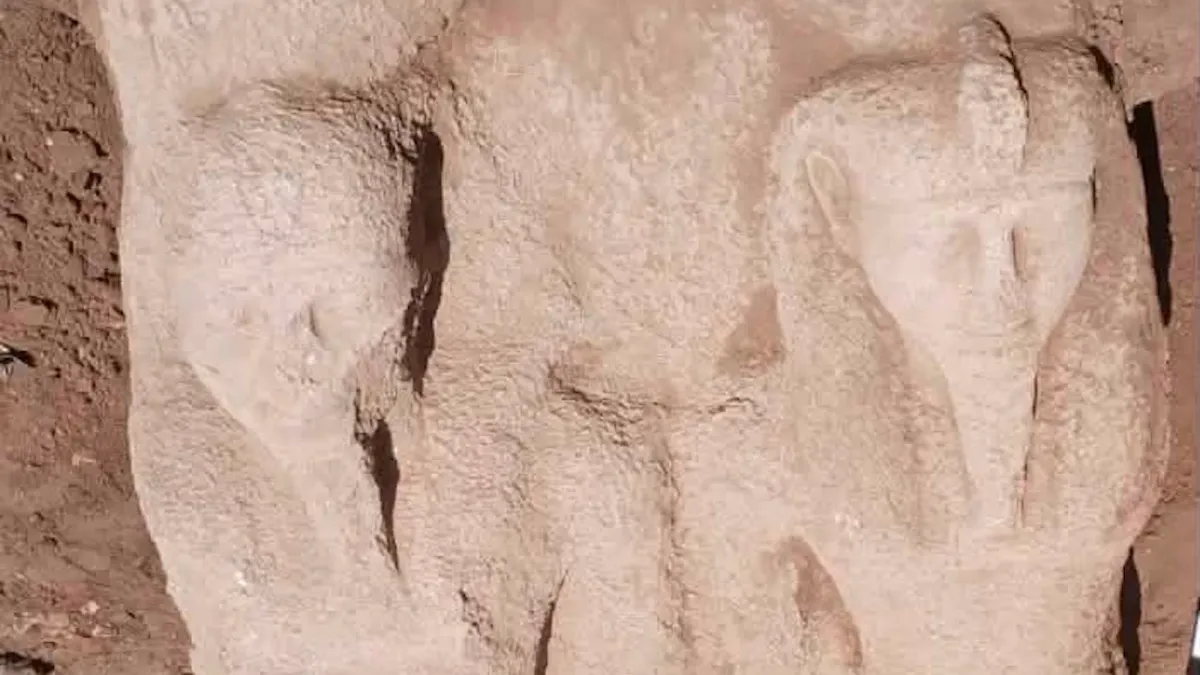
They've whisked the ancient fragment off to a storage facility, presumably with a small army of forklifts, to protect it. The plan? Analyze, restore, and then, perhaps, let the public gaze upon this ancient, stone-faced selfie.
We're a new kind of news feed.
Regular news is designed to drain you. We're a non-profit built to restore you. Every story we publish is scored for impact, progress, and hope.
Start Your News DetoxDespite being over 3,000 years old, the statue’s artistic details apparently scream "Ramses II." Experts believe it was originally crafted in Pi-Ramsesse, the capital city Ramses himself founded, before being schlepped about 15 miles north to Imet. Because what’s a little relocation for a monument of this magnitude?
Researchers suspect this colossal fragment was once part of an even grander display. Many similar sites feature what are called "triads" — huge sculpture projects showing a ruler flanked by two gods, all designed to project an aura of divine power and protection. Which, if you think about it, is both impressive and slightly terrifying.
Ramses II lived a remarkably long and prosperous life, kicking the bucket at 90 years old in 1213 BCE. He also, perhaps unsurprisingly given his prolific building habits, managed to father somewhere between 88 and 103 children. Because why stop at statues when you can also populate an entire kingdom?