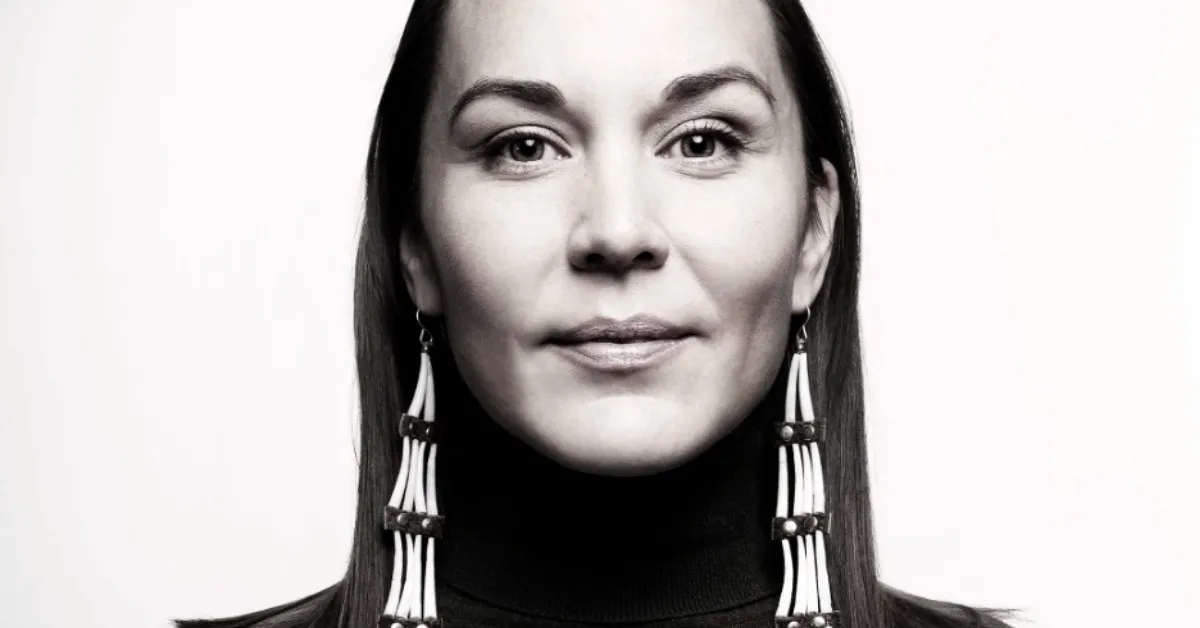
In 2018, artist Cara Romero had a thought: What if the dolls meant to represent Indigenous girls actually, you know, represented them? Because the ones on shelves? They were often less 'historically accurate' and more 'historically... oof.'
Romero, a Chemehuevi artist, noticed a distinct lack of detail, love, and frankly, humanity in how Native American people were portrayed, especially when it came to dolls for kids. For her daughter, born in 2006 and a big doll fan, Romero wanted something better. Something that celebrated Indigenous women with the richness and respect they deserved.
First American Girl
So, Romero did what any visionary artist would do: she created her own. She started a photography series titled "First American Girl," turning her lens on real Indigenous women and placing them inside elaborate, doll-box-like scenes. The first stunning piece, "Wakeah," features Wakeah Jhane Myers of the Kiowa and Comanche tribes, adorned in a Southern Buckskin dress, surrounded by a captivating mix of traditional and contemporary regalia.
We're a new kind of news feed.
Regular news is designed to drain you. We're a non-profit built to restore you. Every story we publish is scored for impact, progress, and hope.
Start Your News DetoxEach year, Romero expands the series, capturing the distinct lives and identities of different Indigenous people. There's "Naomi" from the YTT Northern Chumash Tribe and "Amber Morningstar" from the Choctaw Tribe, each portrait a vibrant, powerful statement.
This isn't just art for art's sake. Romero says the project helped her dismantle some of the stereotypes she'd internalized growing up. And for her daughter, it's been a masterclass in self-esteem and identity. As Romero puts it, her community empowers women to be strong and have a voice — and that's precisely the legacy she's passing on. Because, apparently, that's what mothers do when the doll aisle just isn't cutting it.