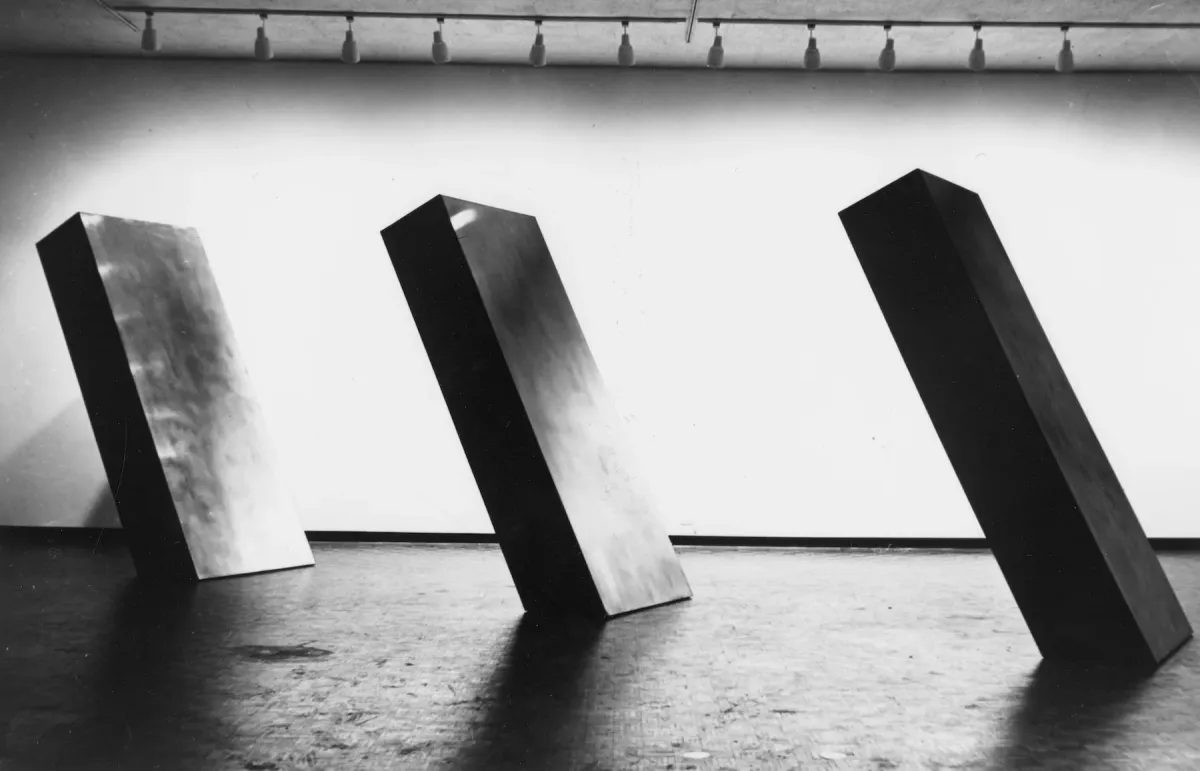
In 1966, the Jewish Museum in New York opened "Primary Structures." This exhibition showcased a new art style that would later be called Minimalism. Conservative art critic Hilton Kramer reviewed the show for The New York Times. He disliked the art, calling it detached and theoretical.
Kramer noted that the 42 American and British artists in the show ignored personal touches. Instead, their work showed "extreme detachment." Despite his criticism, Kramer recognized the exhibition's importance. He predicted it would become a major style of the period.
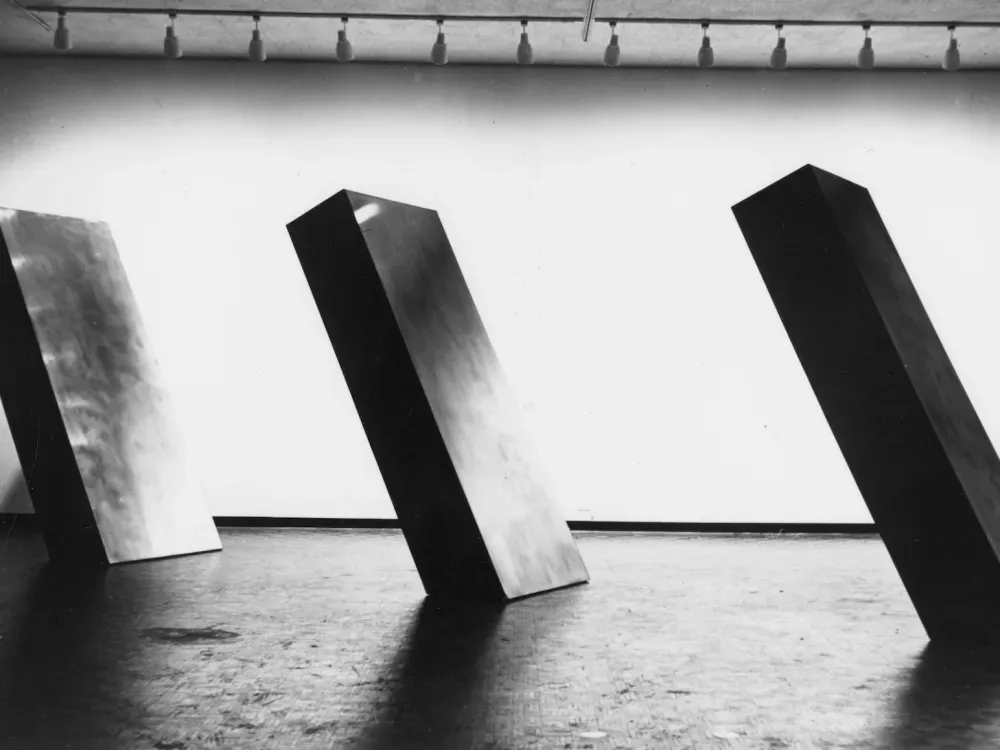
The Rise of Minimalism
Kramer's prediction came true. "Primary Structures" became a key moment for Minimalism. This style influenced art, architecture, fashion, and design. The term "minimalism" became a synonym for anything simple or reduced. Many artists, however, disliked the label.
We're a new kind of news feed.
Regular news is designed to drain you. We're a non-profit built to restore you. Every story we publish is scored for impact, progress, and hope.
Start Your News DetoxThe art world of the mid-20th century was smaller than it is today. People believed that new art styles, or "-isms," came from specific places like Paris or New York. Art history was seen as a series of new styles replacing old ones. Many thought this meant art was becoming simpler, shedding detail. Minimalism seemed like a natural next step in modern art.
The exhibition featured artists who later became famous. These included Carl Andre, Dan Flavin, Donald Judd, Sol LeWitt, and Judy Chicago from the U.S. British artists like Philip King also participated.
Kynaston McShine, the curator, never used the word "Minimalism." He avoided labeling the work, letting it speak for itself. The term was created later to describe different artistic approaches.
Influences and New Ideas
The artists in "Primary Structures" were influenced by earlier geometric abstract artists. Kramer saw connections to Kazimir Malevich and Piet Mondrian. Artists like Ad Reinhardt and Barnett Newman also played a role.
However, the intentions of these earlier artists differed. Malevich and Mondrian saw painting as spiritual. Newman's large color fields aimed to overwhelm viewers. Reinhardt's "Black Paintings" were close to Minimalism but were meant to be a form of liberation.
Many "Primary Structures" artists aimed for total neutrality. Donald Judd's idea of the "specific object" was central to this. Judd believed art's meaning came from its presence in three-dimensional space. It was meant to be understood all at once, not as separate parts. He rejected painting because he saw it as illusionistic. Judd argued that "actual space is intrinsically more powerful."
Judd often had others make his work. This bothered Kramer but reflected an American, hands-on approach. It also showed a move away from historical art traditions.
McShine's views were less strict. He included artists like Anthony Caro, whose sculptures were like concrete paintings. Caro, along with Tony Smith, was a key figure in the exhibition.
"Primary Structures" was seen as a break from tradition. It suggested that artists were becoming more like designers than makers. Having work fabricated by others became a common practice in contemporary art.
Despite Judd's criticisms of painting, much of the work in the show had a strong visual impact. Many artists used bold colors and flat shapes, similar to those found in paintings.
The Jewish Museum was a major force in contemporary art at the time. It hosted early retrospectives for artists like Robert Rauschenberg and Jasper Johns. "Primary Structures" showed an era where new ideas in art were highly valued. Even Kramer admitted the show proved "the flourishing existence of an entirely new sculptural esthetics."