


A bonebed in southwestern Qatar has yielded fossils of a previously unknown sea cow species that grazed on seagrass millions of years before humans ever arrived. The discovery suggests that these marine mammals have been quietly engineering ocean ecosystems in the same region for at least 21 million years—a finding that reframes how we think about the role these animals play today.
Researchers at the Smithsonian's National Museum of Natural History, working with the Qatar Museums, recovered more than 300 fossil remains from at least 6 individuals at Al Maszhabiya, a site they describe as "the world's richest sea cow deposit." The fossils, dated to between 23 and 21.6 million years ago, belong to Salwasiren qatarensis, named for the nearby Bay of Salwa and Qatar itself. The animals likely resembled miniature versions of today's dugongs, with straighter snouts and smaller tusks.
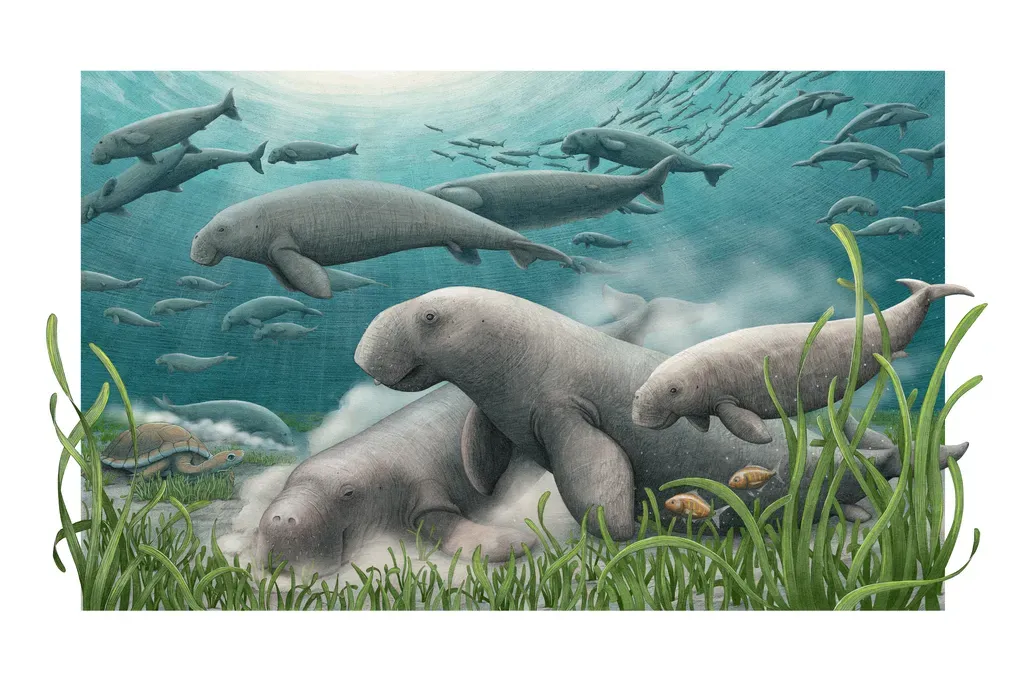
What makes this discovery significant isn't just that a new species existed. It's that sea cows—a group that includes modern manatees and dugongs—have been shaping their environment through the same behavior for tens of millions of years. Today, dugongs spend their time grazing on seagrass meadows in the Persian Gulf, and in doing so, they act as "ecosystem engineers." They dig up nutrients from the seafloor, reshape the seabed, and create conditions that support broader marine life. The fossils suggest this role is ancient.
We're a new kind of news feed.
Regular news is designed to drain you. We're a non-profit built to restore you. Every story we publish is scored for impact, progress, and hope.
Start Your News Detox"We know today that many marine mammals can have a disproportionate impact on ocean ecosystems," says Nick Pyenson, the study's lead author and curator of fossil marine mammals at the Smithsonian. "But we don't know how long that's been going on. This is one of the first times we can point and say, this has probably been going on for tens of millions of years."
The fossils came from a site that geologists first discovered in the 1970s, though researchers didn't identify the remains as sea cow fossils until the early 2000s. After years of delays, the team received permits to study the site in 2023 and have since located nearly 200 fossil sites within a remarkably small area—what Pyenson calls a "spectacular density" compared with other known locations. The site sits less than 10 miles from a bay where seagrass meadows still thrive and dugongs still feed today.
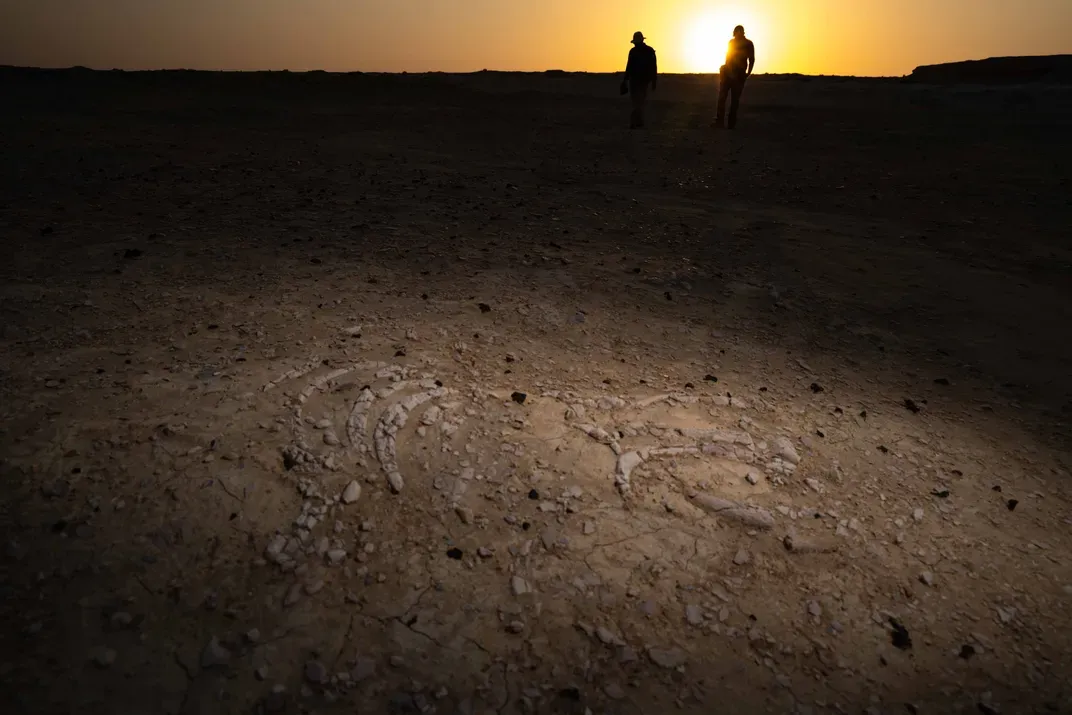
The collaboration between the Smithsonian and Qatar Museums is ongoing. Researchers are planning to continue excavating and studying fossils at Al Maszhabiya, and the Qatar Museums team is working toward nominating the site as a UNESCO World Heritage Site. For Pyenson, the deeper implication is clear: understanding how these animals have functioned as ecosystem engineers across millennia matters for how we protect them now. "There's so much about the natural history of the animals that live alongside us that we don't understand," he says. "If we protect these marine animals, that is incredibly important to the future."
The research was published in PeerJ in December 2025.





