Sometimes a movie doesn't quite work—the script wavers, the direction falters, the pacing stumbles. But then one performance arrives with such clarity and conviction that it becomes the reason to watch. These six actors didn't just survive their films' shortcomings. They gave us moments we still think about.
The ones who went against type
Sylvester Stallone built his career on swagger and muscle. In Cop Land, he shed both. Playing a small-town New Jersey sheriff slowly losing his grip on self-respect, Stallone delivered something quiet and bruised—a man watching his own erosion. The film around him is uneven, but his work here ranks among the best of his career because it required him to be someone entirely different.
Kristen Stewart faced a similar challenge with Spencer. Playing Princess Diana meant stripping away the icon, the mythology, the public performance. She built the character through stillness and internal choice rather than grand gestures, grounding the film's abstraction with genuine emotional specificity. It's the kind of performance that reminds you why actors matter.
We're a new kind of news feed.
Regular news is designed to drain you. We're a non-profit built to restore you. Every story we publish is scored for impact, progress, and hope.
Start Your News DetoxThe ones who brought love to the role
Matthew Lillard became Shaggy. The Scooby-Doo films are unbalanced—tonally confused, sometimes awkward—but Lillard approached the character with genuine commitment. He took the cartoonish exaggeration seriously, translating it into something wholesome that endured. For many people, he doesn't just play Shaggy. He is Shaggy.
Mickey Rourke's turn as Randy "The Ram" Robinson in The Wrestler carries the weight of his own life. He doesn't hide behind sentimentality or redemption arcs. Instead, he sits with exhaustion, regret, and physical decline—allowing the character's bruising reality to sit plainly on screen. It's the most vulnerable work of his career, inseparable from who he actually is.
The ones who cut through the noise
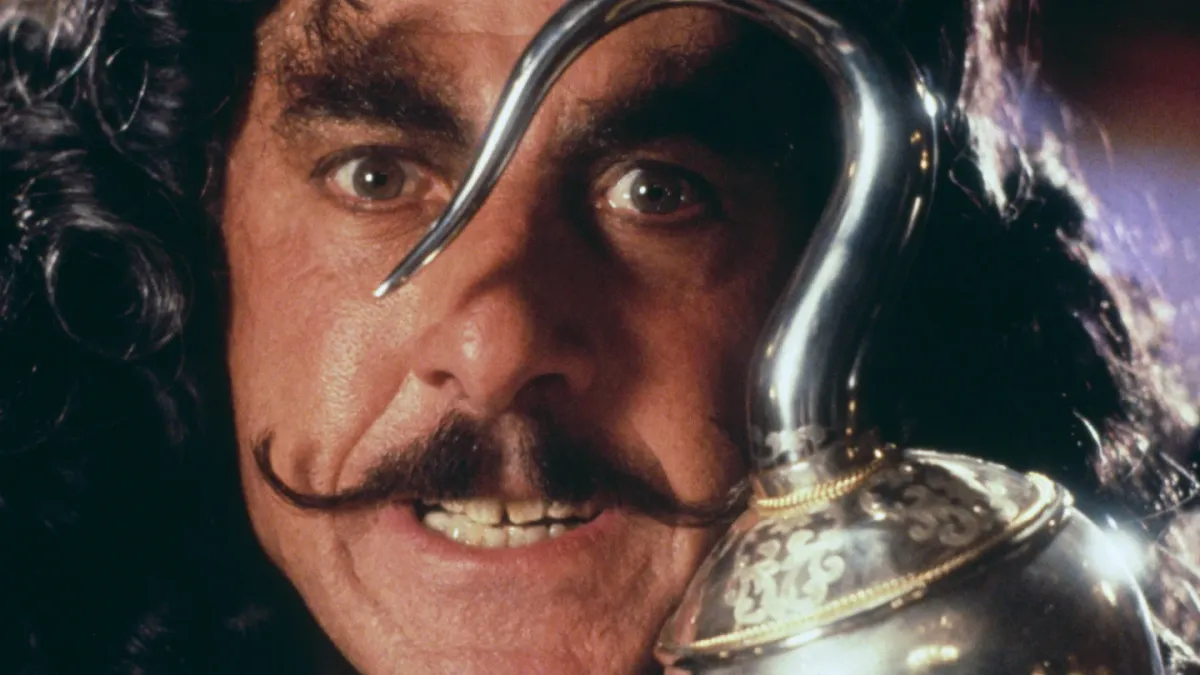
Dustin Hoffman's Captain Hook in Hook is a well-intentioned film's emotional anchor. Hoffman shaped the villain around insecurity, aging, and damaged ego—giving the character a psychological center that stands out even as the film around it falters. He made Hook human when everything else was tilting toward spectacle.
Jennifer Hudson's Effie White in Dreamgirls blended raw vocal power with genuine vulnerability. She cut through the film's schlock to deliver something real. The Academy noticed: she won the Oscar for Best Supporting Actress, a rare moment when the acting recognition matched the actual quality of the work.
These performances matter because they show what actors can do when they commit fully—not to saving a film, necessarily, but to making their character undeniable. The films may have stumbled around them, but these six actors gave us reasons to remember watching.