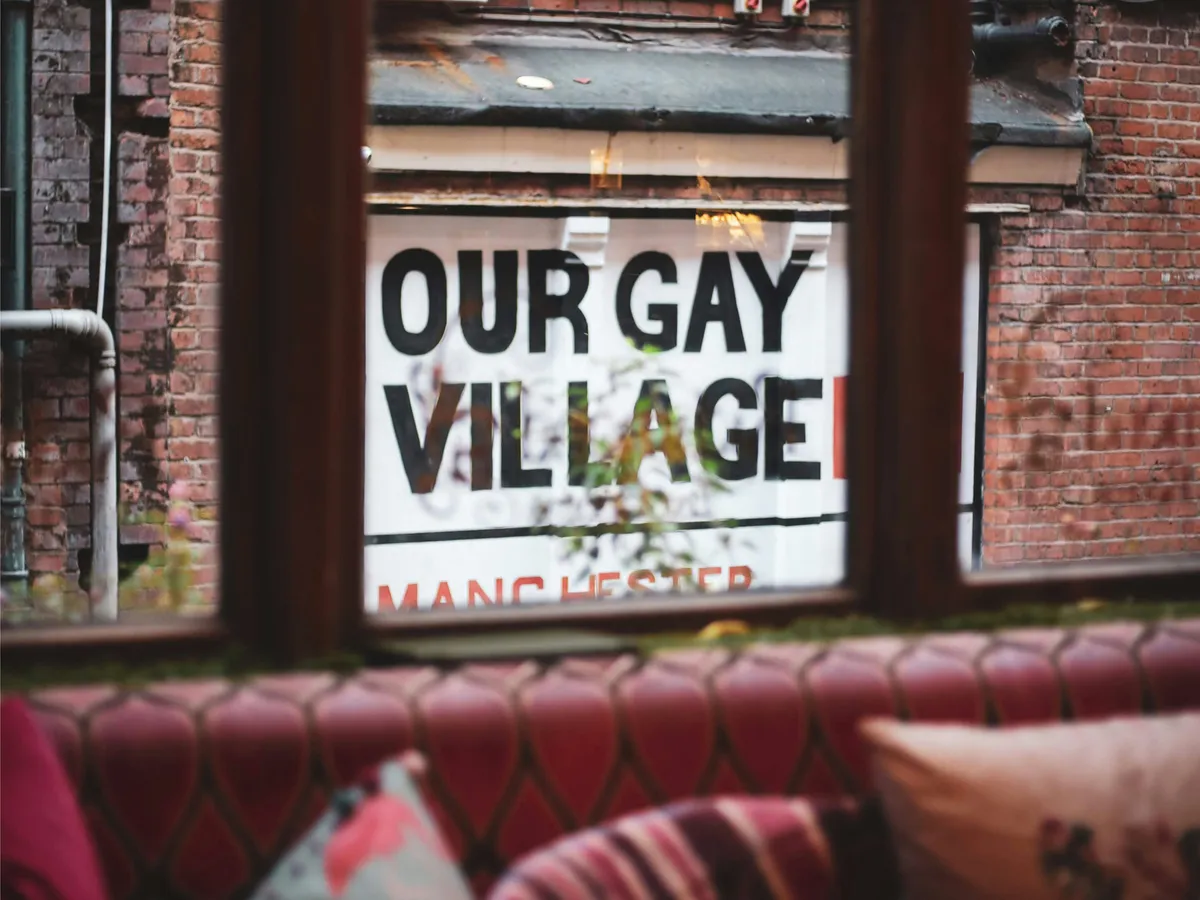
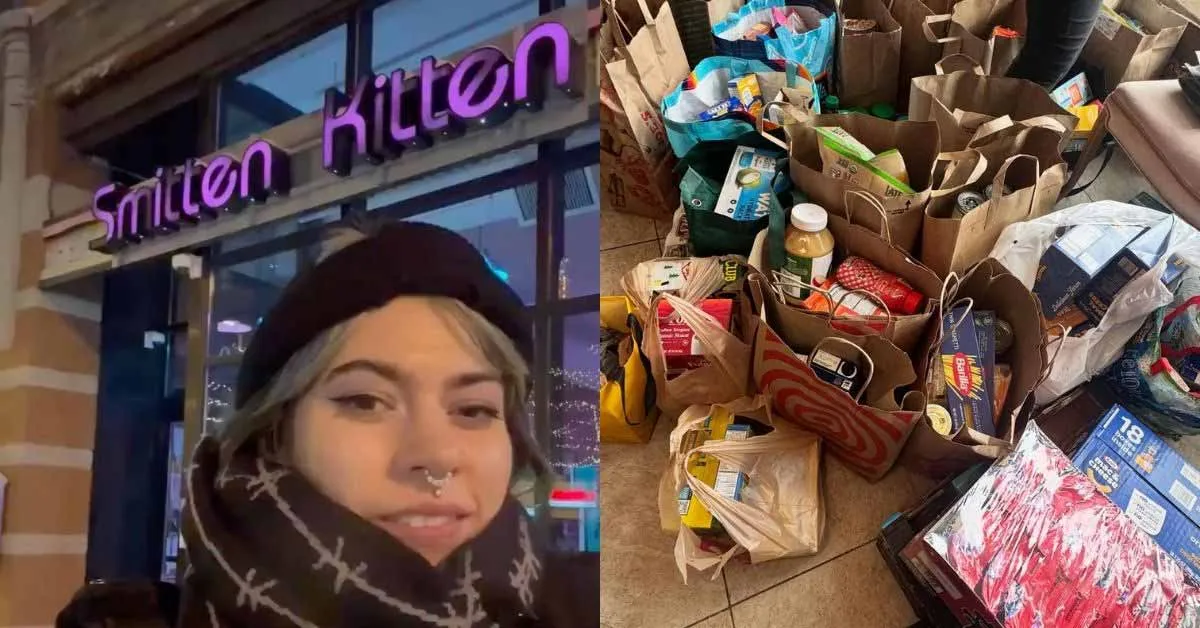
When Immigration and Customs Enforcement agents flooded into Minnesota, Smitten Kitten—a Minneapolis sex shop known for sex education and community openness—did what it does best: showed up for people who needed it.
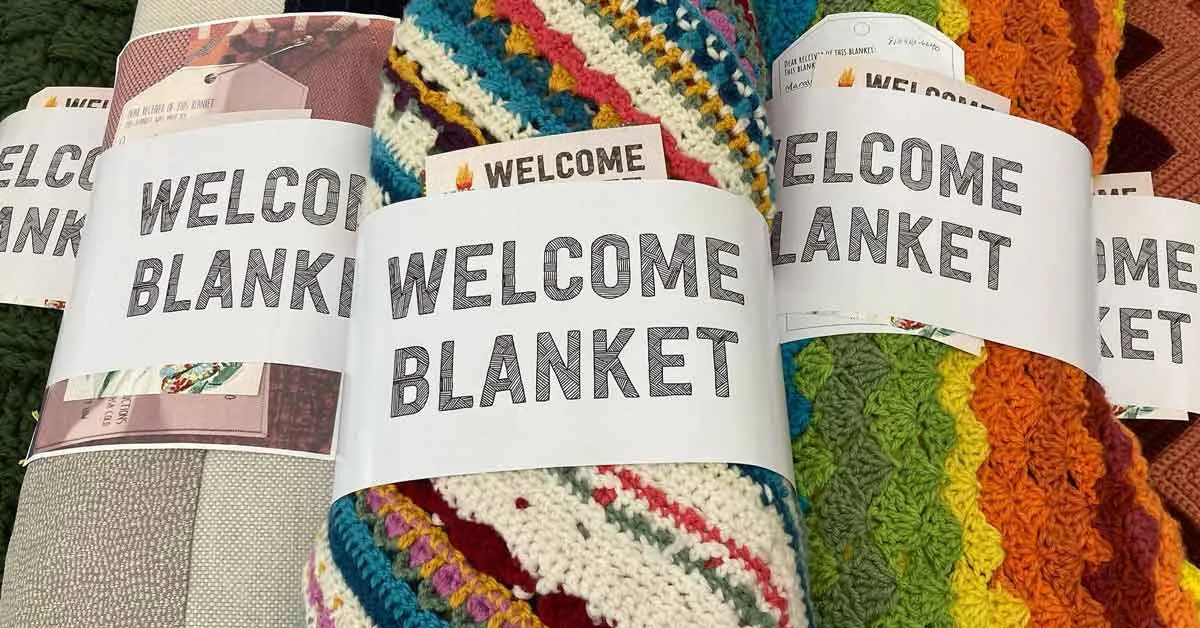
The shop's staff cleared shelves, hung donation signs, and started organizing canned food, diapers, and clothes in the same space where they normally sell adult toys. Volunteers began collecting funds and supplies for families too frightened to leave home or navigate closed schools. "We've been filling them up, a couple grand at a time," said Mikayla, a shop representative. "Trying to help people get their rent paid from not being able to work, get food in their refrigerator."
What started as one shop's response rippled outward. Smitten Kitten partnered with neighboring businesses like Wrecktangle Pizza to ensure people had access to food. Volunteers stationed themselves outside to watch for ICE presence, offering a kind of physical safety net for anyone coming in or out. The shop's Instagram became a resource hub, broadcasting donation links and connecting people to rent assistance.
We're a new kind of news feed.
Regular news is designed to drain you. We're a non-profit built to restore you. Every story we publish is scored for impact, progress, and hope.
Start Your News DetoxThe work caught the attention of online influencers like Jess Olivia Fox, who amplified the effort to wider audiences. But the real story wasn't the viral moment—it was the unglamorous daily work of a small business deciding that their space belonged to the community in crisis, not just to their customers.
This is what mutual aid looks like when institutions feel distant: neighbors using what they have—a storefront, a network, their willingness to show up—to keep other neighbors fed and housed. It's not a permanent solution to systemic enforcement, but it's what's possible when a community decides that coming together matters more than staying quiet.