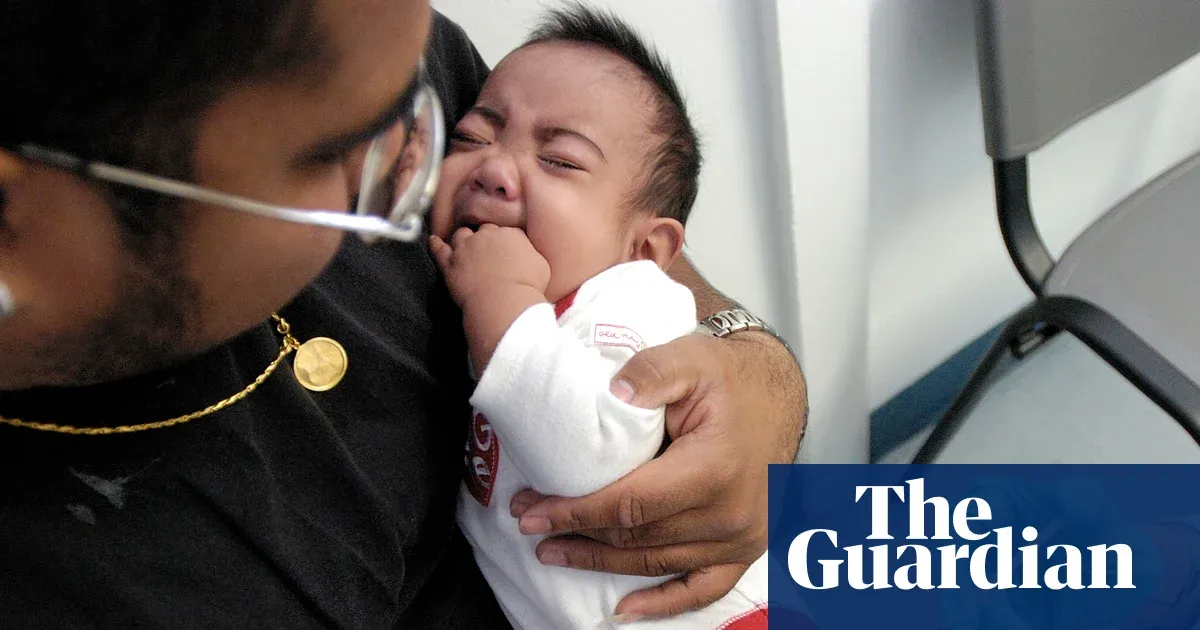
Hospitals used to overflow with babies gasping for breath during RSV season. Now, in the years since the vaccine arrived, pediatricians are watching that pattern disappear.
Four new studies published in JAMA confirm what doctors are seeing in real time: respiratory syncytial virus hospitalizations have plummeted among vaccinated infants. "It's easy to see in real life," says Richard Rupp, a pediatrics professor at the University of Texas Medical Branch who helped run the vaccine trials. "We can really tell that hospitalizations are down. It's made a big difference."
RSV is the leading reason children under five end up in hospital beds. Before 2023, when the vaccine was approved, between 2 and 3 percent of US babies were hospitalized with it each year. The virus can seem like a mild cold at first, then escalate within hours—a child suddenly fighting for every breath. It's also linked to developing asthma, a lifelong condition that can be serious.
We're a new kind of news feed.
Regular news is designed to drain you. We're a non-profit built to restore you. Every story we publish is scored for impact, progress, and hope.
Start Your News DetoxThe vaccine works. The shot given during pregnancy is 70 percent effective at preventing hospitalization. The infant dose is even stronger at 81 percent. One study found the infant vaccine also prevents hospitalization from other lower-respiratory infections, likely because RSV can leave babies vulnerable to secondary bacterial infections. Safety data from millions of doses rolled out since approval shows no known concerns.
The Restriction Problem
Yet this week, the Trump administration announced it would restrict RSV vaccination to only high-risk babies instead of recommending it for all infants. The decision, led by health secretary Robert F. Kennedy Jr., came as part of broader vaccine limitations.
The logic seems straightforward on the surface: target the most vulnerable. But 81 percent of babies hospitalized with RSV have no underlying health conditions. Being born is the risk factor. "All babies in the first few months of life are at high risk for RSV," says Kevin Ault, an obstetrician-gynecologist and former member of the vaccine advisory committee.
Restricting access during RSV season—when hospitalizations are already climbing—creates immediate chaos. Hospitals and clinics now scramble to figure out who qualifies as "high-risk" (the definition is unclear) and whether they should stock the vaccine at all. Insurance coverage becomes uncertain. Even for babies deemed eligible, supply chain fragmentation means the shot might not be available in practice, even if it's covered on paper.
For families without reliable access to healthcare or the money to navigate a fragmented system, the restriction hits hardest. "Those are the people who really will not be able to afford to have this for their children," Rupp said.
Experts were caught off guard. "I was surprised, because this sort of seems like an attack on monoclonal antibodies," Rupp said. The FDA has launched an investigation into safety despite no evidence of harm—the three deaths in clinical trials occurred months after vaccination and were unrelated to the shot.
Meanwhile, the UK, Australia, and Denmark recommend RSV vaccination during pregnancy for all women, then restrict infant shots to high-risk babies. They can do this because universal healthcare ensures regular doctor visits and vaccine access. The US system, fragmented and unequal, needs a different approach.
As RSV cases rise this season, the question isn't whether the vaccine works. The data is clear. It's whether access will match the evidence.