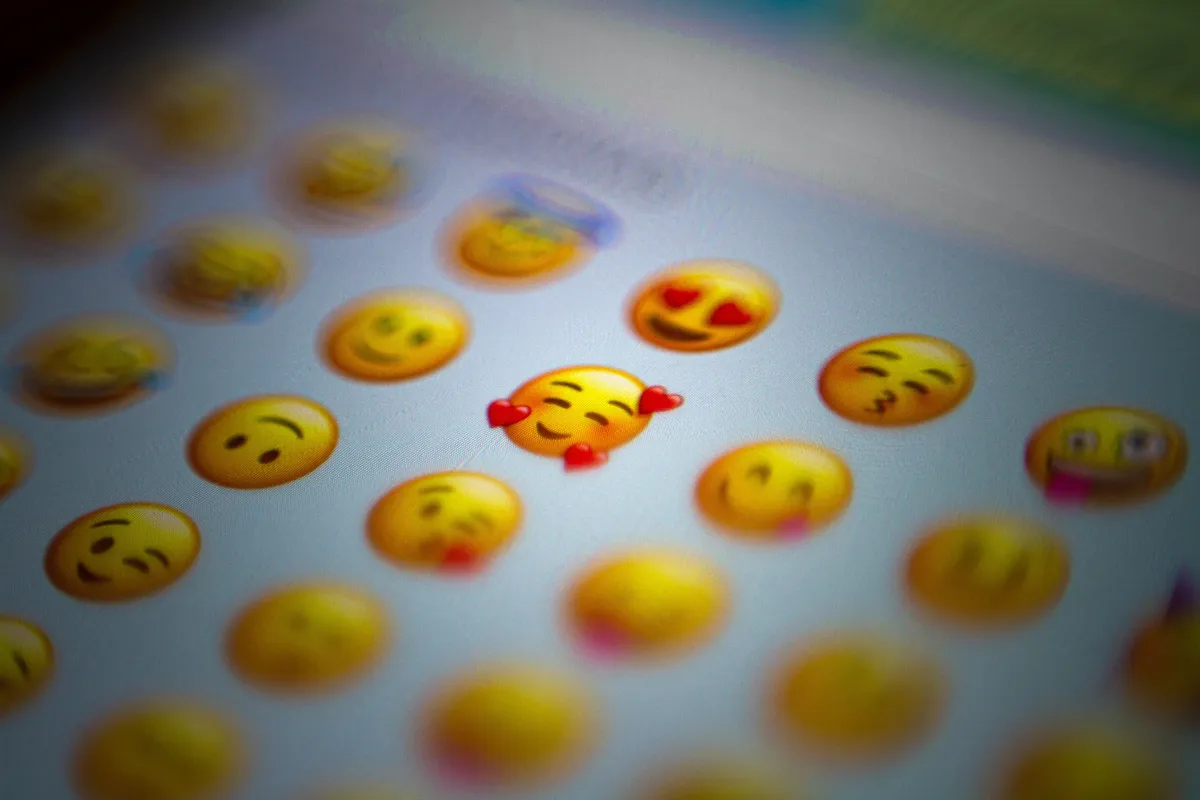
When you post a comment with a crying-laughing emoji, you're doing something a computer can now understand in surprising detail. Researchers have built a tool called NADE that sits between the text you write and the emotions you actually feel—and it uses emojis as the translator.
The problem NADE solves is real. Businesses spend enormous energy listening to social media, but traditional sentiment analysis is blunt. It tells you whether a comment is positive, negative, or neutral. That's it. It misses the texture—the difference between frustration and despair, between delight and relief. A customer saying "I've been waiting weeks for this" could be angry or just impatient. The emoji tells you which.
Here's how NADE works: It takes written text, predicts which emojis match it best, then uses those emojis to map onto eight well-established emotions like joy, sadness, anger, and fear (drawing from psychology research called Plutchik's wheel of emotions). The genius is that social media users are already doing the emotional labeling themselves—they choose emojis naturally. NADE just learns to read what they've already marked.
We're a new kind of news feed.
Regular news is designed to drain you. We're a non-profit built to restore you. Every story we publish is scored for impact, progress, and hope.
Start Your News DetoxWhere this actually matters
For companies, the applications are immediate. A customer service team using NADE can see in real-time that complaints about a new feature are sparking frustration rather than mild annoyance—and respond differently. Product teams can spot which features generate excitement versus anxiety. A social media crisis (say, a viral complaint) becomes visible before it explodes, not after.
Advertisers could use this to reach people in specific emotional states. Content creators—from TikTokers to Netflix—could finally see how their work lands emotionally, not just whether people liked it.
But there's something equally important happening for researchers. Commercial emotion-analysis tools exist, but they're expensive and often locked behind licensing fees. NADE is free. It has a straightforward interface that doesn't require you to be a programmer. It's been released in R and Python packages, meaning researchers anywhere—in universities with tight budgets, in smaller markets, in countries where expensive software isn't accessible—can now do sophisticated emotion analysis.
That's a genuine democratization. It removes a financial wall that kept advanced research out of reach for many institutions.
The study, published in the Journal of Marketing in 2025, is the first rigorous test of this approach. It's not revolutionary—it's the kind of incremental, practical innovation that tends to actually get used. Emojis aren't new. Emotion theory isn't new. The insight is that you can connect them in a way that makes both more useful.