In news that might make you snort into your morning coffee, archaeologists in the Netherlands recently unearthed a truly unique ancient Roman artifact. Where was this priceless piece of history hiding? In a forgotten storage box at the Valkhof Museum in Nijmegen. Because apparently, that's where we keep our ancient, um, treasures now.
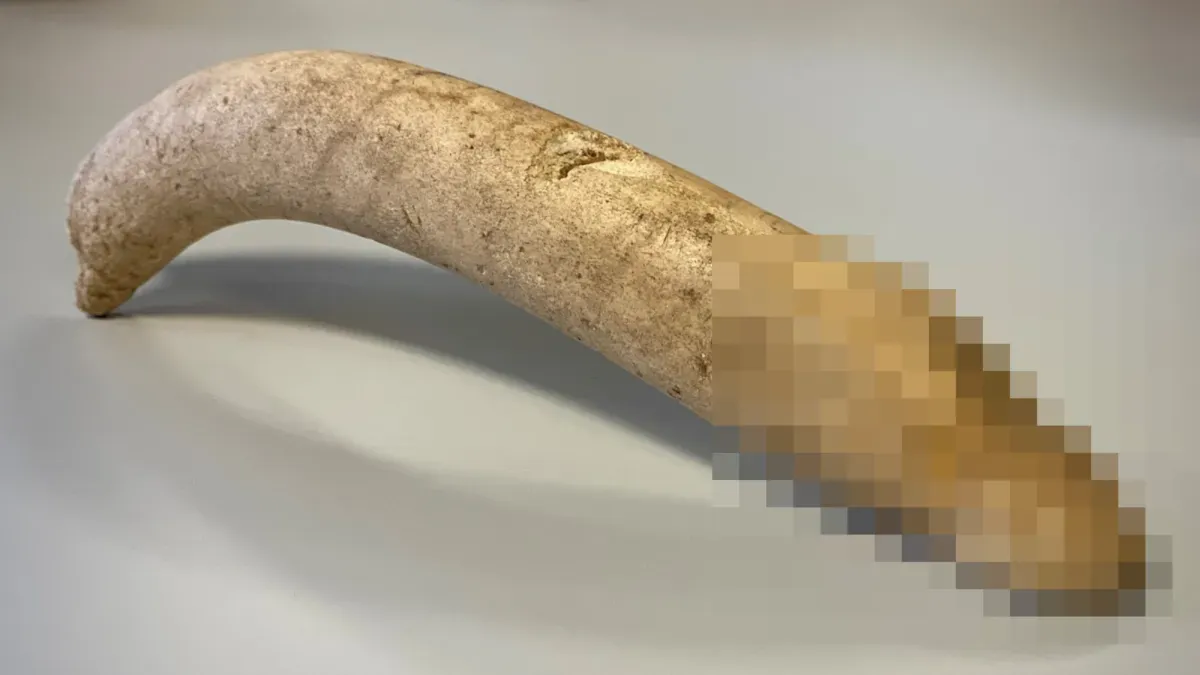
The item in question is a 7.8-inch-long penis, meticulously carved from bone. It's roughly 1,800 to 2,000 years old, a relic from the glory days of the Roman Empire. And yes, it's exactly what you think it is.
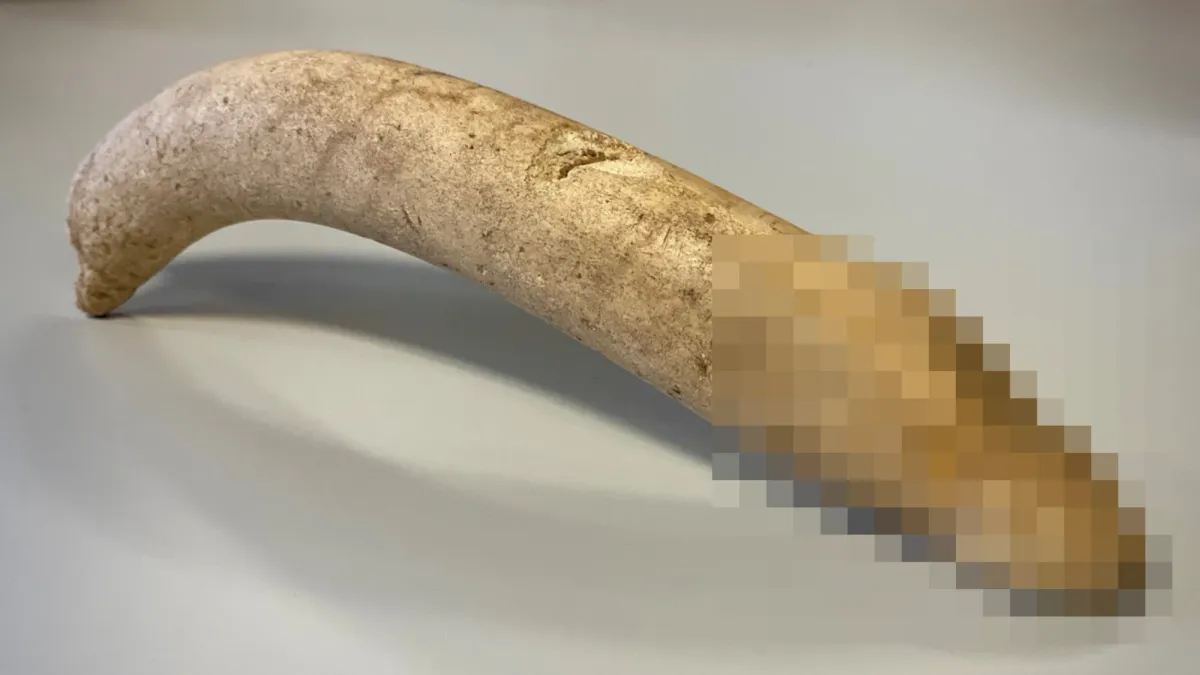
The Original Good Luck Charm
Now, before you giggle, the Romans were actually quite pragmatic about their phallic art. They saw penises as powerful symbols of protection, warding off the dreaded "Evil Eye." You'd find them everywhere: decorating homes, especially above entrances, and even dangling from jewelry. Think of it as the ultimate ancient good luck charm, but with significantly more anatomical detail.
We're a new kind of news feed.
Regular news is designed to drain you. We're a non-profit built to restore you. Every story we publish is scored for impact, progress, and hope.
Start Your News DetoxWhile stone and wood phalluses have popped up before, this bone sculpture is a first. Experts believe it likely came from an animal, perhaps a cow or a goat. Because, of course, a Roman artisan just needed any bone to express their artistic vision.
This particular piece spent decades in one of about 16,000 unopened storage containers at the museum. These boxes are essentially historical time capsules, packed with uncatalogued relics from various excavation projects, all waiting for their big reveal. Each one offers a fresh peek into Roman life in the province of Gelderland.
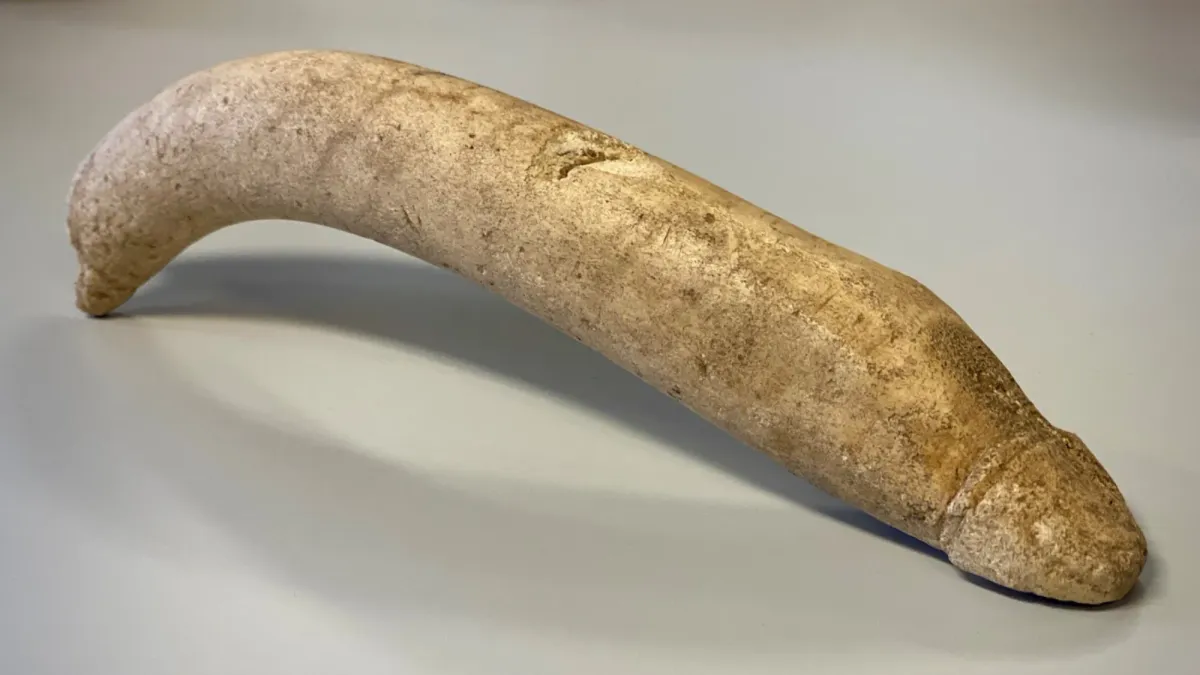
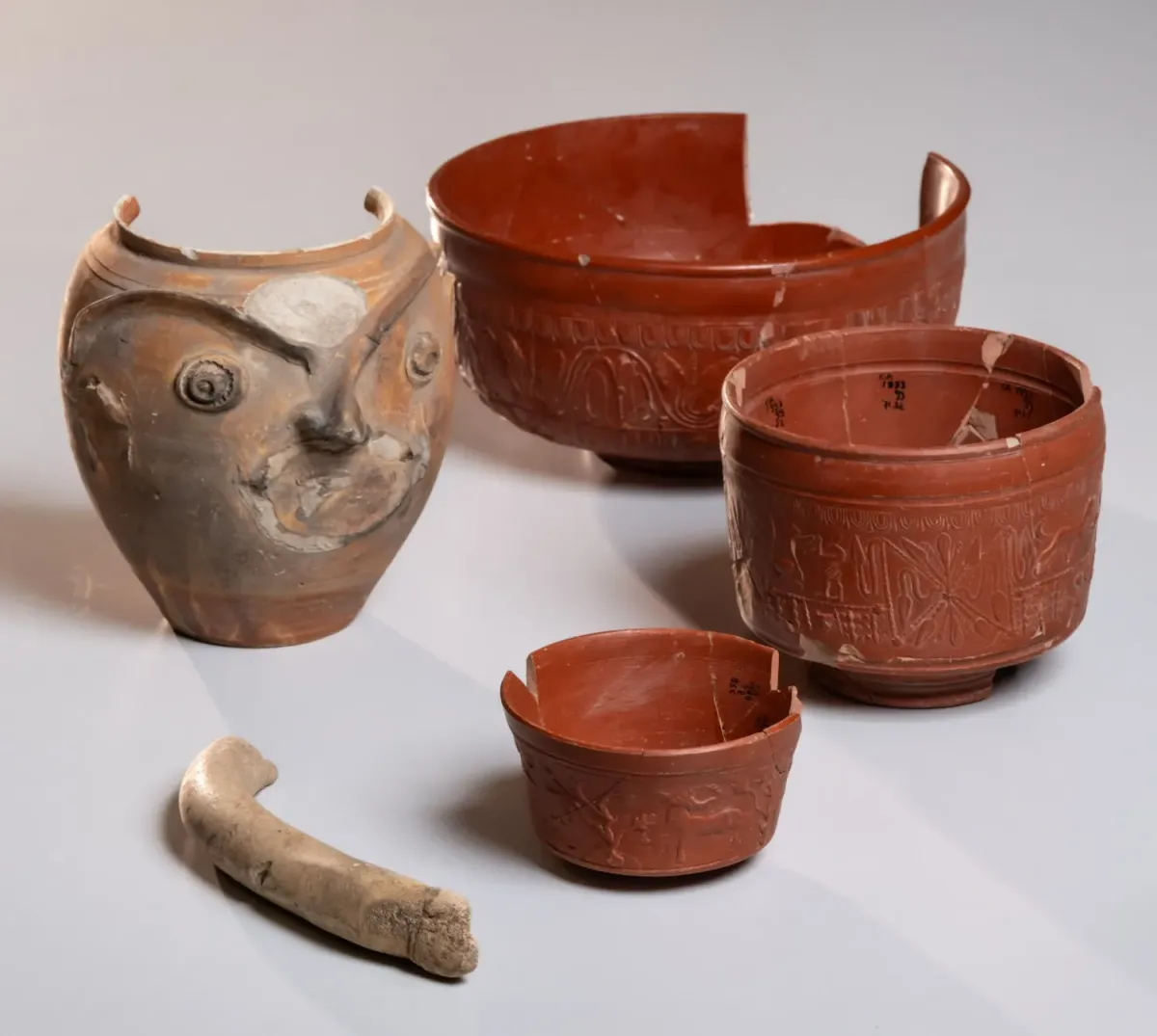
So far, only about 300 boxes have been cracked open. Among the other finds are a remarkably preserved "face beaker" (a drinking vessel that, yes, has a face) and various cups and bowls adorned with intricate woodland scenes. Because even the Romans enjoyed a good aesthetic.
Nijmegen, once known as Noviomagus, was a crucial administrative and military hub near the Roman Empire's northern border. The discoveries confirm that local populations were quick to adopt Roman traditions and art. And clearly, they weren't shy about it.
With thousands more boxes to explore, provincial archaeologist Ilse Schuuring has a hunch: "Romans had no shame around genitals." Which means, naturally, more phalluses might just be waiting to join their long-lost bone friend. Get ready for more bonerfide history.