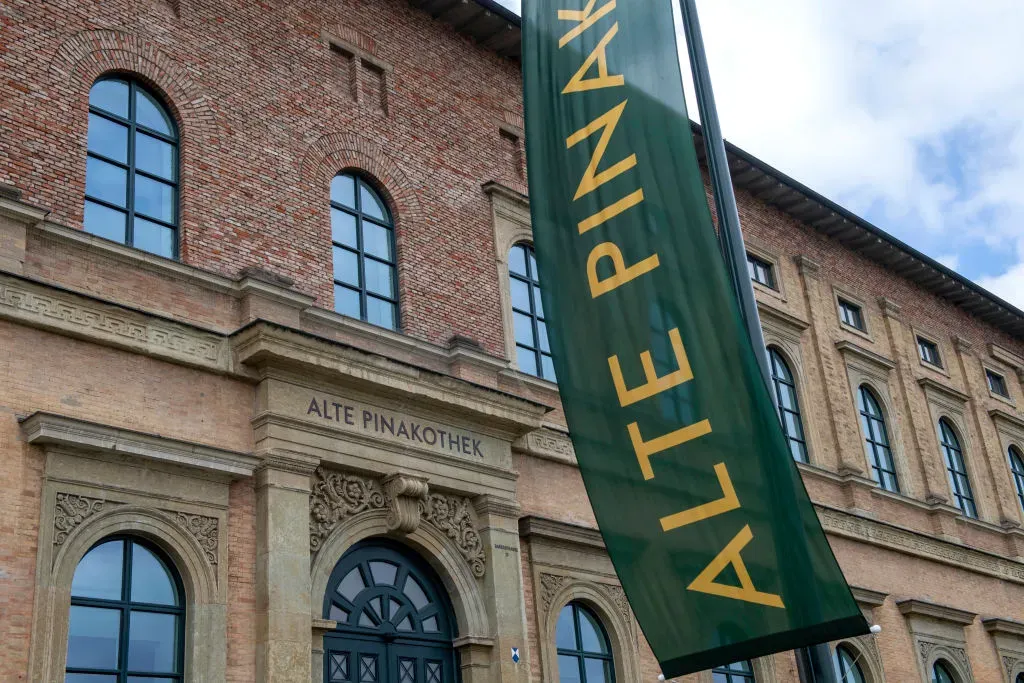
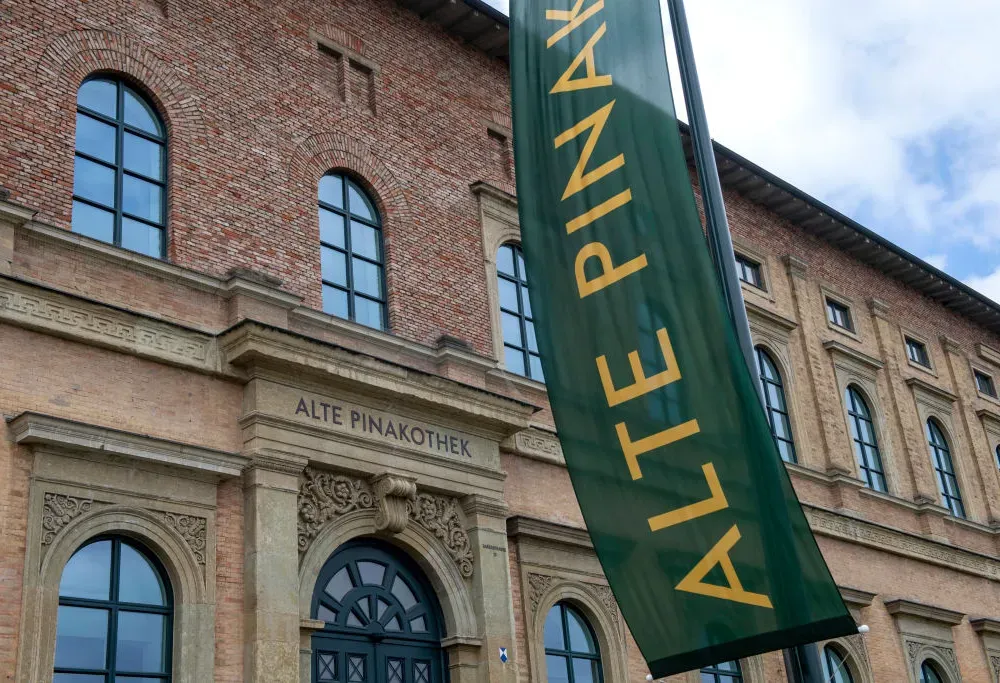
A painting by German-Jewish artist Lesser Ury, once forcibly sold under Nazi pressure, is finally heading home. The Pinakothek museums in Munich are returning "Interior with Children (The Siblings)" to the heirs of its original owner, a move that, frankly, has been a long time coming for Bavarian institutions.
Ury, an Impressionist known for his evocative scenes of Berlin and Bavaria, died in 1931. His work captured the city's pulse: rainy streets, bustling cafés, and the quiet intimacy of home life. Think moody, atmospheric, and deeply human.
The Short, Tragic Journey of a Painting
"Interior with Children (The Siblings)" belonged to Curt Goldschmidt, a prominent Berlin banker. But as the Nazi Party's economic policies tightened their chokehold, Goldschmidt's family bank collapsed. He and his family were forced to liquidate their assets, including Ury's painting, for a pittance.
We're a new kind of news feed.
Regular news is designed to drain you. We're a non-profit built to restore you. Every story we publish is scored for impact, progress, and hope.
Start Your News DetoxRecords suggest the painting fetched around 800 Reichsmarks, which translates to a measly $4,000 today. For context, other Ury Impressionist works have recently commanded between $40,000 and $100,000 at auction. Let that satisfying number sink in.
Goldschmidt, like so many others, fled to Paris in 1937, spending the rest of the German occupation in hiding before his death in 1947. As Bavaria's Minister of Art, Markus Blume, dryly observed, Goldschmidt's story is "like many other Jewish collectors" — stripped of fortune and art, only saving his life by fleeing.
The painting's exact path after the forced sale is a bit murky, but it resurfaced at a Cologne auction house in 1940, helpfully noted as being from "non-Aryan ownership." Because apparently that's where we were then.
The Bavarian State Painting Collections acquired the piece in 1972. Years later, institution director Anton Biebl called it an important example of Ury's work and a stark reminder of "the history of Jewish collectors and patrons in early modern Berlin." Under Biebl's direction, the institution has, commendably, been taking a much closer look at its collection's origins, with an eye toward restitution.
This return, Biebl added, "acknowledges the painting’s dual Jewish provenance – from its creator to its collectors and its loss as a result of Nazi persecution." A small, significant step in righting a very old wrong.