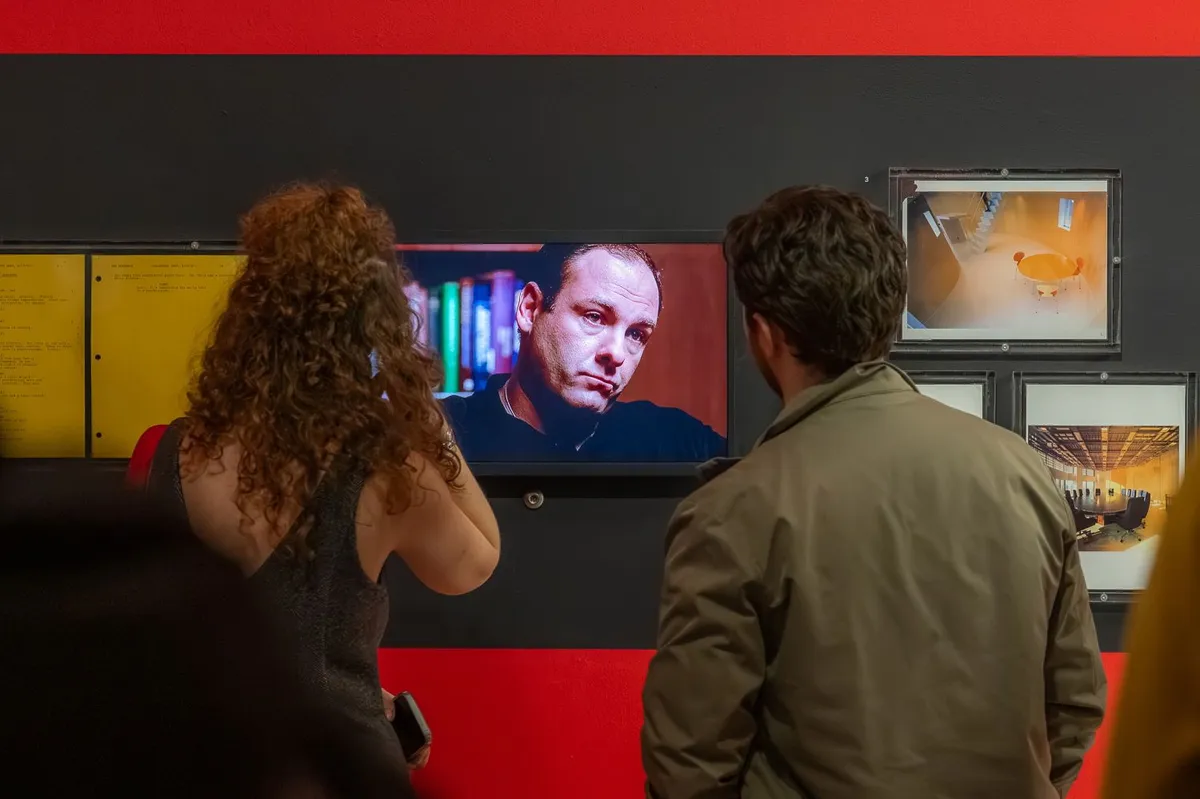
The pilot episode of "The Sopranos" first aired on January 10, 1999. The show won 21 Emmy awards over six seasons and changed television storytelling. Now, fans can explore how the HBO series was made.
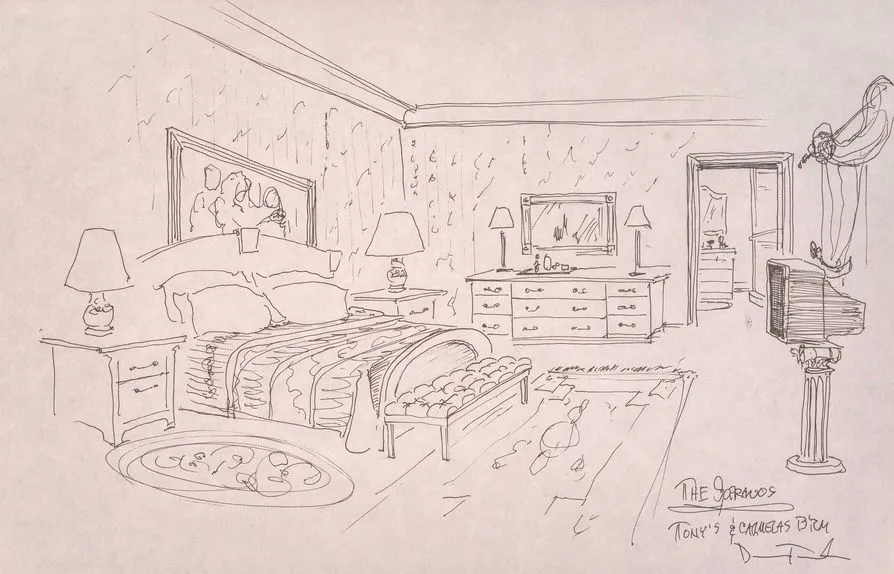
An exhibition called "Stories and Set Designs for ‘The Sopranos’" is open at the Museum of the Moving Image (MOMI) in New York. It features scripts, notes, and research from creator David Chase's personal collection. It also includes concept art and design sketches for important locations in the show.
Barbara Miller, the exhibition curator, told Artnet that combining design and writing materials helps show how a TV series moves from an idea to production. She noted it reveals the hard work involved, not just magic.
We're a new kind of news feed.
Regular news is designed to drain you. We're a non-profit built to restore you. Every story we publish is scored for impact, progress, and hope.
Start Your News DetoxInside the Sopranos' World
The show follows Tony Soprano, a mafia boss in New Jersey. It explores his life leading the mob and his family problems, often through his therapy sessions with Dr. Jennifer Melfi. Set in organized crime, the series looks at themes like morality, spirituality, and the American dream. Millions of viewers were drawn to it.
Miller told the New York Times that the show's focus on family and consumerism makes it relatable. She added that the mafia content is "so far from our own experience that it’s kind of thrilling."
Key locations in "The Sopranos" include Melfi’s office, Tony’s home, the Bada Bing strip club, and Satriale’s Pork Store. The exhibition displays detailed drawings of these places. For example, visitors can see the back room of Satriale’s, where Tony's crew often met.
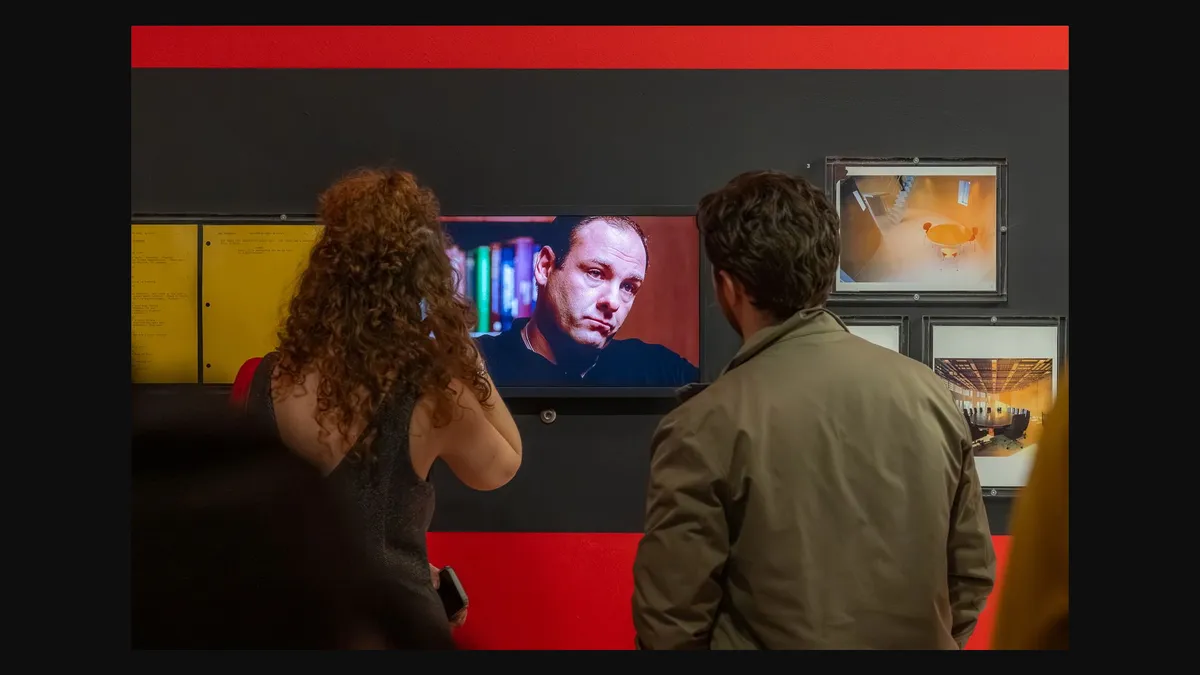
Designing sets for TV shows has unique challenges. Miller explained on WNYC’s "All of It" that unlike films, TV designers don't know how long a show will run. She said that sets for television are places where characters live for an unknown amount of time. This is why the exhibition focuses on the design of the pilot and first season. Once these sets were established, characters lived in them for years.
The exhibition also shows the research that shaped the show's plot. One display case contains typed summaries and newspaper clippings about real crime families. Artnet reported that visitors can see notes titled "Wiseguy Research" and a list of "Sopranos" characters with their mob roles. Miller noted that seeing David Chase's handwritten notes and how the show's "DNA" came together is truly magical.
MOMI also screened three episodes from the show’s third season, which senior curator Michael Koresky called "masterpiece territory." These screenings included talks with Chase and some cast members. Chase told the Times he is surprised "The Sopranos" is still popular. He thought it would be forgotten after it ended in 2007. He said he is glad he was wrong and that it was his best creative experience.
"Stories and Set Designs for ‘The Sopranos’" is on display at the Museum of the Moving Image in New York City until May 31, 2026.