Imagine seeing a famous photo of W.E.B. Du Bois and Mao Zedong, both looking happy and sharp. That image, a real snapshot of 20th-century Afro-Asian connections, sparked something wild: "The Great Camouflage" exhibition in Shanghai.
This show, co-curated by X Zhu-Nowell and Kandis Williams, started by looking at shared revolutionary moments and how cultures connected. The initial idea was all about racial capitalism and anti-imperialist movements. Heavy stuff, right?
But then the curators found something even more compelling. They kept unearthing women whose huge contributions in art and activism were totally overshadowed by their famous husbands. Think Shirley Du Bois, Eslanda Robeson, Amy Ashwood Garvey, Suzanne Césaire, and Grace Lee Boggs. So, the whole project shifted to shine a light on these women, focusing on Black feminist thought.
We're a new kind of news feed.
Regular news is designed to drain you. We're a non-profit built to restore you. Every story we publish is scored for impact, progress, and hope.
Start Your News DetoxThese women weren't just wives; they were forces. Shirley Du Bois and Amy Ashwood Garvey wrote plays. Eslanda Robeson was an actress. Suzanne Césaire and Grace Lee Boggs were writers. They didn't just debate big revolutionary ideas; they showed what it felt like to live through them.
Named after a text by Suzanne Césaire, "The Great Camouflage" isn't a dusty history lesson. It's packed with modern art that rethinks these revolutionary pasts, often from a feminist angle.
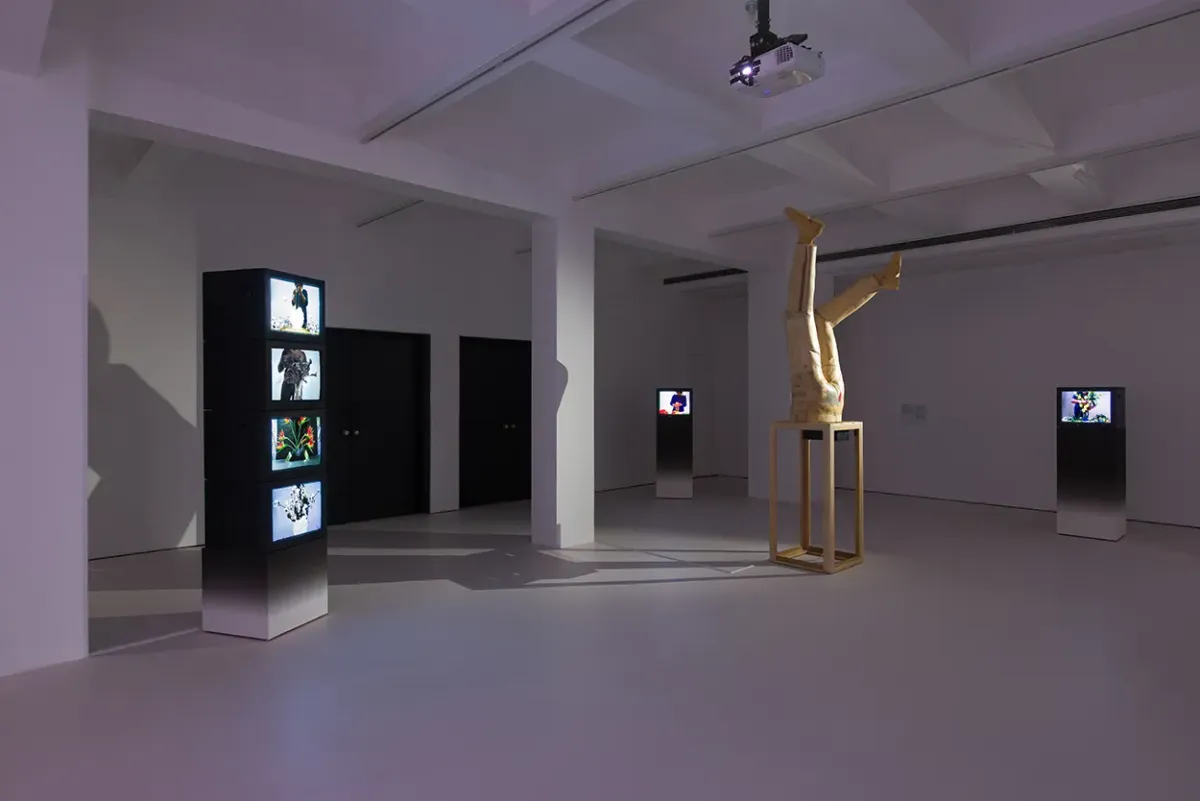
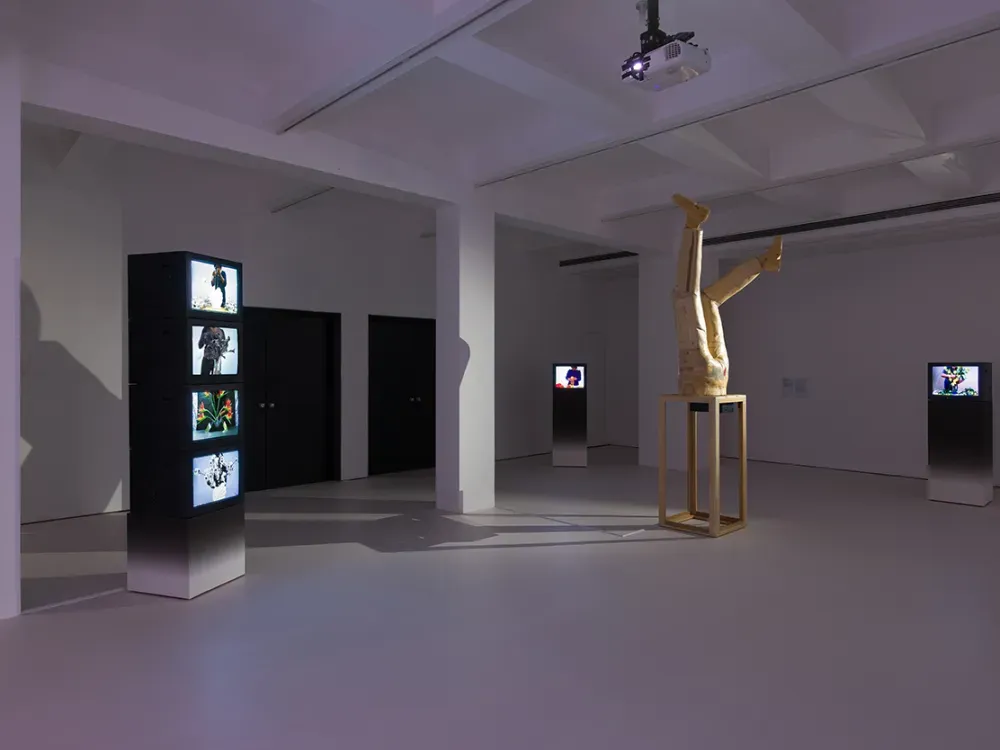
One piece, Pope.L's Du Bois Machine (2013), is pretty nuts. It's a sculpture of upside-down, flailing legs. Instead of a heroic figure, you hear a little girl's voice telling a strange, true story: Pope.L once got an envelope with hair, skin, and dirt supposedly from Dr. Martin Luther King Jr. It's a relic, but also… weird.
Upstairs, a video by Tuan Andrew Nguyen dives into feminist ideas by telling the story of Senegalese soldiers. French colonizers sent them to Vietnam in 1954. Vietnam was fighting for freedom, while Senegal was still under French rule. Some soldiers married Vietnamese women and had kids. The story shows how imperial powers both united people against a common enemy and tried to tear them apart.
The show unfolds as you climb the museum's five floors. The deeper ideas click into place with each level. You feel the art, like Pope.L's sculpture, before you even fully understand it. At the very top, a timeline lays out key moments in Afro-Asian revolutionary politics, making sure to highlight the women's roles.
One caption describes "kitchen politics" next to a photo of Jimmy Boggs, Grace Lee Boggs, and Ted Griffin chatting at a table. It's a reminder that revolution isn't just in speeches; it's in everyday life.
Onyeka Igwe's video installation tackles the show's big questions head-on: how do activism and art, thinking and feeling, or grand gestures versus daily care all balance out? The video shows a conversation around a table with characters inspired by real thinkers. One character, like Sylvia Wynter, argues a play can literally create a new world, while the men focus on dry policy. She pushes them to imagine what comes after independence.
Cauleen Smith's "Ikebana" series (2010–) asks a similar question: what is "after" in a revolution? These videos show the artist making flower arrangements to mark the deaths of many people she knew. It highlights the quiet, often invisible work of grieving and caring. Revolution can be furious, but Smith shows it can also be tender, or even joyful, like that initial photo of Mao and Du Bois.
Hao Jingban's work explores how revolution feels in your body. It follows a Chinese couple learning swing dance. They wonder if they can truly embody this dance, which started in Harlem as a working-class art, without its original context. Their clumsy rehearsals are shown next to old footage of masters, making you think about how culture and politics shape our movements.
Here’s the thing: an exhibition like this, with its deep dive into anti-capitalist ideas and revolutionary histories, would be incredibly difficult to stage in a U.S. museum right now. Wealthy influences often quiet these kinds of discussions. McCarthyism and the Cold War left real holes in America’s understanding of these complex histories. While many of the revolutions explored might not have ended perfectly, it’s hard to argue that our current systems are working perfectly either. This show doesn't tie everything up neatly, and that's the point. It offers an honest, moving look at revolutionary histories, their wins, and their setbacks.