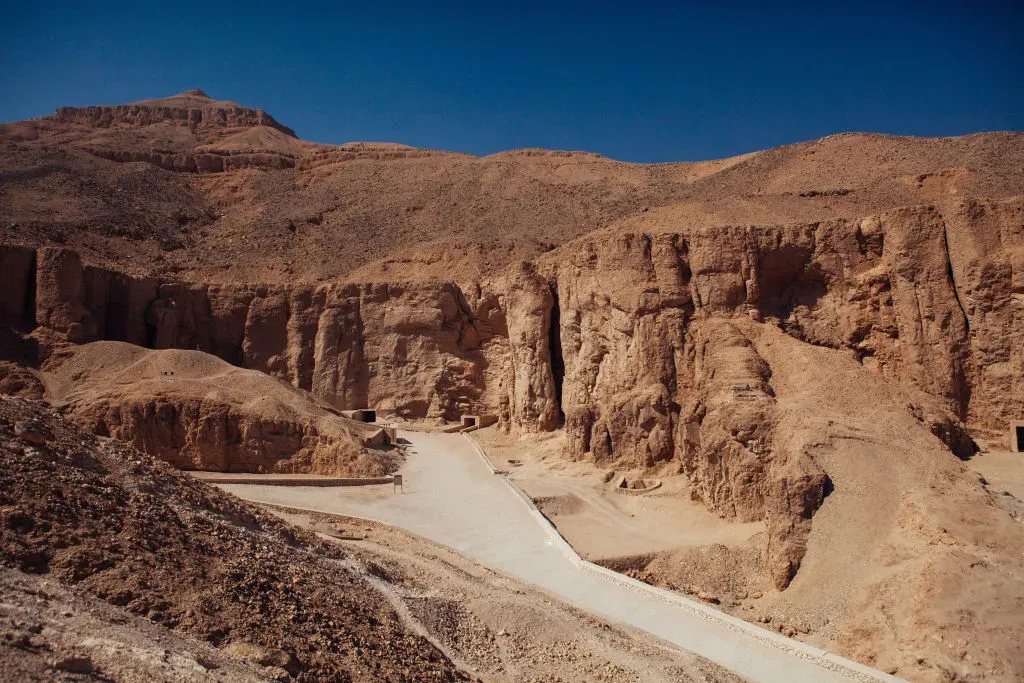
Turns out, people have been leaving their mark on famous landmarks for a very long time. New translations of 2,000-year-old graffiti in Egypt's Valley of the Kings reveal that ancient Indian travelers were among the first tourists to scratch their names into royal tombs.
Seriously. Researchers just cracked the code on writings found in six Egyptian tombs. These aren't just random scribbles; they're written in Old Tamil, Sanskrit, and Kharosti, dating back to the 1st to 3rd centuries CE. Think of it: long before Instagram, people were tagging their visits.
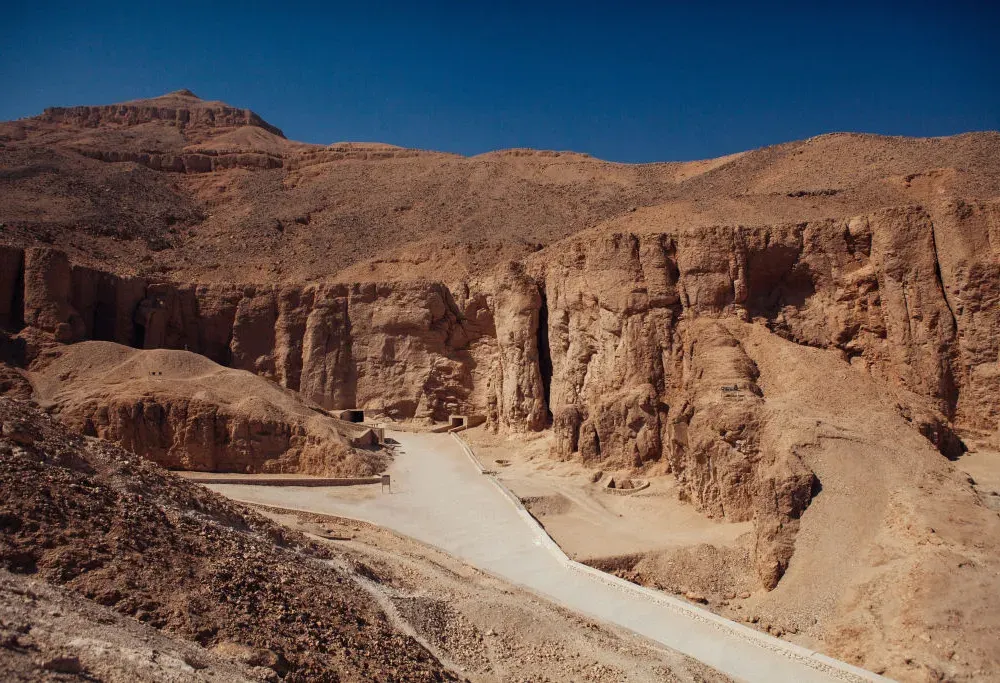
Archaeologists knew this graffiti existed since the 1800s, but it's only now that we can read what they actually said. One person, Cikai Korran, really wanted to be remembered. He wrote his name eight times across five different tombs in Old Tamil, often adding, "Cikai Korran came here and saw."
We're a new kind of news feed.
Regular news is designed to drain you. We're a non-profit built to restore you. Every story we publish is scored for impact, progress, and hope.
Start Your News DetoxPretty wild, right? A researcher named Charlotte Schmid thinks Korran was likely a chief or a merchant from Southern India. What's even stranger is that some of his writings are super high up on the tomb walls. How he got up there, nobody knows. "It's weird, to be frank," Schmid admitted.
This isn't just about someone's name. It shows a deep connection. Alexandra von Lieven, an Egyptology professor, points out that this graffiti proves ancient Indians weren't just passing through. They had a real, active interest in Egyptian culture. Imagine the journey they undertook, traveling thousands of miles, just to see these incredible sites and leave their personal mark for centuries to come.