Forget what you think you know about ancient European art. While Greece and Rome get all the glory, a new exhibit is pulling back the curtain on something totally different: "Celtic" art.
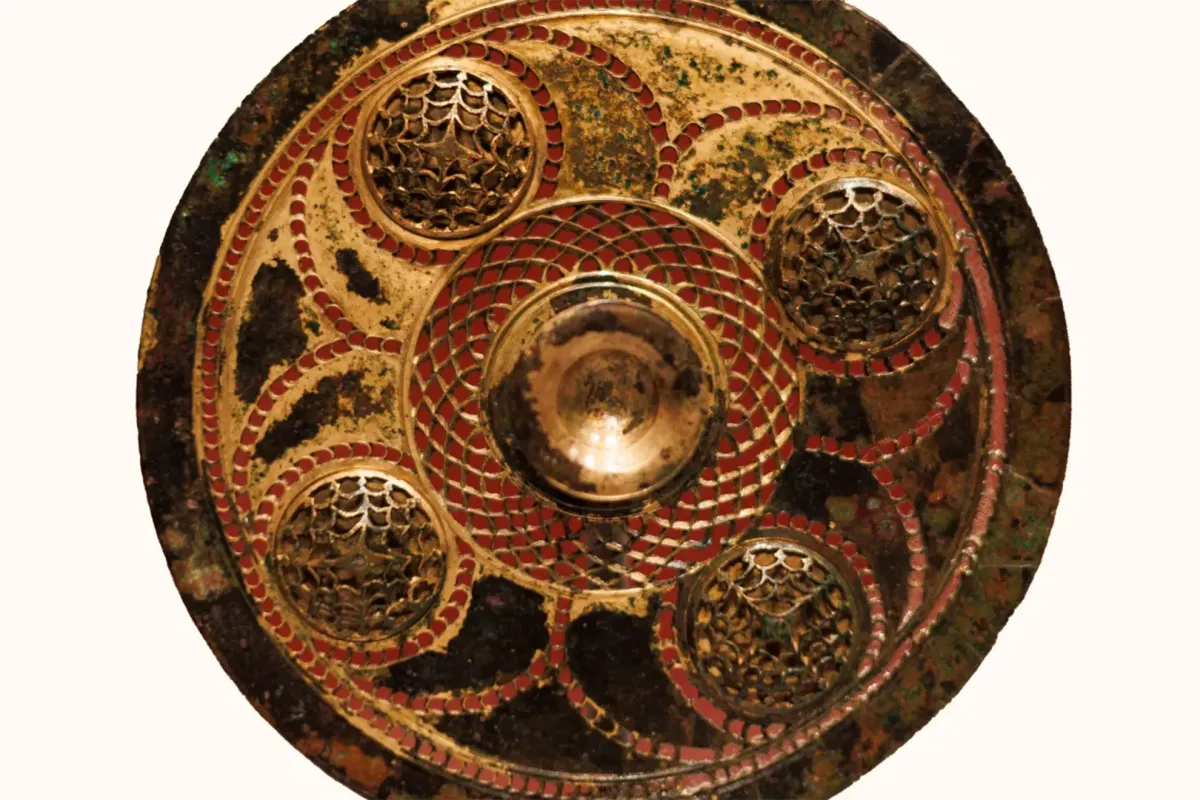
The Harvard Art Museums just launched "Celtic Art Across the Ages." It's packed with almost 300 objects from across Europe, showing off everything from Iron Age jewelry to wild early medieval church items.
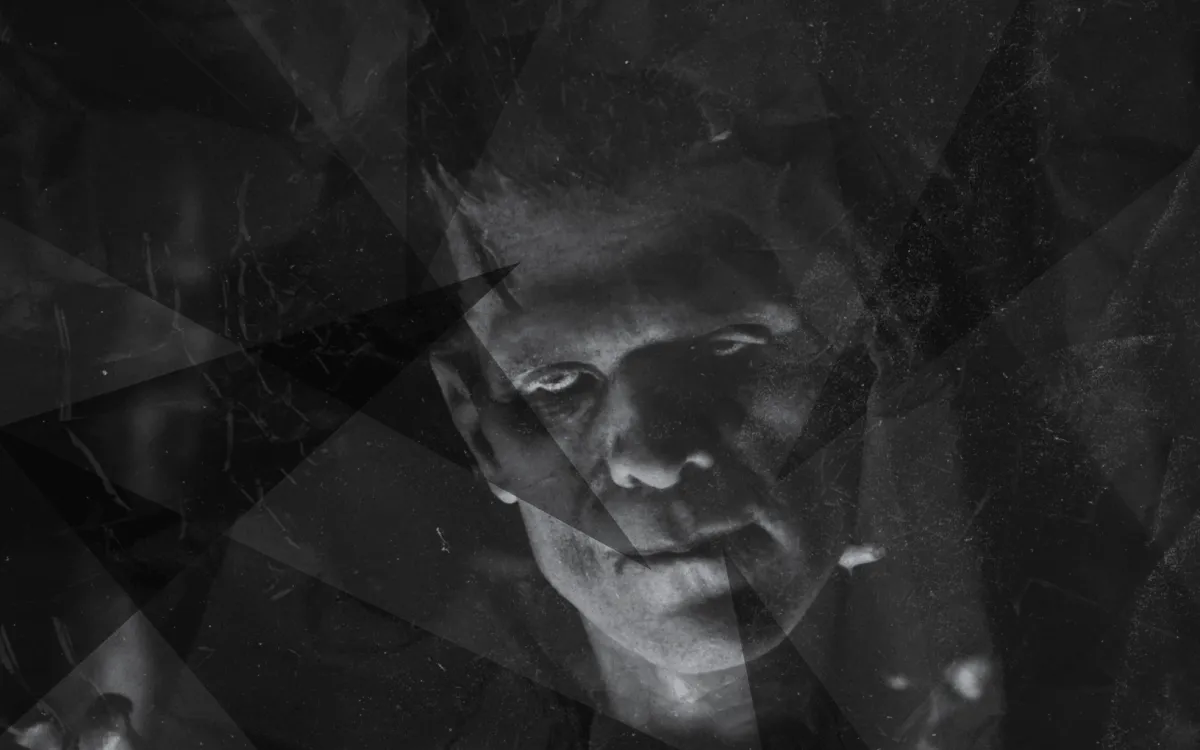
Here's the thing most people miss: The art we call "Celtic" is seriously cool. It's abstract, full of wild patterns, and some pieces feel incredibly modern. Take a sandstone head from Germany, found way back in 1893. It's not quite human, not quite animal, almost cartoon-like. It makes you wonder what kind of stories these ancient artists were trying to tell.
We're a new kind of news feed.
Regular news is designed to drain you. We're a non-profit built to restore you. Every story we publish is scored for impact, progress, and hope.
Start Your News DetoxRethinking Ancient Labels
Curators Susanne Ebbinghaus and Laure Marest noticed how much Western art history has focused on Greece and Rome. They wanted to shine a light on these other cultures. And what they found is pretty nuts.
For example, there's a bronze statue of the goddess Artio with a bear and a tree, discovered in Switzerland in 1832. Parts of it look like they were changed over time, hinting at how complex life was for these groups under Roman rule.

But here’s the kicker: most of the ancient people we call "Celts" probably never used that name themselves. They had their own names, their own traditions, and lived across a huge area. The term "Celtic" has been around for nearly 3,000 years, but it's been used in different ways, sometimes for political reasons.
Penny Coombe, another curator, wants visitors to think about what "Celtic" really means. What connects a pony cap – an ornamental hat with horns for a tiny horse – to a shield from the River Thames? It's all part of the same distinct British style, yet the label can feel too broad.
The exhibit forces you to look closer. It makes you question old ideas about history and who wrote it. Because when you do, you start to see things in totally new, unexpected ways. And that's pretty wild.