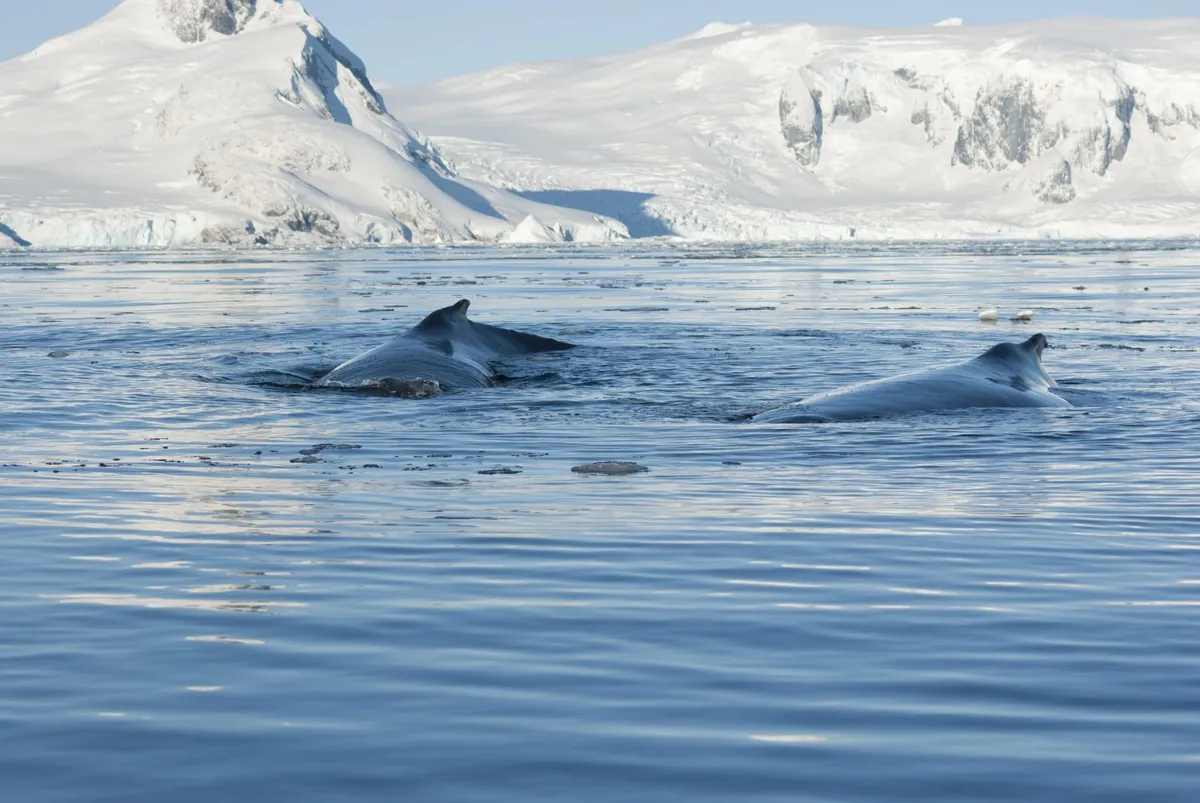
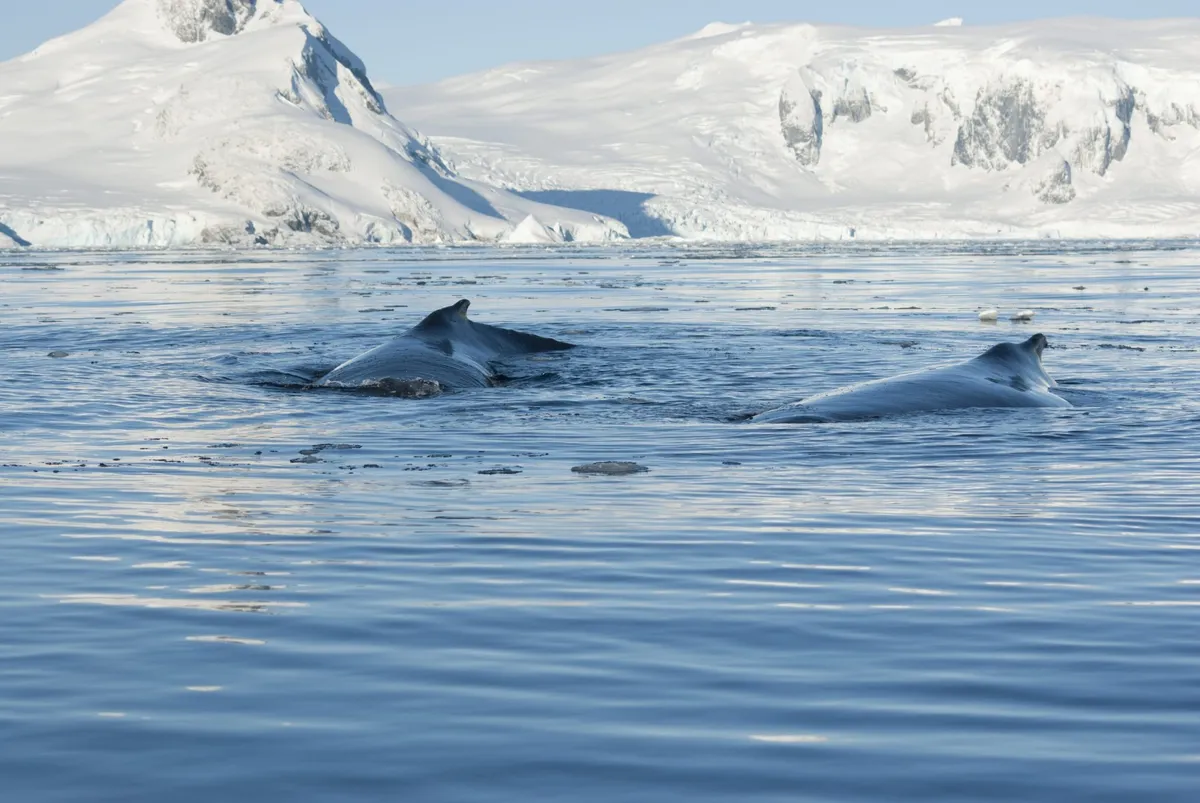
The Southern Ocean, once a graveyard for whales, is now seeing a comeback so dramatic it's making scientists gasp. Humpback whale numbers are almost back to pre-whaling levels, and it's happening much faster than anyone predicted.
Imagine this: researchers near the South Orkney Islands recently spotted over 100 feeding whales in a single day. They called it "remarkable and breathtaking," a scene straight out of early explorer logs from over a century ago. Apparently, the whales got the memo about the 1986 commercial whaling ban and decided to make a grand return.
The Whales Are Back, But So Is Dinner
Before the ban, a staggering 2 million whales were wiped out in these waters. Since then, populations have steadily recovered. Even the majestic blue whales, the largest animals on Earth, are slowly but surely bouncing back, albeit at a more leisurely pace.
We're a new kind of news feed.
Regular news is designed to drain you. We're a non-profit built to restore you. Every story we publish is scored for impact, progress, and hope.
Start Your News DetoxDr. Matt Savoca from Stanford was on a survey vessel, and he describes seeing groups of 100-plus whales almost daily when the weather cooperated. He noted that the sight of so many whale blows stretching from horizon to horizon was exactly what those first explorers documented. It's almost like they're saying, "We told you we'd be back."
But here's the catch: the same pristine waters that once lured whalers are now attracting a different kind of industry: krill trawlers. And the timing, as researchers politely put it, is "problematic."

These industrial behemoths, some weighing up to 3,000 metric tons, are operating in the exact same feeding grounds as the recovering whales. Their target? Antarctic krill, those tiny crustaceans that form the base of the entire Southern Ocean food web and are basically whale candy.
A New Kind of Predator
Whale researcher Ted Cheeseman points out that it’s not just about the amount of krill being removed. When whales eat krill, their waste acts like a natural fertilizer, returning vital nutrients to the water. These nutrients feed the phytoplankton, which in turn feed the krill. It's a beautifully balanced, albeit slightly gross, cycle.
But industrial trawlers process krill into supplements, pet food, and aquaculture feed, yanking those crucial nutrients out of the ocean entirely. Cheeseman, who co-founded Happy Whale, notes that a trawler can be 100 times larger than a humpback whale, essentially acting as a new, mechanical predator in the ecosystem.
The Commission for the Conservation of Antarctic Marine Living Resources (CCAMLR) is supposed to protect this delicate ecosystem, but they've been, shall we say, less than effective. China and Russia recently blocked an agreement to restrict krill fishing in sensitive areas, because apparently that's where we are now. Climate change isn't helping either, as warming waters already put pressure on krill populations.
So, with international agreements stalled, Savoca and Cheeseman have proposed a voluntary solution: a 30-kilometer (19-mile) buffer zone around the South Orkney Islands where krill fishing would be banned. Krill fishers have accepted similar zones around penguin colonies before, giving researchers a glimmer of hope.
Savoca believes this cooperative approach, involving NGOs, scientists, and the fishing industry, might just succeed where political bodies have failed. A voluntary zone could buy precious time for the whales, allowing their spectacular recovery to continue while the grown-ups figure things out. Without it, this incredible comeback might just hit a very tiny, very numerous, krill-shaped wall.