A new study suggests that anxiety about getting older isn't just a mental burden—it may actually accelerate aging at the cellular level.
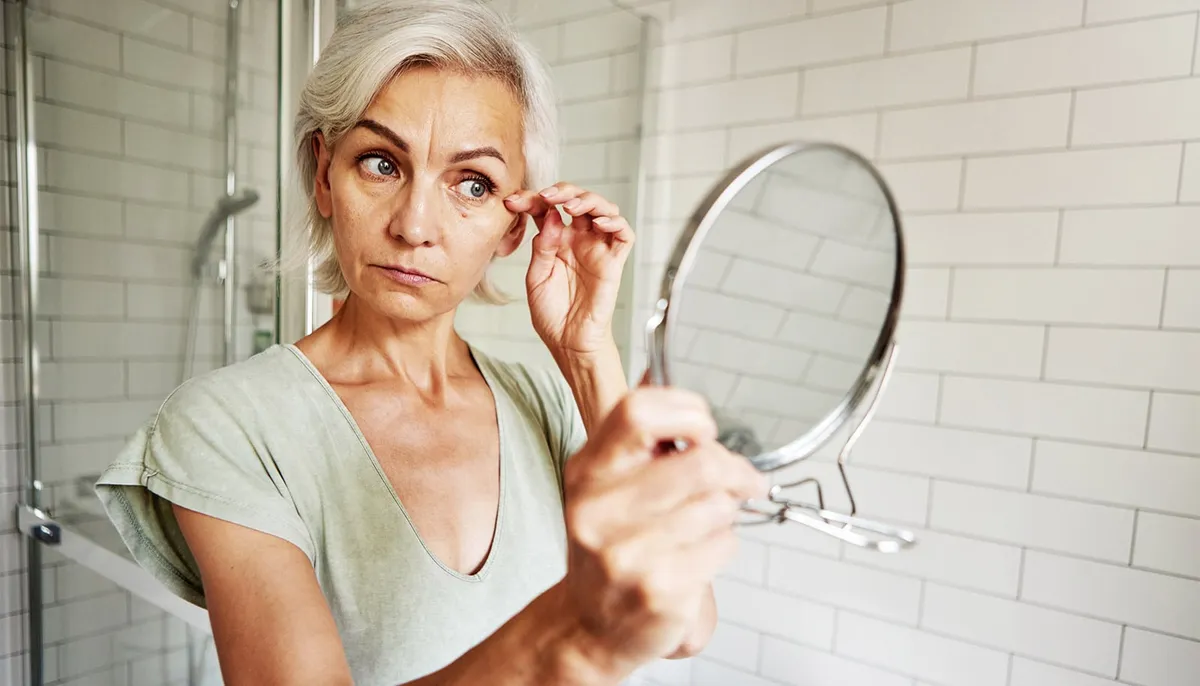
Researchers at New York University analyzed data from 726 midlife women, asking them about specific aging fears: losing attractiveness, developing health problems, or becoming too old to have children. They then measured biological aging using two epigenetic clocks, which track how genes are expressed and accumulate damage over time.
Women who reported greater anxiety about aging showed measurable increases in epigenetic aging. The strongest link appeared with health-related worries—concerns about physical decline and illness—while fears about appearance or fertility showed weaker connections. This makes sense: health anxiety tends to be persistent, while worries about beauty or reproduction often naturally fade as women age.
We're a new kind of news feed.
Regular news is designed to drain you. We're a non-profit built to restore you. Every story we publish is scored for impact, progress, and hope.
Start Your News DetoxHow worry becomes biology
The mechanism isn't mysterious. Psychological stress triggers epigenetic changes—shifts in how genes turn on and off—which can accelerate the biological aging process. "Aging-related anxiety is not merely a psychological concern, but may leave a mark on the body with real health consequences," says Mariana Rodrigues, the study's lead author.
Women face particular pressure here. Cultural messaging around youth and beauty, combined with real concerns about declining fertility, creates a distinctive anxiety landscape. Add caregiving responsibilities—many midlife women support aging parents while managing their own lives—and the worry can feel relentless. Watching parents decline naturally raises fears about one's own future.
But here's the important caveat: this study captures a moment in time. Researchers can't yet prove that anxiety directly causes accelerated aging, or whether people cope with anxiety through harmful behaviors (poor sleep, smoking, less exercise) that then drive the biological changes. More longitudinal research is needed to untangle cause from correlation.
"Aging is a universal experience," Rodrigues notes. "We need to start a discourse about how we as a society—through our norms, structural factors, and interpersonal relationships—address the challenges of aging."
The finding does suggest something actionable: aging anxiety isn't just an emotional issue to dismiss. It's a measurable health factor worth addressing—through better mental health support, cultural shifts around aging, and honest conversations about what getting older actually means.