Art Basel has opened in Doha this week, and the timing matters more than a typical fair opening. Qatar's National Museum is turning 50, the Museum of Islamic Art just hit 15 years, and the country itself reached a threshold moment — 1970 was the year both Art Basel launched in Switzerland and Qatar gained independence. These threads converging isn't coincidence. It's a signal about where this small Gulf nation sees itself heading.
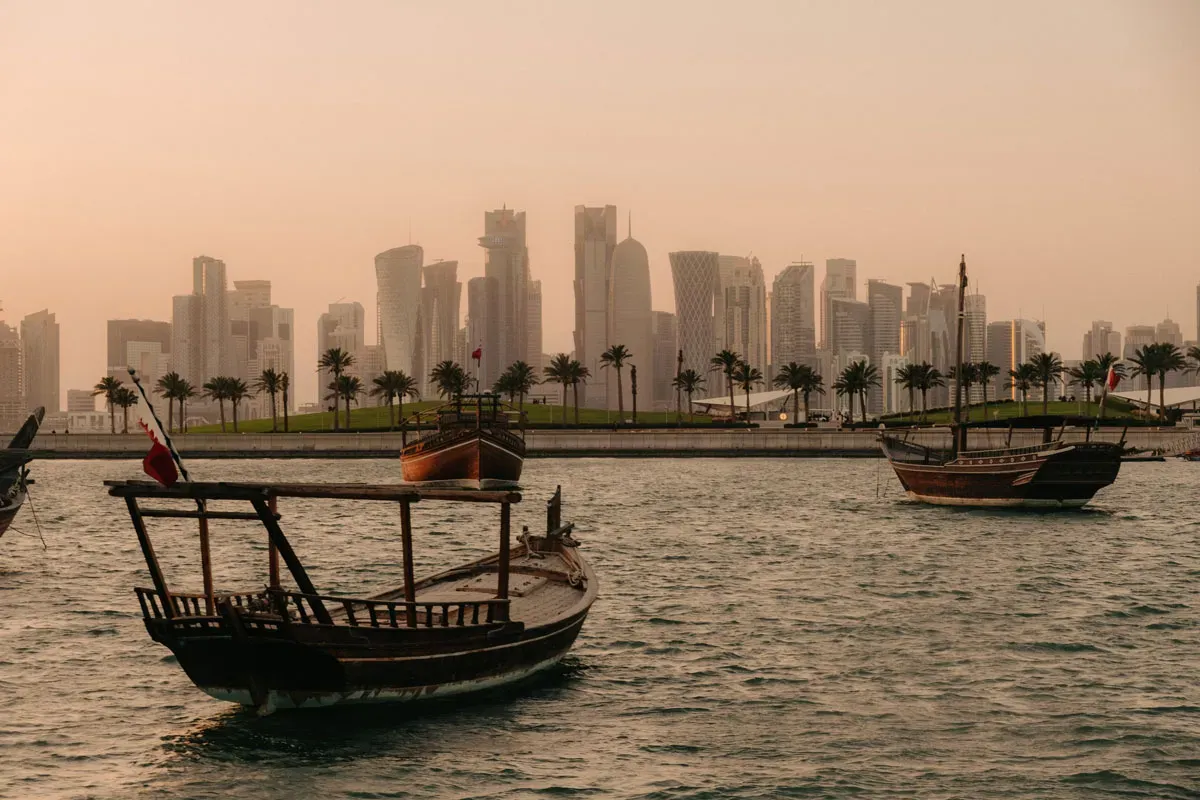
Qatar's approach to building its cultural infrastructure tells you something about how it thinks. In the 1990s, the government held an architectural competition for the Museum of Islamic Art, but when the winning design came back, the emir wasn't satisfied. So they did something unusual: they convinced I.M. Pei, the legendary architect, to come out of retirement. Pei's condition was specific — he wanted an island. He could see Doha was about to explode with growth, and he wanted the building to have breathing room. The result is now Doha's most recognizable landmark, a building that somehow feels both rooted in Islamic tradition and unmistakably contemporary. It's a small example of a larger pattern: bring in the world's best, but don't let that override what you actually want to say.

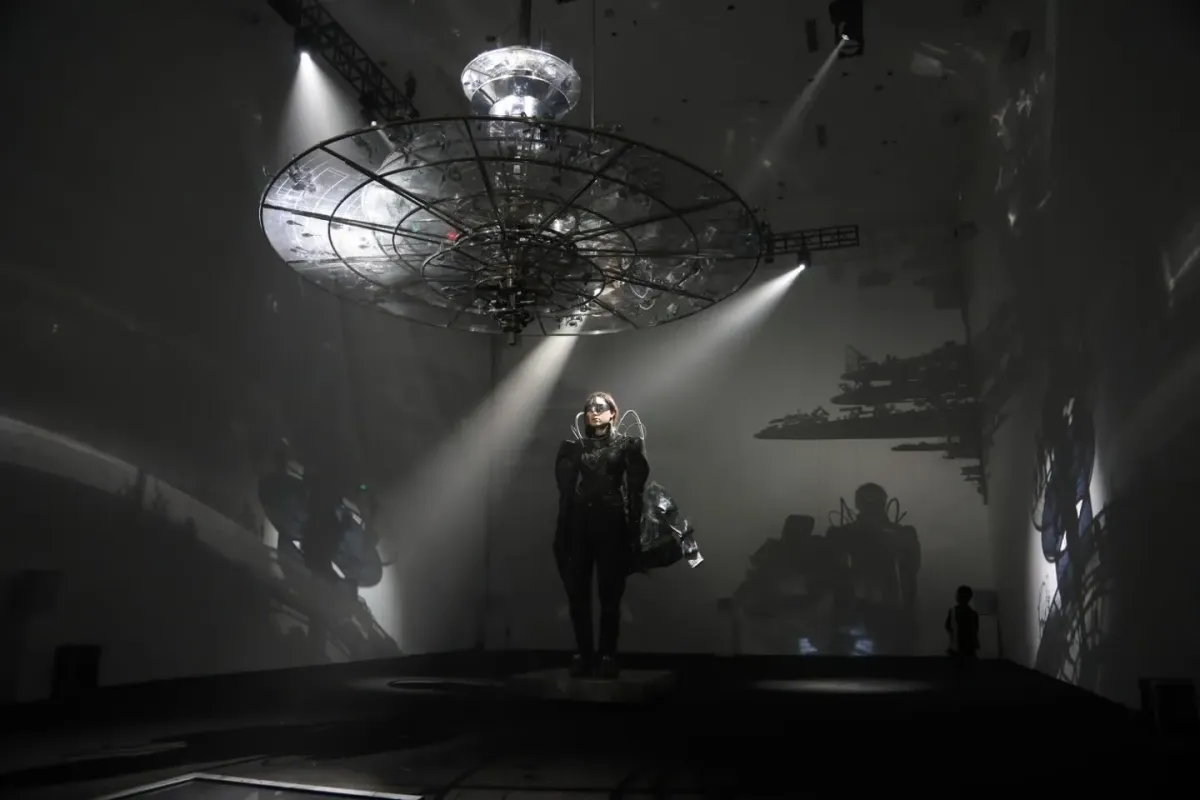
That philosophy shapes how Art Basel Qatar is operating. Unlike the sprawling Swiss flagship with hundreds of exhibitors, this version is intentionally smaller and slower. Artist Wael Shawky is directing the fair with a specific mandate: give visitors space to actually look at things. "Place each artist's practice in context," he's said. "Go slower and go deeper." That's a deliberate choice in a world that usually does the opposite.
We're a new kind of news feed.
Regular news is designed to drain you. We're a non-profit built to restore you. Every story we publish is scored for impact, progress, and hope.
Start Your News DetoxThe fair is spread across the M7 building, the Design District, and surrounding venues in the Msheireb district — not concentrated in one massive hall. This week, Art Basel is one of roughly five major international conferences and events happening in Qatar simultaneously. It's part of a broader cultural calendar that's clearly been years in the making.
Sheikha Al Mayassa bint Hamad bin Khalifa Al Thani, who chairs Qatar Museums, announced something that suggests this is just the beginning. A new museum called 366 Lusail is opening in 2029, and Art Basel Qatar will expand into that space. So this fair isn't a one-off moment — it's positioned as the start of something longer.
What's interesting about Qatar's cultural investment isn't that it's spending money (many places do that). It's that it's being deliberate about blending outside expertise with local vision, about building slowly enough to build well. A 50-year-old national museum, a 15-year-old Islamic art museum that's become iconic, and now an art fair that's choosing depth over scale. That's not the trajectory of a place checking boxes. It's the trajectory of a place that's thought about what it actually wants to say.