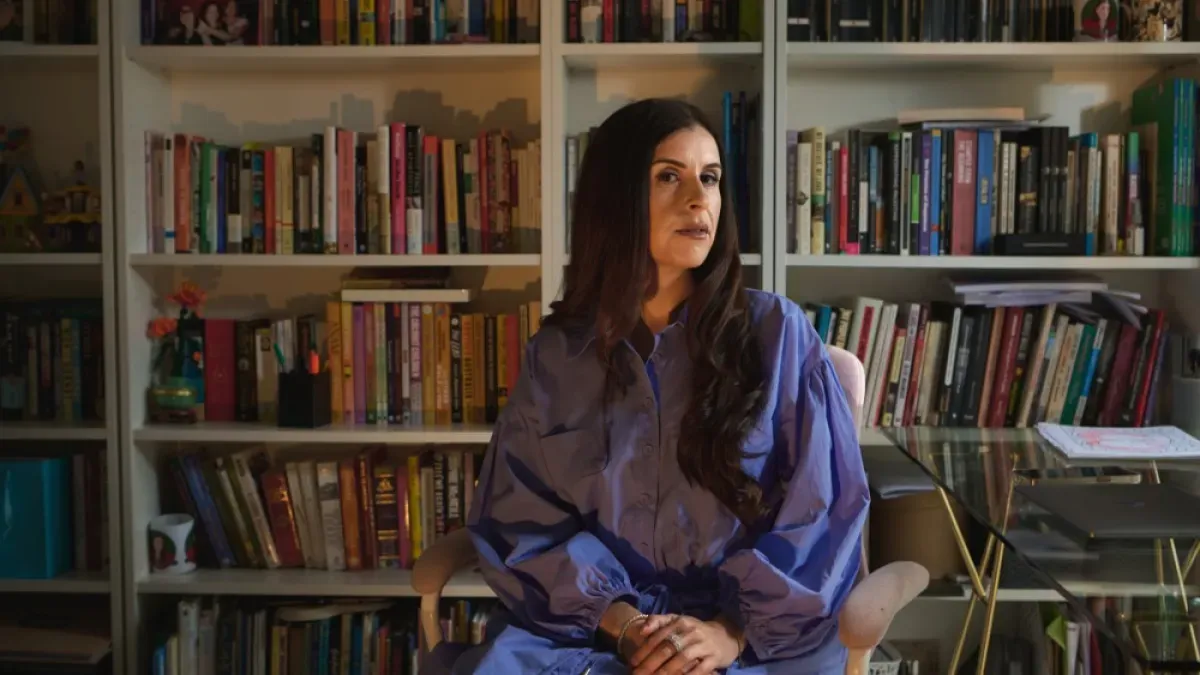
When Adelaide Festival uninvited Palestinian-Australian author Randa Abdel-Fattah from its writers' week, it expected to move on quietly. Instead, 180 writers simply walked away.
The boycott forced a reckoning. This week, the festival's board reversed course entirely, apologizing "unreservedly for the harm" caused to Abdel-Fattah and reinstating her invitation to speak in 2027. The director who resigned in protest over her exclusion, Louise Adler, may also be reinstated—though Abdel-Fattah has made that a condition of her acceptance.
"Intellectual and artistic freedom is a powerful human right," the board acknowledged in its statement, admitting it had fallen "well short" of upholding that principle.
We're a new kind of news feed.
Regular news is designed to drain you. We're a non-profit built to restore you. Every story we publish is scored for impact, progress, and hope.
Start Your News DetoxWhat happened
Abdel-Fattah, who has written 11 novels and won multiple literary awards, was initially excluded from the festival in the aftermath of the Bondi Beach attack in December, which killed 15 people. The board framed the decision as necessary to protect "freedom of expression in our nation"—a framing that struck many as contradictory when applied to silencing a writer.
Adler, the festival's director and herself Jewish, resigned in protest, arguing that "protests are being outlawed, free speech is being constrained and politicians are rushing through processes to ban phrases and slogans." Her departure signaled that the exclusion wasn't a neutral administrative choice but a contested one even within the institution.
The scale of the response was striking. At least 180 authors—a mix of prominent international names and Australian voices—withdrew from the program. That kind of unified action is rare in literary circles, where individual schedules and career calculations usually win out. But the convergence suggested something deeper: a collective judgment that the festival had crossed a line.
Abdel-Fattah herself framed the moment in terms of principle. She accepted the apology as "acknowledgement of our right to speak publicly and truthfully about the atrocities that have been committed against the Palestinian people," and called it "vindication of our collective solidarity and mobilisation against anti-Palestinian racism, bullying and censorship."
The reversal matters not because it solves the underlying tensions around speech, identity, and security in Australia right now—those remain real and contested. It matters because a cultural institution listened when its community said a line had been crossed. And because writers, collectively, still have some power to shape what their platforms stand for.