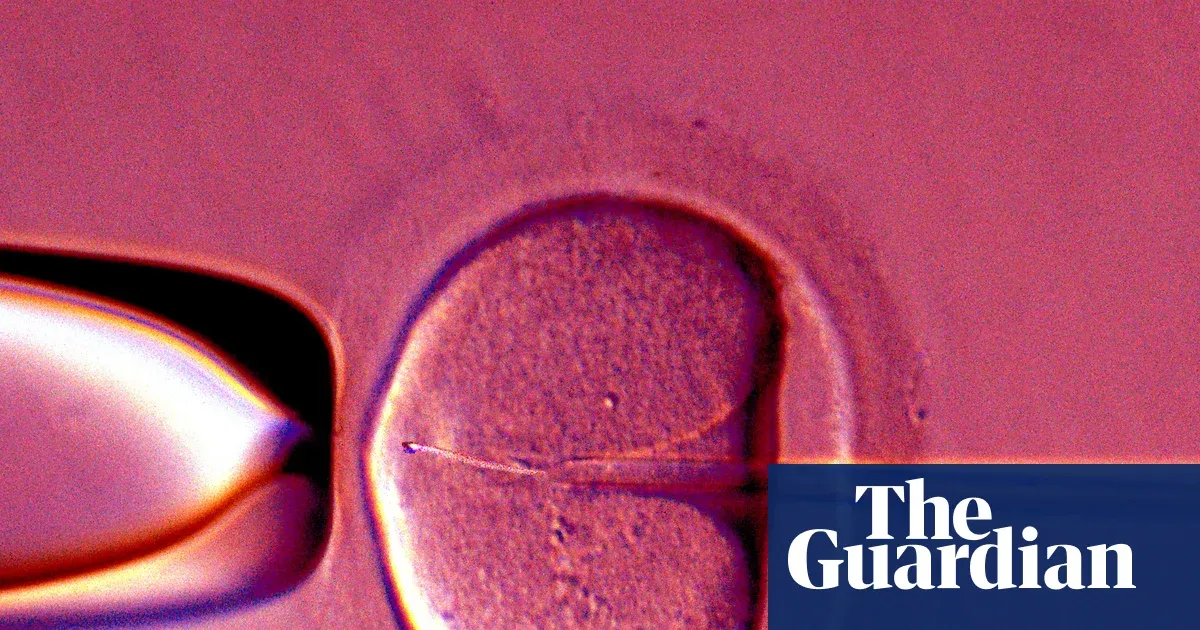
A single protein appears to reverse the aging process in human eggs. Scientists at the Max Planck Institute injected a molecule called Shugoshin 1 into donated eggs and watched chromosome defects drop from 53% to 29%—nearly cutting in half the genetic errors that derail pregnancies in women over 35.
This matters because egg quality is the primary reason IVF fails as women age. A 35-year-old has roughly a 35% chance of a successful birth per embryo transferred. By 43, that drops to 5%. The culprit isn't mysterious: as eggs age, the protein that holds chromosome pairs together naturally declines, causing genetic chaos during cell division.
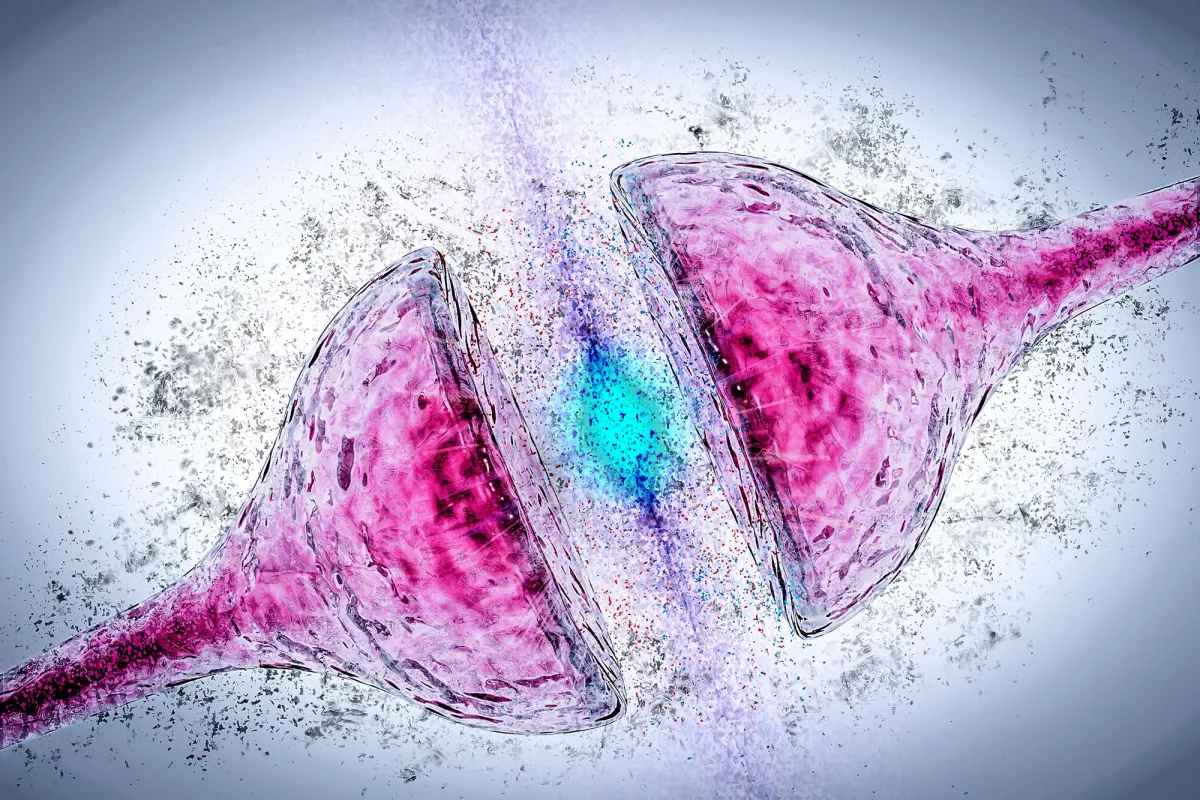
Shugoshin 1 acts like molecular glue. In younger eggs, it keeps chromosome pairs locked in place while the cell divides. But in older eggs, this protein fades, and the chromosomes separate prematurely, creating embryos with too many or too few genetic instructions—often leading to miscarriage or conditions like Down's syndrome.
We're a new kind of news feed.
Regular news is designed to drain you. We're a non-profit built to restore you. Every story we publish is scored for impact, progress, and hope.
Start Your News DetoxProf Melina Schuh's team tested their hypothesis on donated human and mouse eggs. The results were striking: when they restored Shugoshin 1 to youthful levels through microinjection, the chromosome defect rate plummeted. For women over 35, abnormalities fell from 65% to 44%. "What is really beautiful," Schuh said, "is that we identified a single protein that, with age, goes down, returned it to young levels and it has a big effect."
The improvement is significant enough that regulators are now discussing a clinical trial. The next phase will test whether this laboratory gain translates to actual pregnancies—whether restored eggs genuinely produce healthier embryos and live births.
If it works, the implications are substantial. Millions of women delay childbearing for career, financial, or personal reasons. Currently, their only options are accepting lower success rates or using younger donor eggs. A protein injection that restores egg quality wouldn't be a cure-all—biology is messier than that—but it could shift the odds meaningfully for women in their late 30s and 40s.
The research is still early. The sample sizes are small, some results weren't statistically significant, and the jump from petri dish to delivery room is never straightforward. But the mechanism is simple, the effect is measurable, and the need is real. The team is now preparing to move from proof-of-concept to human trials.