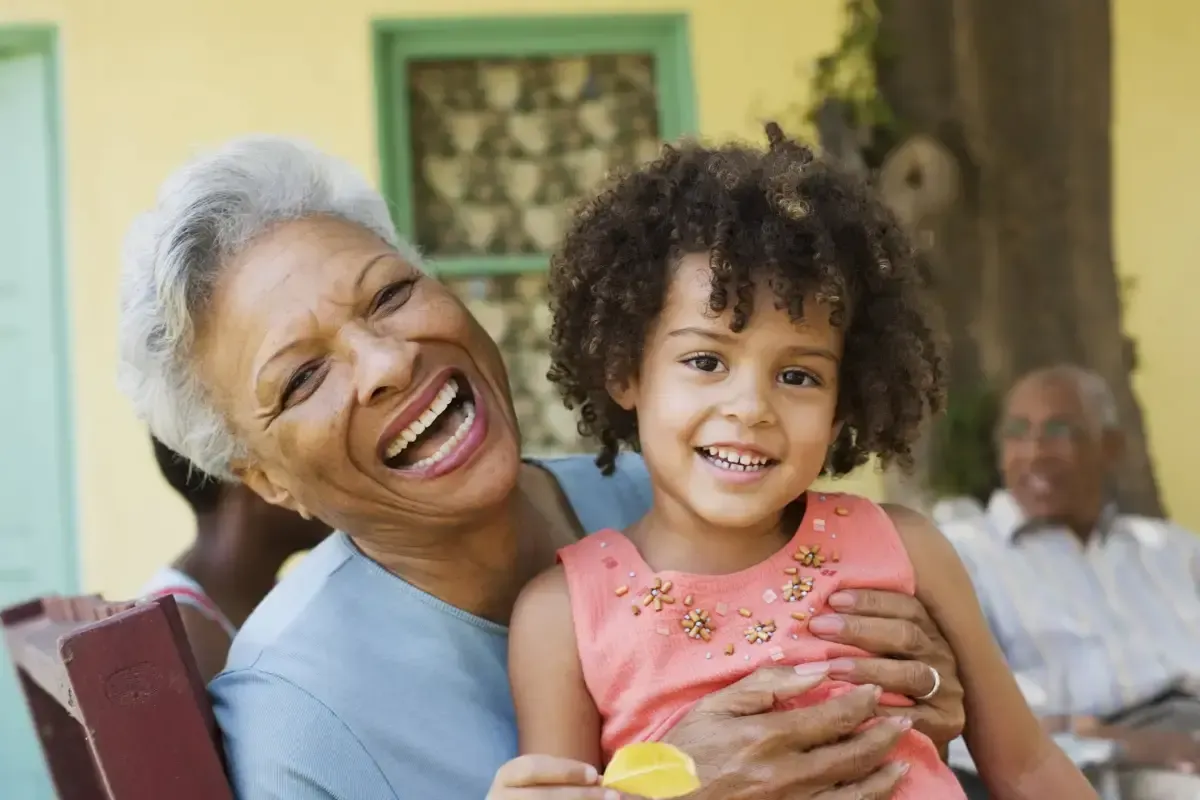
Spending time with your grandkids might be doing more than just filling your heart. A new study hints that grandmothers who regularly care for their grandchildren could actually be protecting their brains from aging.
Researchers looked at nearly 10,000 grandparents in England. None of them lived with their grandkids, but many helped out with childcare.
Over six years, these grandparents took tests to check their thinking skills. They named as many animals as they could in a minute and tried to remember words from a list.
We're a new kind of news feed.
Regular news is designed to drain you. We're a non-profit built to restore you. Every story we publish is scored for impact, progress, and hope.
Start Your News DetoxHere's the cool part: Grandparents who helped with childcare generally had sharper minds. This was true even when the researchers factored in things like age, education, and other health issues.

Flavia Chereches, who led the study, thinks it's about staying active. Caring for kids keeps you moving and thinking. That's a serious win for older adults.

And it's not just the physical stuff. Being happy and having a sense of purpose also helps keep your brain healthy. Grandkids bring a lot of that, right?

Why Grandmas Might Have an Edge

The study found that any amount of caregiving was linked to better thinking skills at a given moment. But here's the kicker: only grandmothers showed protection against long-term brain decline.

Grandfathers didn't get the same boost. Why? Chereches thinks it might be how they usually help.
Grandmothers often handle more of the planning and hands-on tasks, like cooking and coordinating. Grandfathers might do more playing or just generally being there.
It could also be that grandfathers sometimes feel more stress or obligation from caregiving. If it feels like a chore, the brain benefits might not kick in.

Of course, not every grandparent can or should provide childcare. But for those who enjoy it, this study offers a pretty cool bonus. It's a fun way to stay sharp, stay connected, and keep moving.
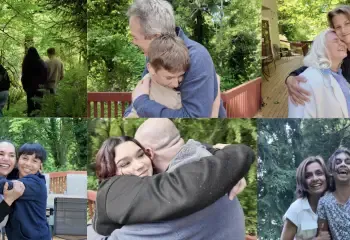
It turns out, those joyful moments with your grandkids could be a secret weapon for a healthier, happier brain later in life. Pretty neat, right?