A team at China's Dalian Institute of Chemical Physics has cracked a problem that's plagued battery engineers for years: keeping lithium cells functional when the temperature drops below freezing.
In tests, their new liquid-solid-state battery retained 85% of its capacity after eight hours at –29°F. That's the kind of cold where conventional lithium-ion batteries typically lose half their power or more.
How it actually works
The breakthrough isn't one clever trick—it's three working together. The researchers designed a special low-temperature electrolyte, built a liquid-solid separator that keeps ions moving smoothly even in extreme cold, and added an AI system that optimizes how energy flows through the battery. Project leader Zhang Meng explained that the liquid-solid architecture maintains electrochemical activity when temperatures plummet, preventing the complete power loss that kills standard batteries in harsh winter conditions.
We're a new kind of news feed.
Regular news is designed to drain you. We're a non-profit built to restore you. Every story we publish is scored for impact, progress, and hope.
Start Your News DetoxWhat matters practically: the battery doesn't need extra insulation or heating hardware. It slots into existing systems without retrofit. The team has already tested it in drones used for inspection and emergency communications, and in robots designed for high-altitude work. It works.
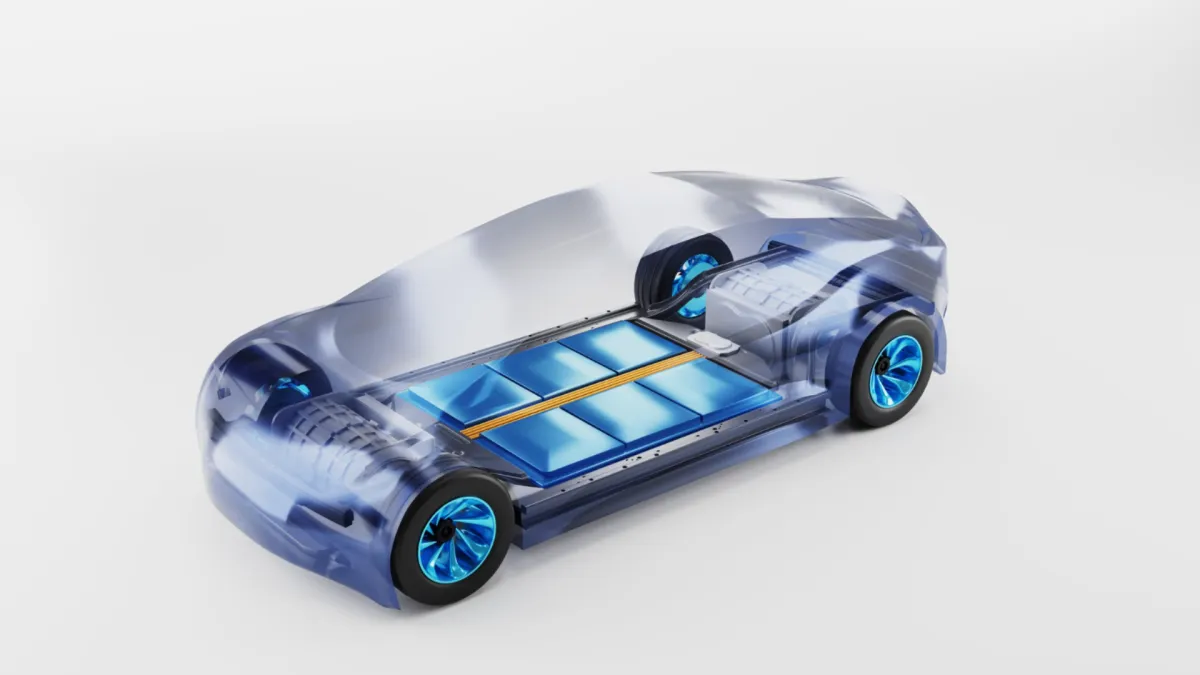
Electric vehicles in cold climates are the obvious next target. A standard EV battery pack loses 50% to 80% of its range below –4°F—exactly when you're sitting in traffic and the heater's running full blast. A battery that keeps 85% capacity at –29°F changes the math for anyone driving in Minnesota, Norway, or northern Canada. It means winter doesn't have to mean choosing between range and reliability.
Scaling this to the massive battery packs that power real cars will take time. The researchers need to validate safety, get certifications, and integrate the design with existing vehicle thermal systems. But the prototype works. The trajectory is clear.
Beyond cars, the same architecture could power logistics drones, outdoor equipment, and consumer electronics—anywhere cold weather currently means dead batteries or expensive workarounds. It's a reminder that China's battery research isn't just about quantity. The momentum is shifting toward solving the problems that make these systems actually usable in the real world.