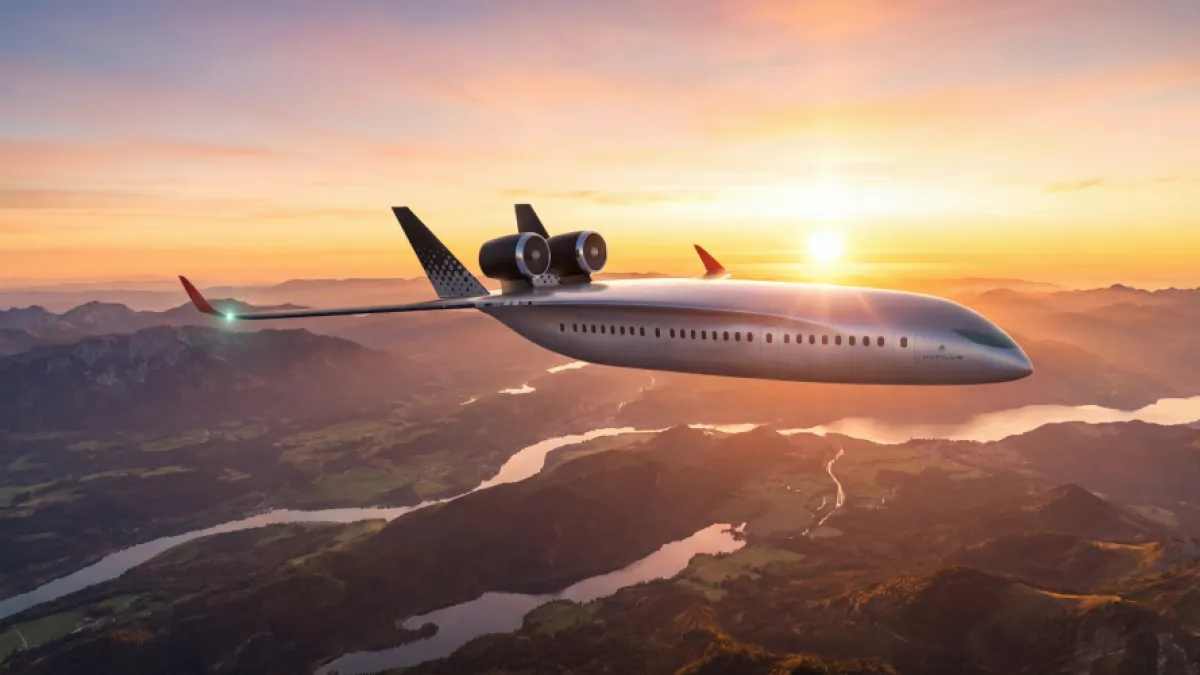
Natilus, a San Diego-based aircraft manufacturer, is betting that the future of aviation looks nothing like the planes flying today. The company just secured $28 million to build something that challenges 80 years of aircraft design: a blended wing body that merges the fuselage and wings into one lifting surface, cutting fuel consumption by 30% and operational costs in half.
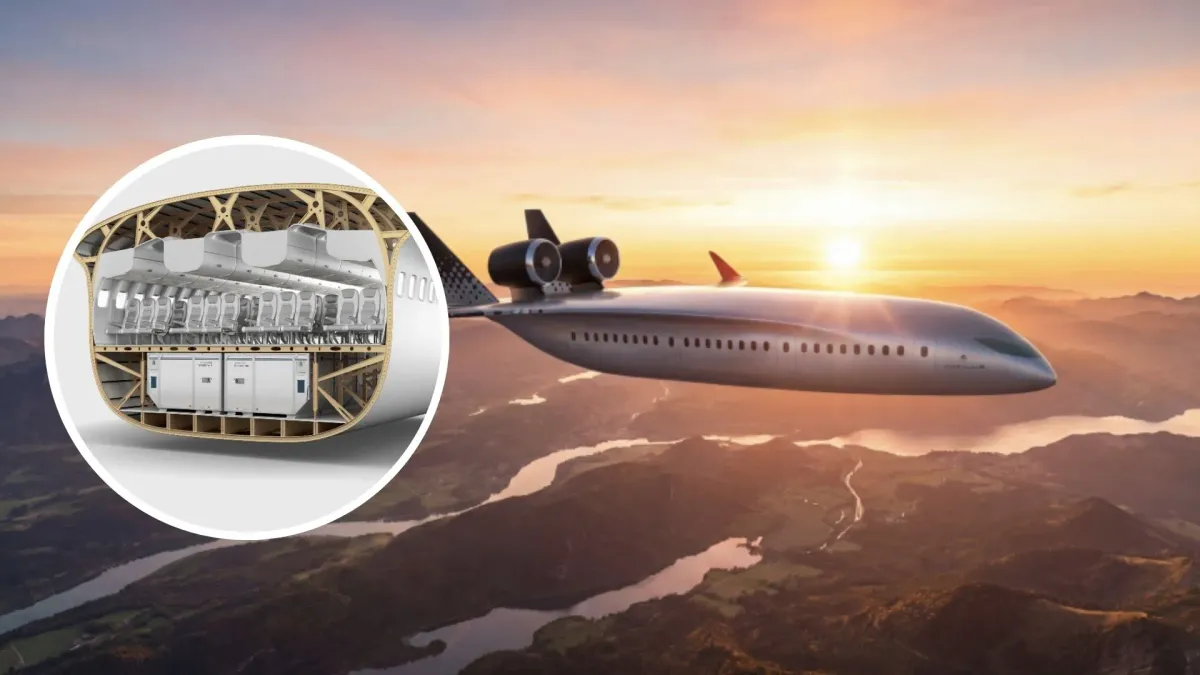
The shift came after conversations with the FAA and airlines. Instead of sticking with a single-deck layout, Natilus redesigned its Horizon Evo to stack two passenger decks—a move that sounds simple but required rethinking almost everything about how a plane like this works. The upper deck now offers more window seats, something passengers actually want. The lower deck can carry standard air-freight containers. Multiple aisles in both cabins mean faster boarding and smoother cargo operations.
Why this matters for the industry
Right now, the short and medium-haul market is dominated by single-aisle jets like the Boeing 737 MAX and Airbus A321-neo. They're proven, they're everywhere, and airlines know how to operate them. A new aircraft design has to do more than just work—it has to slot into existing infrastructure without forcing airports and ground crews to retrain entirely. Natilus designed the Horizon Evo to work with the same ground equipment and loading systems airlines already use. That's not flashy, but it's the difference between a prototype and something that actually gets ordered.
We're a new kind of news feed.
Regular news is designed to drain you. We're a non-profit built to restore you. Every story we publish is scored for impact, progress, and hope.
Start Your News DetoxThe company is currently building KONA, a smaller regional cargo aircraft, with a full-scale prototype expected to fly within 24 months. That's the test. If KONA proves the blended wing design works in practice, the Horizon Evo—designed for 200+ passengers—becomes the next step. The efficiency gains are substantial: 30% less fuel than conventional aircraft, and 50% lower carbon emissions and operating costs.
CEO Aleksey Matyushev frames this as breaking the Boeing-Airbus duopoly. That's the vision, anyway. But the real story is simpler: an aircraft that burns less fuel, costs less to operate, and gives passengers what they want. If the engineering holds up and the prototype flies on schedule, Natilus will have something airlines actually need.