

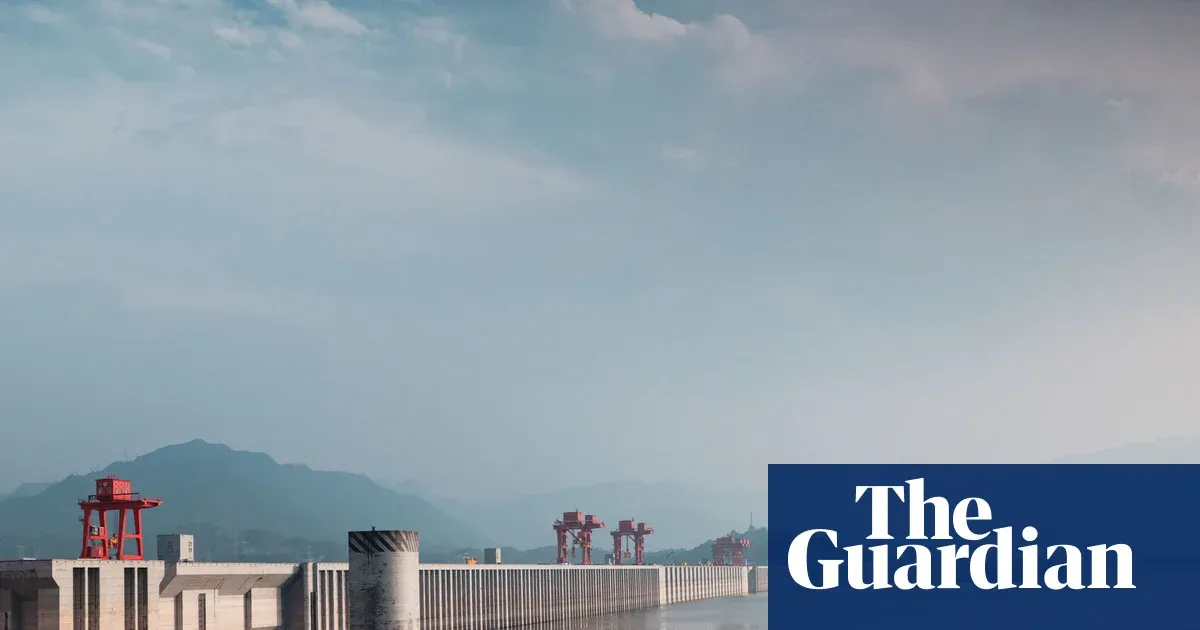
A river that lost 85% of its fish in 70 years of decline is bouncing back. Two years into China's 10-year fishing ban on the Yangtze, researchers have documented something they didn't expect to happen this fast: fish biomass has more than doubled, and several species thought to be sliding toward extinction are recovering.
Sébastien Brosse, a biologist at the University of Toulouse who led the research team analyzing the changes, called it "the most positive freshwater conservation story [he had] seen anywhere in the world in 20 years." That's a significant claim from someone who studies rivers for a living.
The Yangtze isn't just any river. It's the world's third largest, flowing through a region that's home to 400 million people and some of the planet's biggest factories. For decades, it absorbed the full weight of that human presence: industrial pollution, 100,000 fishing boats using electricity and dynamite to maximize their catch, dam construction that fragmented habitats, and constant shipping traffic. By the early 2000s, the river had already witnessed one of the most shocking extinction events in modern conservation history—the baiji, a freshwater dolphin once worshipped as a goddess, vanished entirely.
We're a new kind of news feed.
Regular news is designed to drain you. We're a non-profit built to restore you. Every story we publish is scored for impact, progress, and hope.
Start Your News Detox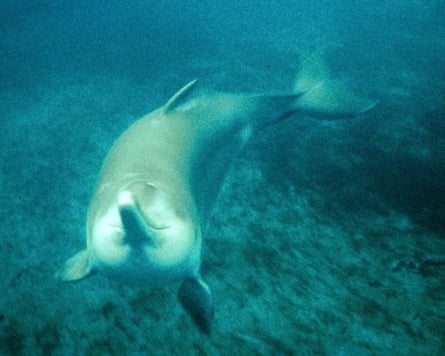
In 2021, the Chinese government made a choice that was both economically risky and ecologically necessary: a complete 10-year fishing ban. What made it work wasn't just the ban itself—it was how they handled the people whose livelihoods depended on those boats. The government spent roughly $3 billion compensating and retraining about 200,000 fishers, scrapping many of the 100,000 boats. They applied something called "evolutionary game theory" to the design, essentially modeling how to make alternative employment attractive enough that illegal fishing would become less rational than legitimate work.
The results arrived faster than most conservation efforts. Comparing the two years before the ban (2019–2021) with the two years after (2021–23), the research team found a 13% improvement in species diversity and that overall fish biomass had roughly doubled. The Yangtze finless porpoise, a charismatic species that had dwindled to around 400 individuals, rebounded to 600.
But the recovery isn't complete, and researchers are careful not to declare victory yet. Illegal fishing, especially in tributary rivers like the Gan, remains a constant threat. Water quality still needs improvement. And some species, like the critically endangered Chinese sturgeon, can't reach their spawning grounds because of massive hydropower dams blocking the river.
Brosse has already urged other countries to study the Yangtze's turnaround, particularly those managing the Mekong River in Southeast Asia, which faces similar pressures. What happened here suggests that even deeply degraded rivers can recover if you remove the primary source of damage and give people a reason to stop damaging them. The Yangtze's next eight years will show whether that recovery can hold.





