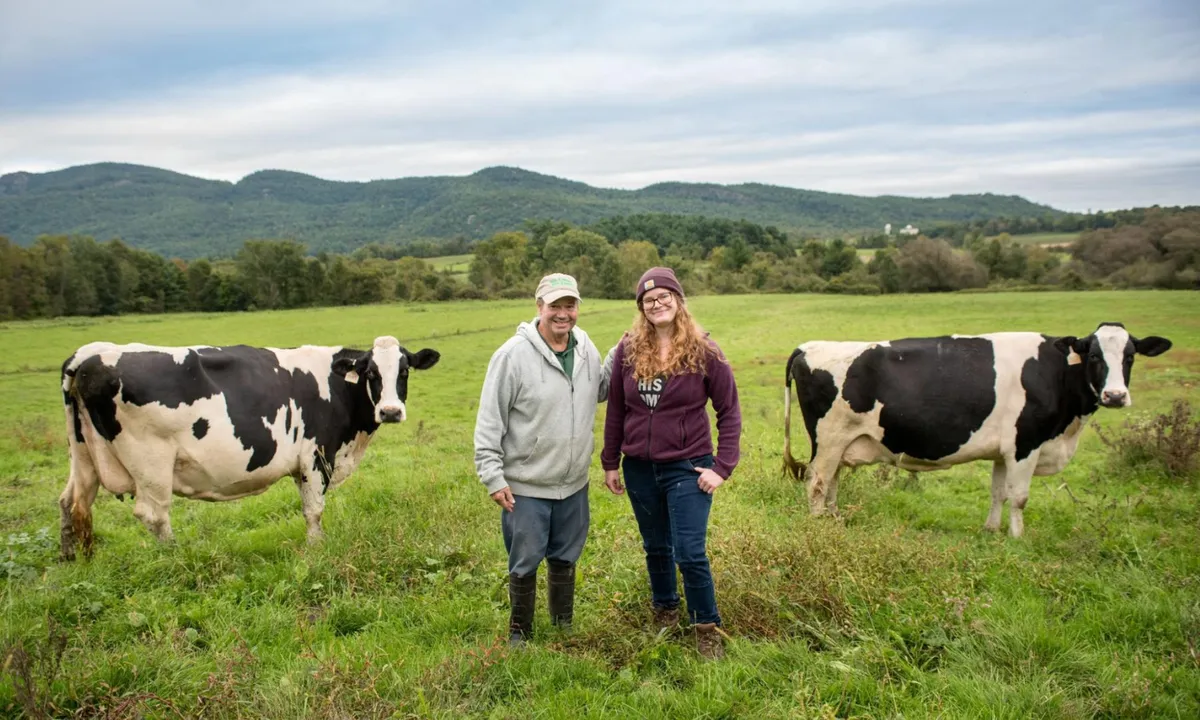
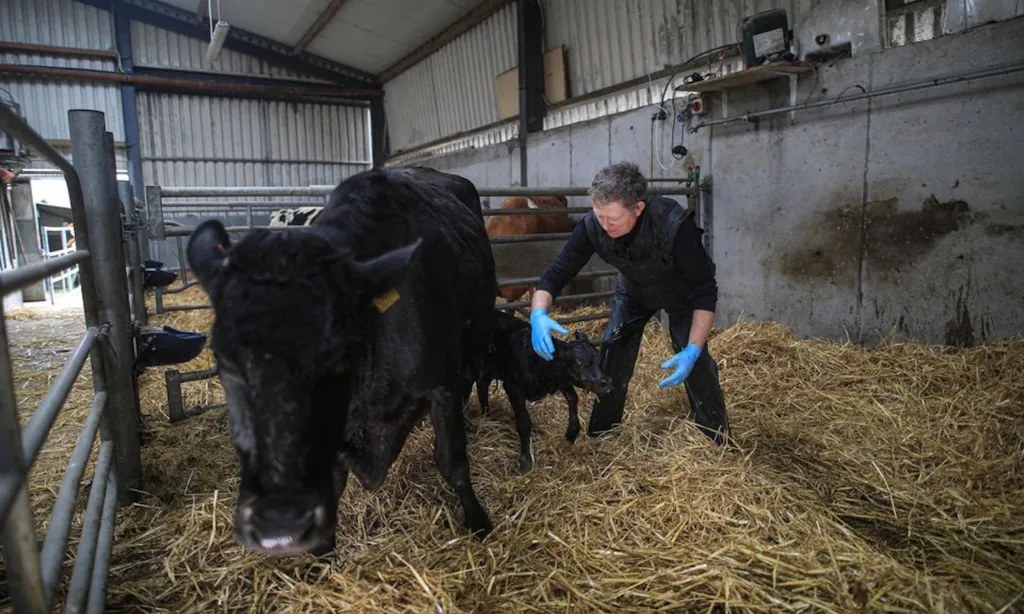
William Dennehy has spent nearly three decades tending 96 cows on his County Kerry farm, watching a salmon river run through his land—a daily reminder that his decisions ripple beyond his own bottom line. When milk quotas lifted in the mid-1990s and the Irish dairy industry suddenly restructured, Dennehy faced a choice that many farmers still face: struggle alone or find others walking the same uncertain path.
He chose the latter. In 1995, when volatile milk prices made survival precarious, Dennehy and 16 other young farmers formed a discussion group. They met monthly to wrestle with the real texture of farm life—animal welfare, soil management, finance, labor shortages, succession planning. Nearly 30 years later, they still gather the first Tuesday of every month.
"The business of farming can be lonely, isolated," Dennehy says. "It was more than a talking shop. The meetings are the backbone of everything we do on the farm."
We're a new kind of news feed.
Regular news is designed to drain you. We're a non-profit built to restore you. Every story we publish is scored for impact, progress, and hope.
Start Your News DetoxThat peer network became the single most important investment in his farming career. What started as a lifeline during crisis became the foundation for how he approaches every major decision—from which crops to plant to how to prepare the next generation.
Building resilience through knowledge and action
Dennehy's farm has become a living example of what happens when a farmer commits to both productivity and stewardship. He tests his soil annually for pH, nitrogen, phosphate, and potassium, the core nutrients that sustain grass growth and milk production. Over the last three years, he's incorporated white clover into his pastures, a move that increased grass yield and boosted milk output while cutting his chemical nitrogen use by 30 percent.
Along the riverbank, he's planted 1,000 trees as part of the European Innovation Partnership's Farming for Water project. He's also installed willow beds that act as natural filtration systems, protecting water quality and the salmon habitat that shares his land. Water tests show the results: cleaner water, healthier ecosystem, proof that nature-based solutions work at scale.
But perhaps his most significant work happens off the land entirely. Young people—some as young as 12—visit Dennehy's farm to learn what farming actually demands: the routine, the responsibility, the relationship with land and animals. Some develop what Dennehy calls "a bit of passion for it" and eventually make farming their livelihood. In an industry where succession is one of the most pressing challenges, these visits matter.
"Since 1995, the dairy industry in Ireland has gone through a remarkable transformation," Dennehy reflects. "And if we're willing to adapt and learn, I see no reason why we cannot continue to grow. The world population is growing. At the end of the day, the world needs farmers."
His optimism isn't naive. It's rooted in three decades of showing up, learning from peers, adapting practices, and passing knowledge forward. It's the kind of resilience that can't be built alone.