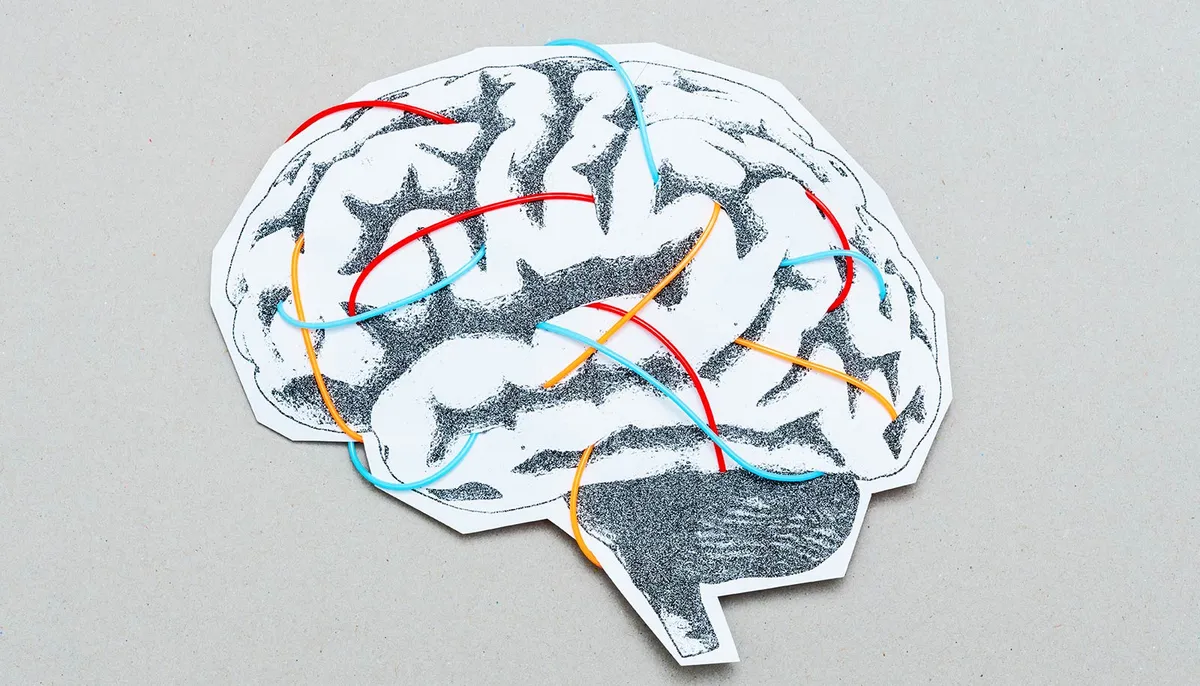
A small but significant study from NYU Steinhardt has found something encouraging: brains damaged by trauma can rewire themselves—and computer games might be the tool to help them do it.
Seventeen adults with chronic traumatic brain injuries spent 14 weeks playing cognitive games—tasks like remembering sound sequences, identifying audio frequencies, and recalling details from spoken stories. Forty one-hour sessions. Nothing glamorous. But when researchers scanned their brains using diffusion magnetic resonance imaging (which tracks water molecules moving through brain tissue), they found measurable changes in white matter—the neural pathways that connect different brain regions. The changes correlated directly with improvements in processing speed, attention, and working memory.
The control group, who didn't play the games, showed no such changes.
How Damaged Brains Rebuild
To understand why this matters, think of your brain's communication network like telephone wires. In a healthy brain, these wires are bundled together, thick and efficient. A traumatic brain injury—from a car crash, fall, or blast—can snap or fray those bundles. Signals slow down. Information gets lost between regions. Memory falters. Attention scatters.
We're a new kind of news feed.
Regular news is designed to drain you. We're a non-profit built to restore you. Every story we publish is scored for impact, progress, and hope.
Start Your News DetoxNeuroplasticity is the brain's ability to rewire itself, to grow new connections or strengthen damaged ones. It's how people recover from stroke, how musicians develop different brain structures, how you learn anything new. But after serious injury, that plasticity doesn't always happen on its own.
The computer games used in this study—called Brain Fitness Program 2.0—appear to activate that dormant rewiring potential. They're not flashy or entertaining in the way a video game is. They're deliberate, repetitive cognitive work. But repetition is how neural pathways strengthen. Do something over and over, and your brain reorganizes to support it.
Gerald Voelbel, the study's senior author, frames it plainly: "The brain can change over time, even in people with a brain injury, with computer exercises that improve cognitive abilities." The research appears in the Journal of Neurotrauma.
This isn't a cure. Seventeen people is a small sample. But it's concrete evidence that the window for recovery from traumatic brain injury doesn't close as sharply as once thought. For the estimated 5.3 million Americans living with long-term effects of brain injury—many of them stuck in cognitive fog years after the initial trauma—that's a meaningful direction. The next question is whether this approach scales beyond a research setting, and whether it works for people further out from their initial injury.