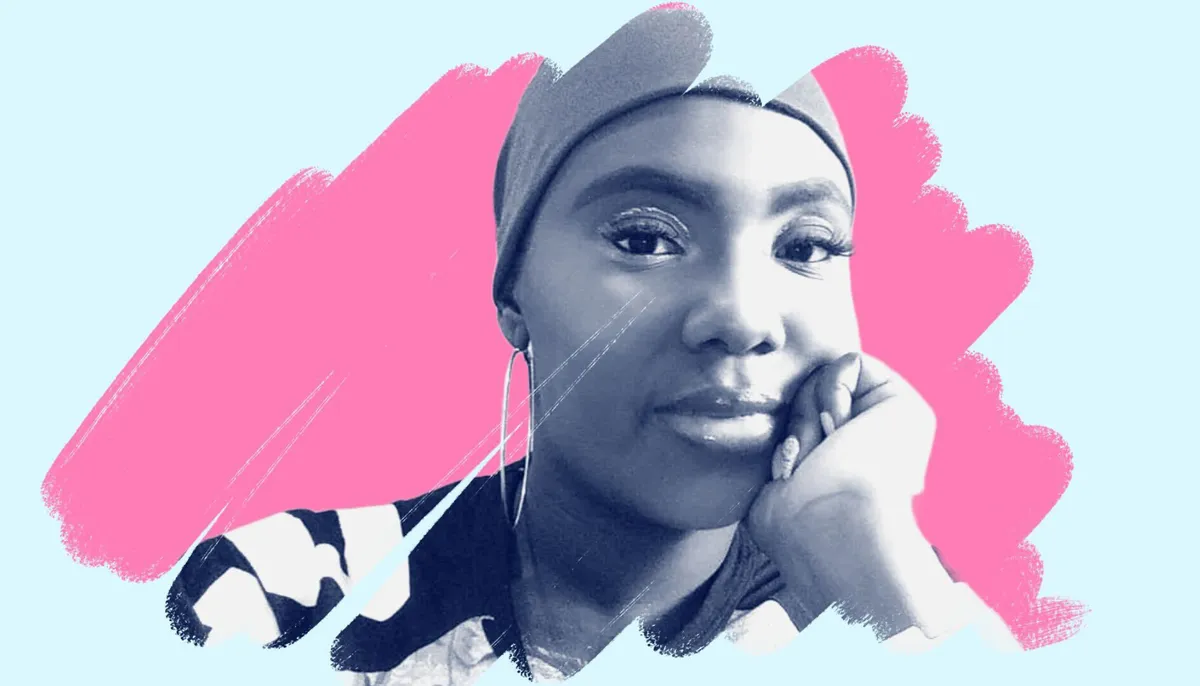
Victoria Gray spent her childhood in hospital beds. At 3 months old, blood tests confirmed sickle cell disease — a genetic disorder that warps red blood cells into rigid crescents, blocking oxygen flow through the body. The pain came in waves she described as "getting struck by lightning and hit by a truck."
As she grew up, the disease didn't just hurt. It stole her childhood. She missed her kids' birthdays during hospital stays for blood transfusions. She stopped imagining a future. "I didn't look forward to a long life," she recalls. "I thought that I was close to dying."
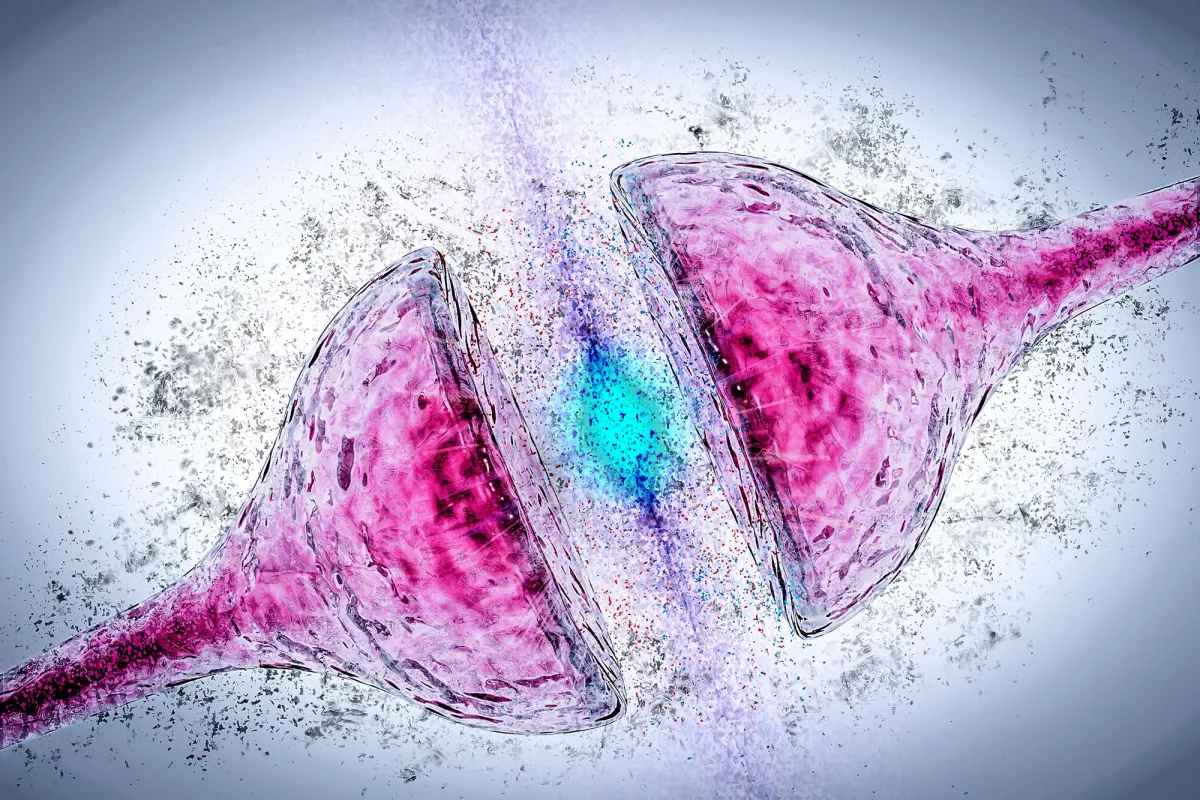
At 34, Victoria became the first person on Earth to receive something different: a gene-editing treatment called CRISPR, a tool discovered in a UC Berkeley lab that would win a Nobel Prize just one year later. The approach was radical — scientists used the technology to edit her own blood cells, correcting the genetic flaw that caused the disease. Then they returned the edited cells to her body.
We're a new kind of news feed.
Regular news is designed to drain you. We're a non-profit built to restore you. Every story we publish is scored for impact, progress, and hope.
Start Your News Detox"It felt like an answered prayer for me," Victoria says now. "CRISPR not only freed me, it freed my children."
Sickle cell disease affects roughly 100,000 people in the United States, with even higher rates in Africa and the Caribbean. For decades, treatment meant managing pain and complications — the transfusions, the organ damage, the shortened lifespan. There was no cure, only survival.
CRISPR changed that equation. Since Victoria's treatment, dozens of sickle cell patients have received the same gene-editing therapy, with results that have surprised even cautious researchers. Most have seen their pain crises drop from multiple episodes per year to zero. Some have gone years without a single crisis. The edited cells don't revert — the fix appears permanent.
What makes this significant isn't just the individual stories, though those matter. It's the proof that CRISPR works in the human body for a real disease. Sickle cell was the ideal test case — a single-gene disorder, well-understood, with clear outcomes to measure. But its success opens doors. Researchers are now exploring CRISPR treatments for blood cancers, inherited blindness, and other genetic conditions.
The technology still faces real constraints. The current treatment requires chemotherapy to make room for edited cells, and it's expensive — tens of thousands of dollars. Not everyone has access. But the trajectory is clear: what seemed impossible a decade ago is now routine enough that multiple patients have undergone it.
Victoria Gray, the first, still marvels at the shift. She's not just surviving sickle cell disease anymore. She's living past it.