A keystone species in a warming ocean
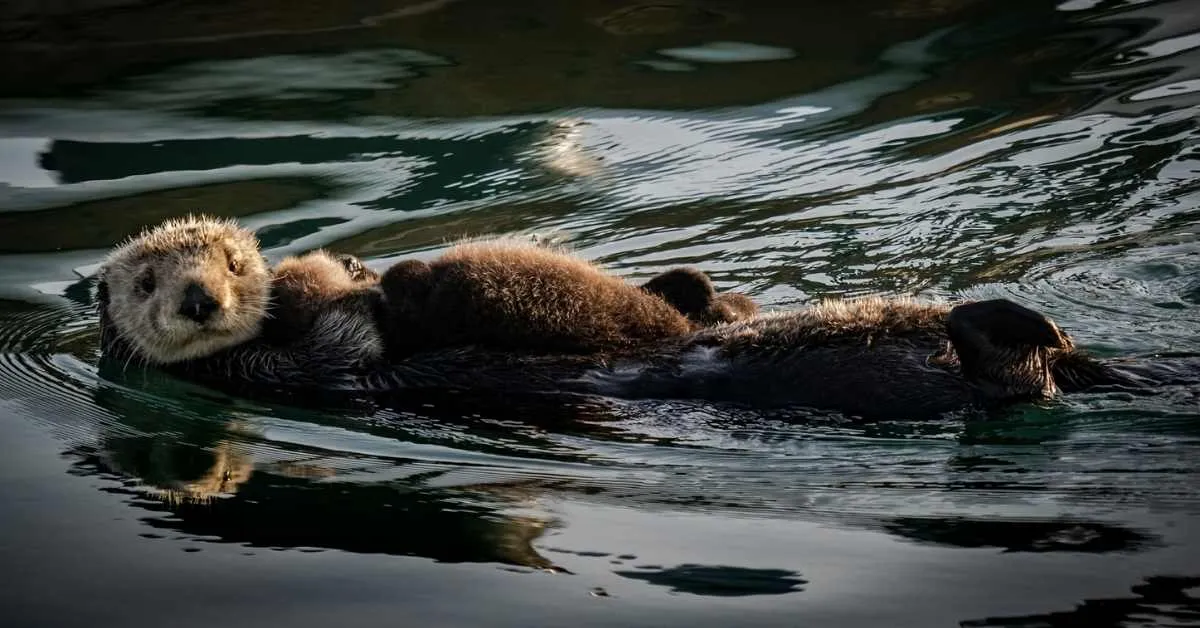
On Monterey Bay, southern sea otters are doing something remarkable: they're eating their way through one of climate change's most visible problems. These small marine mammals, hunted nearly to extinction for their fur, have become essential players in keeping California's coastal ecosystems intact as the ocean warms.
There are roughly 3,000 southern sea otters left along the California coast — a conservation win, but still confined to just 13% of the range they historically occupied. Their numbers have held steady for years, but they haven't expanded their territory in about two decades. Yet within their limited range, their impact far exceeds what you'd expect from such a small population.
Unlike other marine mammals, sea otters lack the thick blubber layer that keeps whales and seals warm. Instead, they rely on extraordinarily dense fur and a metabolism that burns constantly. This means they eat up to a quarter of their body weight every single day — a hunger that turns them into what ecologists call a keystone species, an animal whose presence shapes entire ecosystems.
We're a new kind of news feed.
Regular news is designed to drain you. We're a non-profit built to restore you. Every story we publish is scored for impact, progress, and hope.
Start Your News DetoxSaving kelp forests one urchin at a time
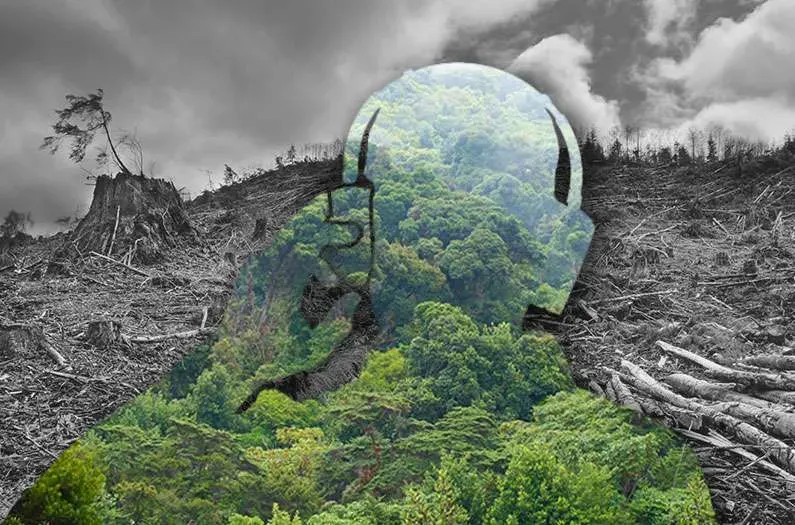
The problem they're solving is visible across California's coast. Recent years of unusually warm ocean water — intensified by climate change — have devastated kelp forests, leaving behind what scientists call "urchin barrens." Without predators to control them, purple sea urchins graze down kelp until nothing remains but barren rock.
Around Monterey Bay, researchers found something different. In the remaining kelp beds where sea otters hunt, the otters have ramped up their urchin consumption, keeping the forests alive. When otters thin out urchin populations, kelp gets the space to grow taller and thicker. It's a straightforward food chain — but one that makes the difference between a thriving forest and a biological desert.
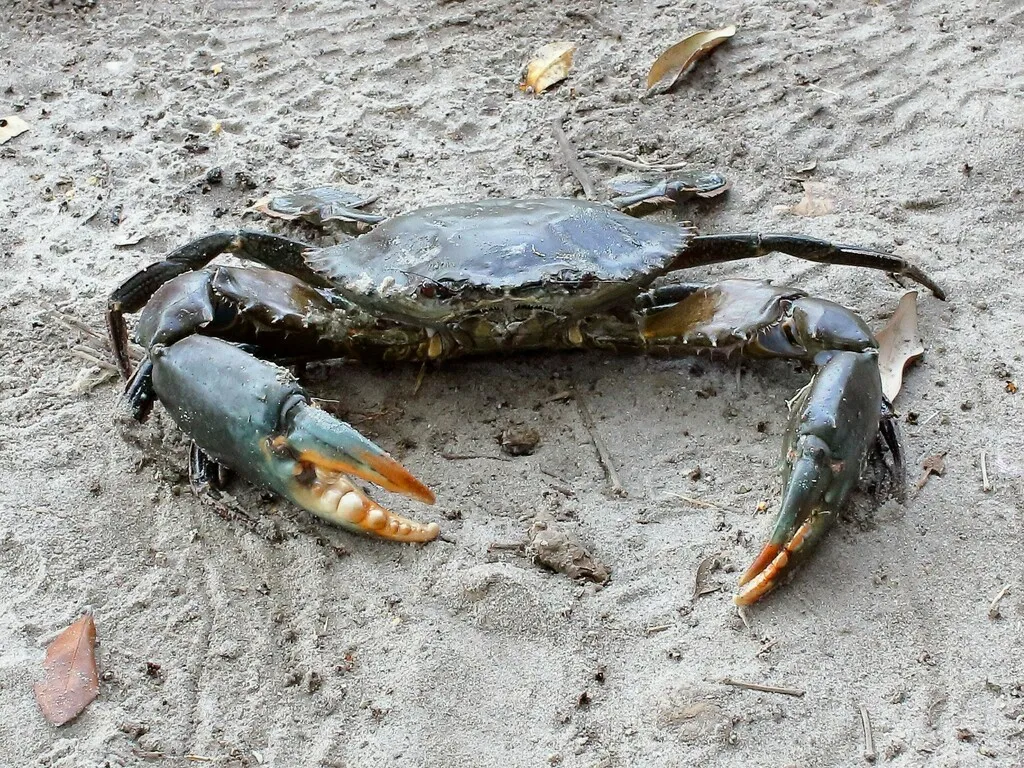
The protection extends inland too. In sheltered estuaries like Elkhorn Slough, where freshwater meets seawater, sea otters eat crabs that would otherwise overrun seagrass meadows. Healthy seagrass stores carbon in the sediment — what researchers call blue carbon — and the otters' presence helps preserve these underwater carbon sinks even in polluted waters.
There's another benefit on the marsh edges. When crab populations explode unchecked, they burrow into banks and chew plant roots, destabilizing shorelines and accelerating erosion. Otters slow this process by controlling crab numbers, which means the marshes that protect nearby communities from flooding and storm surge stay intact longer.
The climate that helps them also threatens them
But sea otters aren't immune to the forces reshaping the coast. Researchers have documented a sharp rise in otter injuries and deaths from white shark bites — often juveniles delivering exploratory bites. These younger sharks are moving north into warmer waters, a shift linked directly to ocean heating and expected to accelerate.
Otters also face new dangers from thinning kelp canopies, which leave them more exposed as they rest and forage near the surface. Harmful algal blooms producing domoic acid are becoming more frequent, causing sudden fatal strandings or quietly damaging otter hearts over time.
The irony is stark: the species bolstering coastal ecosystems against climate pressures is simultaneously becoming more vulnerable to those same pressures. Their story isn't a simple conservation victory. It's a reminder that even keystone species — even animals doing the hard work of keeping ecosystems functional — need more than individual resilience to survive what's coming.