Four years ago, Fatuma Juma was frying fish over charcoal fires on a Mombasa beach, like hundreds of other women in the coastal villages. The work was unpredictable, the smoke was constant, and the fish stocks kept shrinking. Then a government grant for blue-economy projects arrived in 2021, and she made a choice that would reshape her life and the creek behind her village.
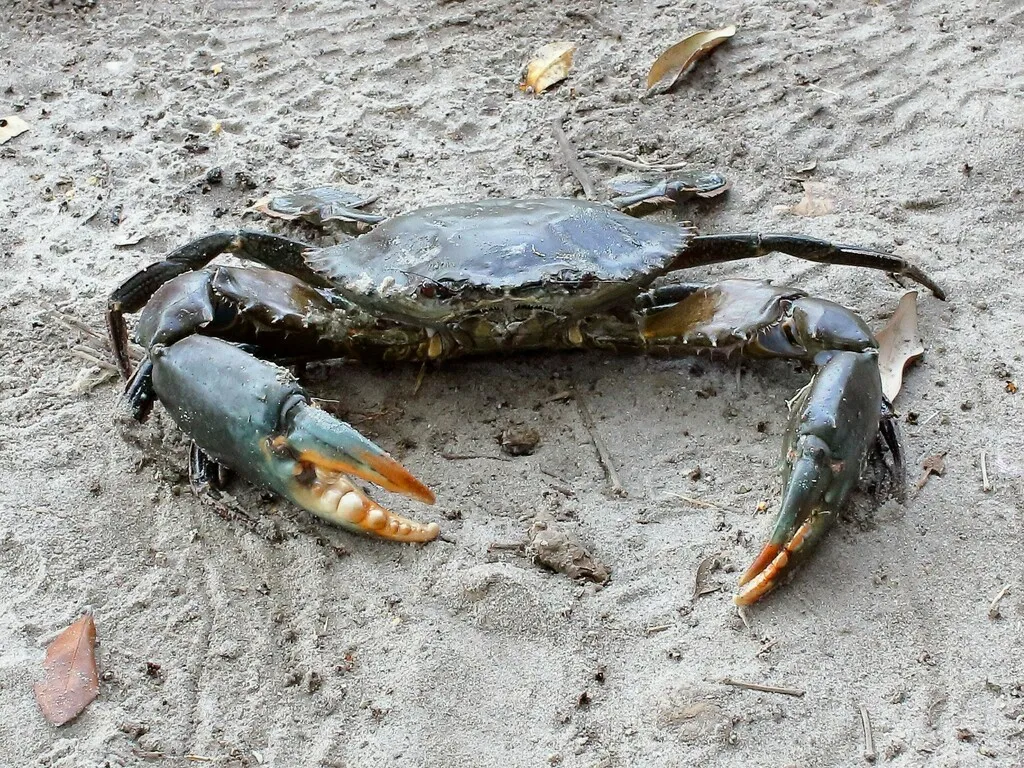
Today, Juma chairs the Jomvu Women in Fisheries and Culture, a group that started with a radical idea: farm mud crabs in the mangrove shallows. Most of the women had never done anything like it. They learned to build cages, source crab seed, read the tides. Within three months, the crabs were ready to harvest. Within four years, they'd scaled from a handful of cages to over 50.
"The crabs grow quickly," Juma said. "We can harvest them after just three months."
We're a new kind of news feed.
Regular news is designed to drain you. We're a non-profit built to restore you. Every story we publish is scored for impact, progress, and hope.
Start Your News DetoxWhat makes this work is not just the income—though that matters enormously. Amina Salim, another group member, was blunt about the difference: "Before, we could barely feed our families. Now we have a reliable source of income and are able to save for the future." Several women have sent children to school. Others have invested in homes or started new businesses.
But something else is happening in Jomvu Creek. The mangroves are coming back.
The Ecosystem Shift
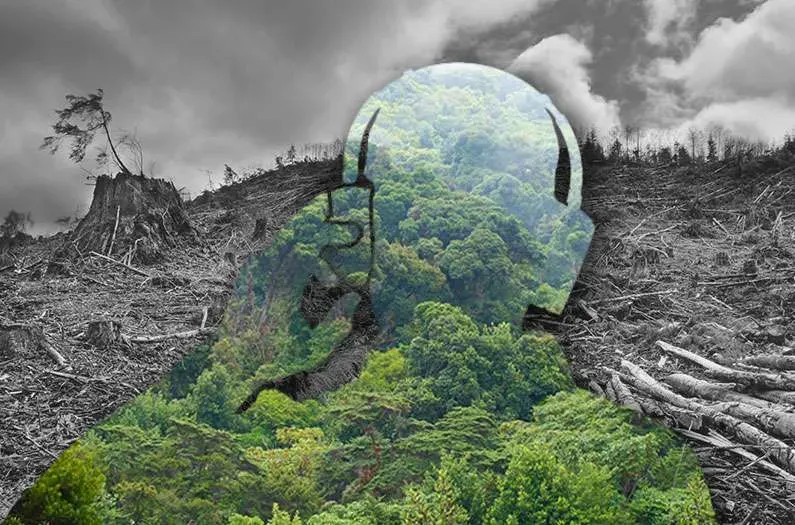
For decades, the mangrove forests that once lined this coast were cleared for firewood and development. The ecosystem collapsed. Now, as the women tend their crab cages, they're carefully replanting and protecting the mangrove seedlings that surround them. Crabs need mangroves to survive—it's their nursery, their shelter. So restoring one means restoring the other.
"The mangroves are coming back, and we see more crabs and other wildlife returning," Juma said. "It's amazing to see the difference our work is making."
This is not accidental conservation. It's the opposite of the usual trade-off where economic development and ecosystem restoration are supposed to be in tension. Here, they're the same project. The women are earning steady income because they're rebuilding the habitat. The habitat is recovering because women have economic reason to protect it.
The success hasn't stayed quiet. Men in the community have joined the group. The local government is exploring how to replicate the model in other coastal areas. What started as a few women taking a grant opportunity is becoming a template for how coastal communities might survive and thrive as fish stocks continue to decline.
The women are already thinking ahead. They want to move into processing and value-addition—turning raw crabs into packaged products they can sell at higher prices. "Our goal is to create a sustainable business that benefits our community and the environment," Juma said. "We want to show that women can be leaders in conservation and the blue economy."
It's a small operation in a small creek on the Kenyan coast. But it's also a glimpse of what happens when people closest to a problem—who understand both the ecosystem and the economics—get the resources to solve it themselves.