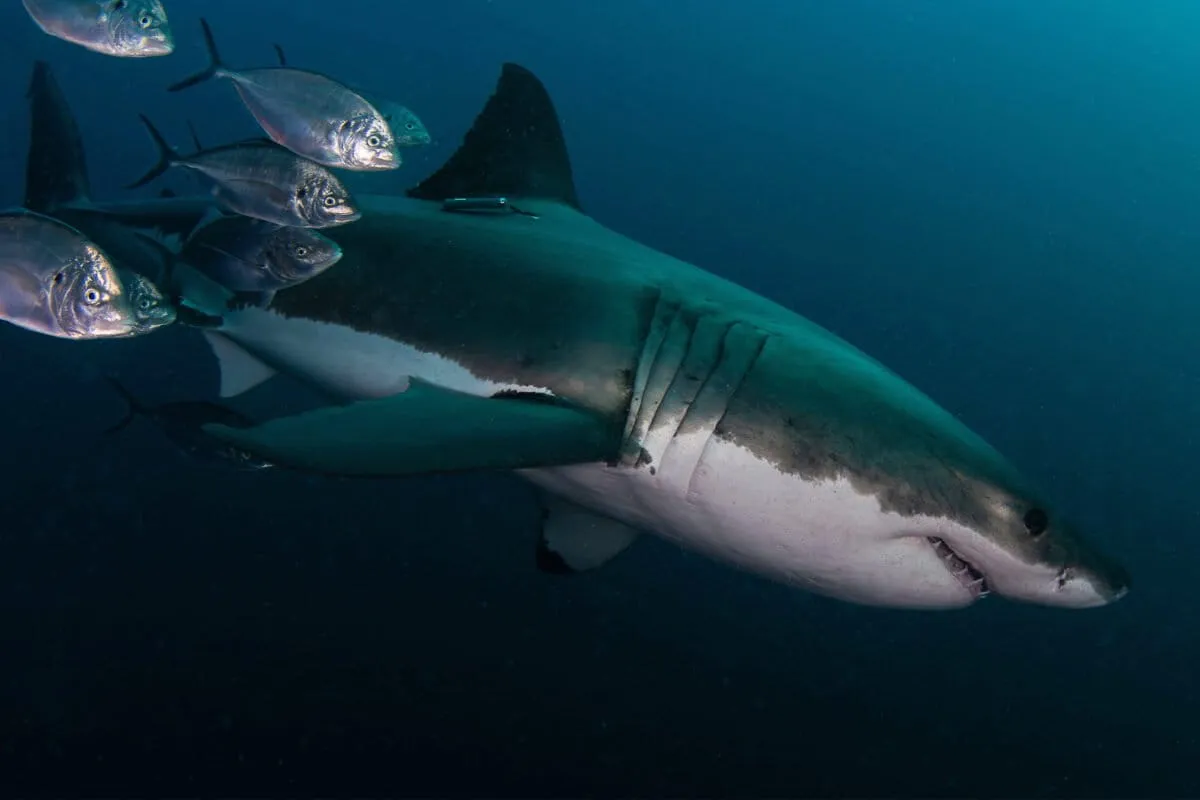
Almost 46% of shark and ray species in the Western Indian Ocean are sliding toward extinction. The waters that stretch from South Africa to the Indian subcontinent—home to iconic species and lesser-known rays alike—are running out of safe places to survive.
Researchers from the IUCN's Shark Specialist Group mapped 125 critical habitats across 2.8 million square kilometers. These "Important Shark and Ray Areas" are the nurseries, feeding grounds, and migration routes that these species depend on. The work was meticulous: scientists used standardized, evidence-based criteria to identify where sharks and rays actually spend their lives—breeding, hunting, growing from juveniles to adults.
Then came the sobering finding. Only 7.1% of these vital areas have any legal protection at all. And just 1.2%—barely a sliver—fall within fully protected no-take zones where fishing is banned entirely.
We're a new kind of news feed.
Regular news is designed to drain you. We're a non-profit built to restore you. Every story we publish is scored for impact, progress, and hope.
Start Your News Detox"The vast majority of places that are essential for sharks and rays remain open to fishing pressure," said Rima Jabado, chair of the Shark Specialist Group. That's the core problem: the habitats these species need most are also the places where they're most vulnerable to being caught.
Why this matters beyond the species themselves. Sharks and rays are apex predators and mid-level hunters. They regulate fish populations, maintain ecosystem balance, and support the food webs that millions of people in the region depend on for protein and livelihoods. When you lose them, the entire ocean structure shifts—often in ways that take years to fully understand.
The Western Indian Ocean is under particular pressure. Fishing intensity is high, coastal development is accelerating, and many nations have limited resources for marine enforcement. The region also includes small island states like the Seychelles and Maldives, where tourism and fishing economies sit side by side, creating competing pressures on the same waters.
The gap between what needs protecting and what actually is protected is stark enough that it demands a different approach. Expanding marine protected areas is one piece—but enforcement matters as much as designation. A protected zone is only as strong as the patrols that monitor it.
The study is a clear map of where action is needed most. Whether that action arrives in time will depend on whether governments and regional bodies treat this as urgent rather than aspirational.