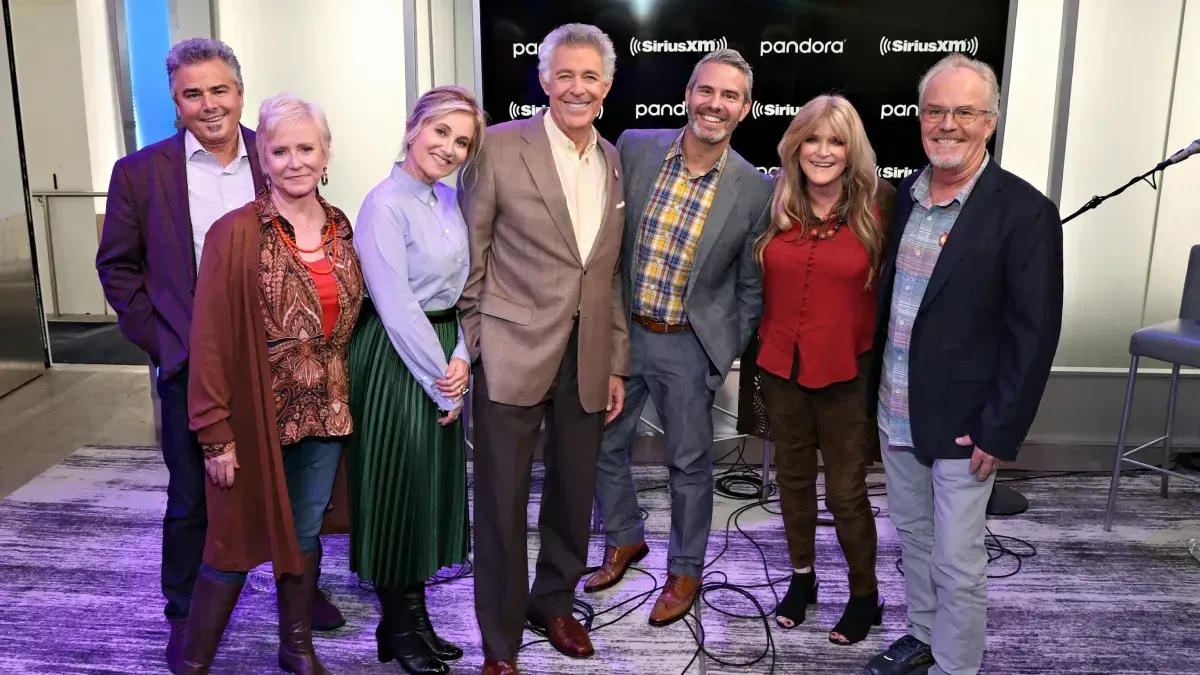
The Brady Bunch arrived in 1969 and stayed there for decades—a blended family on television when that was still novel, a house everyone recognized, a formula that worked: love conquers all, problems resolve in 22 minutes, everyone learns something. Millions watched. It became the kind of show you either grew up with or grew up hearing about.
But Christopher Knight's mother hated it.
Knight, now 68, played Peter Brady and became part of that cultural furniture. Yet on a recent episode of The Real Brady Bros. podcast, he recalled his mother's visceral rejection of the show—not because it was bad television, but because it wasn't real enough. "My mom thought it didn't depict real life," he said. She had strong opinions about what children should consume: nothing frivolous, nothing that played to sentiment. She "got mad at me for watching The Flintstones," he explained. She wanted depth, grit, something that challenged rather than comforted.
The Gap Between Home and Screen
Knight understood where it came from. His actual childhood bore little resemblance to the Brady household. His mother positioned herself as an "artiste"—someone above the kind of aspirational storytelling her own son was helping to create. She tried to pass that disdain down to him, to make him embarrassed of the work.
We're a new kind of news feed.
Regular news is designed to drain you. We're a non-profit built to restore you. Every story we publish is scored for impact, progress, and hope.
Start Your News DetoxIt didn't stick.
Knight's reflection on this is worth sitting with. "It's just aspirational," he said. "Even if it isn't real, if you want to take that as a premise, then this is really, you know, too good to be true. What's wrong with too good to be true?" He pointed to how we collectively reach for uplift during the holidays—how there's space in the culture for programming that doesn't pretend to be documentary, that offers something warmer than a mirror.
His mother never found that space. But millions of others did. The Brady Bunch ran for five seasons and spawned decades of reruns, specials, and cultural references. It wasn't groundbreaking television. It was something quieter: a shared story about a family that worked, at a moment when many families were being rearranged by divorce and remarriage. The show didn't claim to be realistic. It claimed something subtler—that blended families could be happy, that stepparents could be kind, that home could feel like home.
That aspiration outlasted the skepticism.