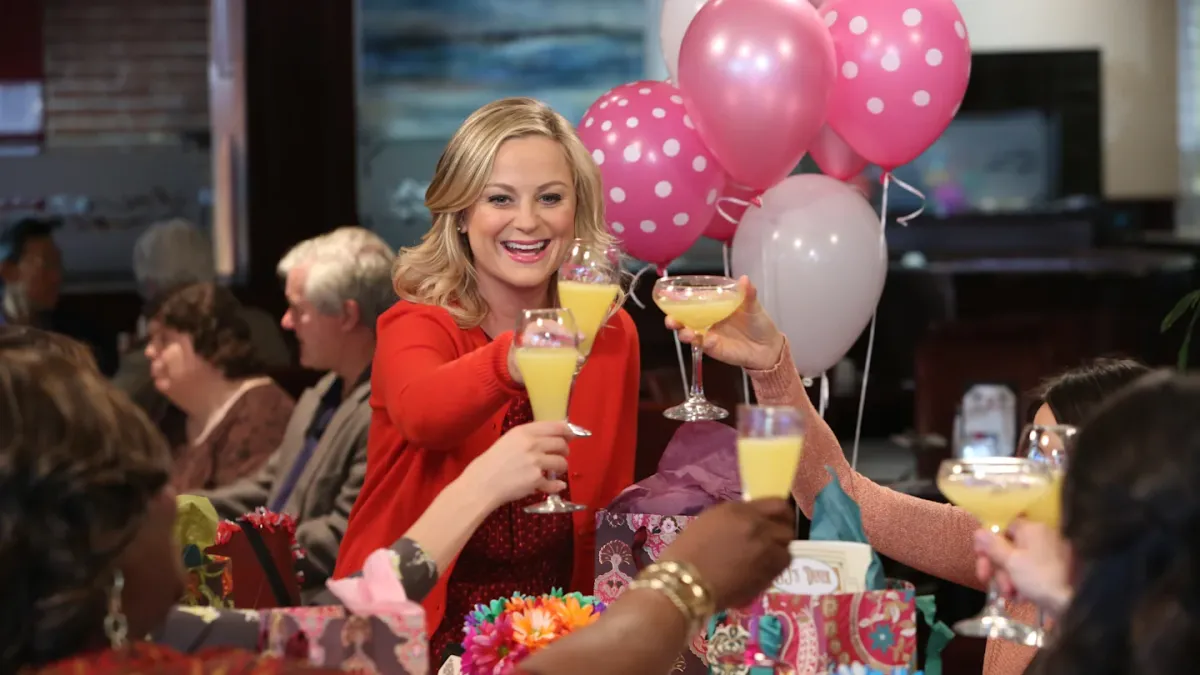
In 2010, a sitcom character named Leslie Knope threw a breakfast party for the women in her life on February 13—the day before Valentine's Day. She called it Galentine's Day. Fifteen years later, millions of people celebrate it.
Most holidays have deep roots. Valentine's Day connects back to ancient Roman festivals. Halloween traces to Celtic traditions about spirits. Galentine's Day traces to an NBC show people watch when they want to turn their brains off.
The episode aired on February 11, 2010, in season 2 of Parks and Recreation. Leslie (played by Amy Poehler) gathers her friends for breakfast and declares: "What's Galentine's Day? Oh, it's only the best day of the year." The line was meant to be funny. It became something else entirely.
We're a new kind of news feed.
Regular news is designed to drain you. We're a non-profit built to restore you. Every story we publish is scored for impact, progress, and hope.
Start Your News DetoxFrom TV moment to real tradition
What made Galentine's Day stick wasn't the novelty—women have always celebrated Valentine's Day with friends. What stuck was the permission it gave to reframe the day entirely. Valentine's Day carries weight. For people in relationships, there's pressure to perform romance. For people single, there's the ache of being alone on a day designed to celebrate pairing off. Galentine's Day offered a third option: celebrate the people you actually chose.

Catherine O'Sullivan told Fortune that despite 21 Valentine's Days with her husband, her favorite was spent with a friend before she married. "That whole day was intentional," she said. "On a day that's usually filled with pressure to be in a relationship, or sadness because I wasn't currently in one," it felt different to choose celebration with a friend instead.
Today, Galentine's Day happens on February 13, or February 14, or whenever works. Some people do spa days. Others go to dinner. Some exchange handwritten notes. Some just show up for each other. The format doesn't matter much. What matters is the shift: instead of waiting for a partner to make the day meaningful, you make it meaningful with the people already in your life.
It's become a fixture across the world—not because it was marketed or mandated, but because it solved a real problem. A TV show gave people language for something they already wanted to do. Now it's a holiday that exists because enough people decided it should.
That's how modern traditions actually form: not from ancient rituals, but from a character on screen saying something true, and millions of people recognizing themselves in it.