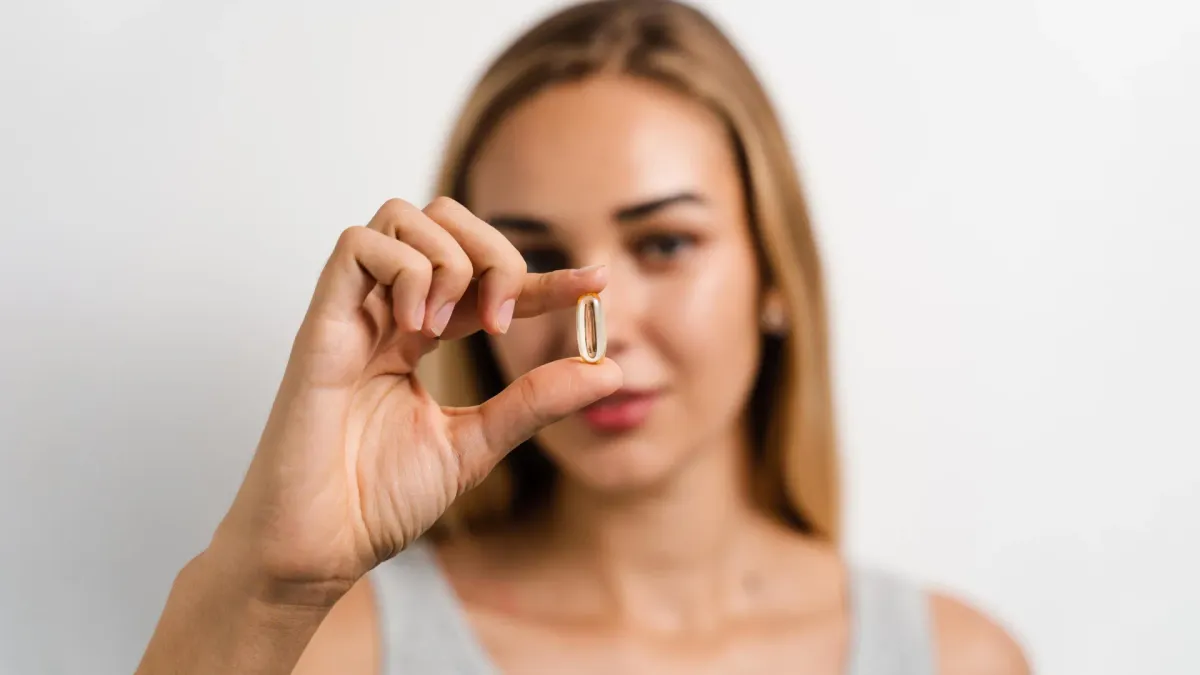
The collagen supplement industry is built on a simple promise: swallow a powder or pill, and your skin gets firmer, smoother, younger. The science says otherwise.
A recent analysis of 23 randomized controlled trials found something telling: studies funded by supplement companies tended to show collagen working. Studies funded independently did not. "While some studies suggest oral collagen supplements may improve skin hydration and elasticity, others disagree," says Farah Moustafa, MD, a dermatologist at Tufts University. "The quality of the research matters."
The core problem is basic biology. Your body breaks down collagen into amino acids during digestion—it doesn't absorb intact collagen and deliver it to your skin. Swallowing collagen doesn't work the way ads suggest. You're essentially paying for protein your body will disassemble and use like any other protein.
We're a new kind of news feed.
Regular news is designed to drain you. We're a non-profit built to restore you. Every story we publish is scored for impact, progress, and hope.
Start Your News DetoxThere's also a safety gap worth knowing about. Supplements skip the safety testing that medications undergo. Most collagen products on shelves lack third-party verification and don't clearly list what's actually inside. Marine-sourced collagen carries a particular risk: potential contamination with methylmercury, a neurotoxin. "Supplements are not checked for safety or effectiveness before entering the marketplace," Moustafa notes.
What Actually Works
If you want to preserve collagen—and slow the skin aging that comes with losing it—the evidence points to habits that feel almost boring in their simplicity. Daily sunscreen stops UV damage, which is the leading cause of collagen breakdown. Topical retinoids (prescription or over-the-counter) stimulate your skin cells to produce more collagen. Avoiding smoking protects what you have.
Diet matters too, but not through supplements. Adequate protein and foods rich in vitamin C—strawberries, kiwis, red bell peppers, citrus—give your body the raw materials to build its own collagen. Your skin can manufacture what it needs if you feed it properly and protect it from damage.
None of this is as marketable as a bottle with a celebrity endorsement. But it works. The dermatologists aren't saying this to be contrarian. They're reading the research and noticing which interventions actually hold up to scrutiny.