Researchers at the University of Sydney have identified exactly how type 2 diabetes rewires the heart's structure and energy production—findings that could reshape how doctors treat patients with both conditions.
The study, published in EMBO Molecular Medicine, examined heart tissue from transplant patients and compared it with healthy donor hearts. What they found was systematic: diabetes doesn't just stress the heart, it fundamentally alters how the organ powers itself.
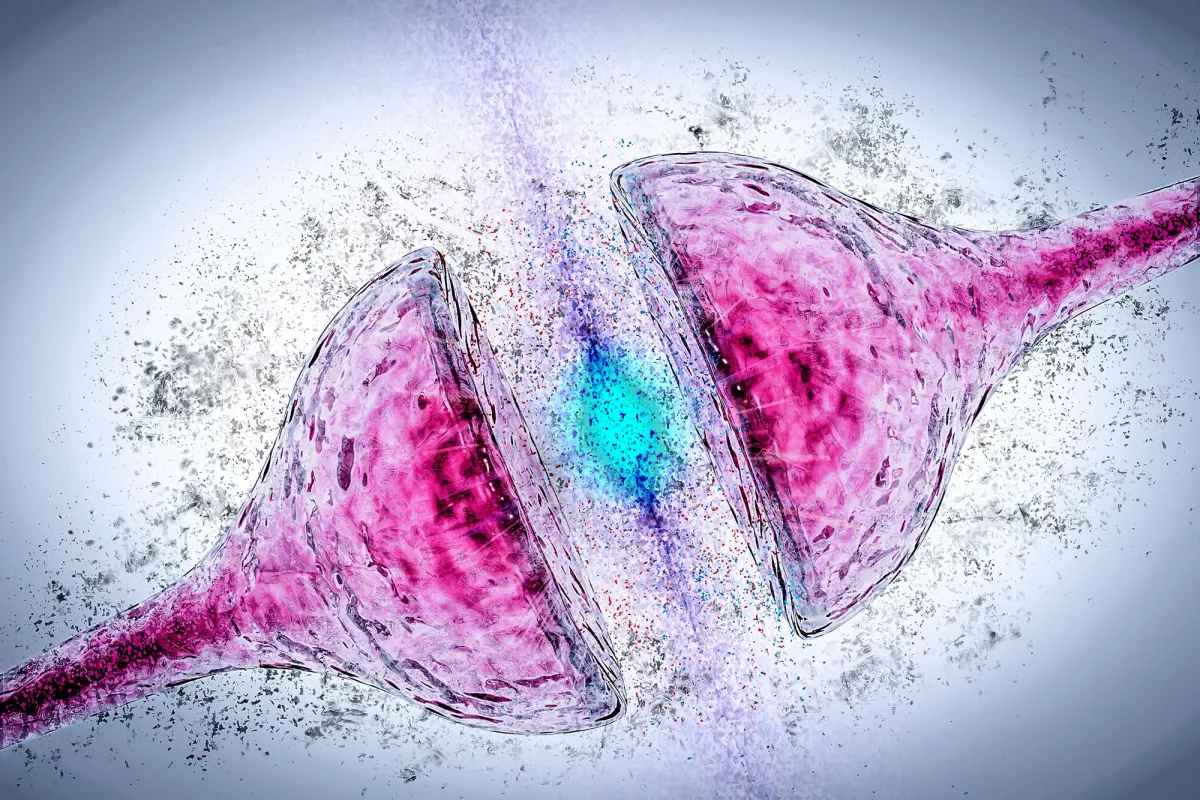
In a healthy heart, energy comes primarily from fats, with glucose and ketones playing supporting roles. But diabetes disrupts this balance by making heart cells less responsive to insulin. The result is a cascade of changes at the cellular level. Mitochondria—the tiny structures that generate energy inside cells—become stressed and less efficient. Meanwhile, the proteins that control heart muscle contractions and calcium regulation decline in production.
We're a new kind of news feed.
Regular news is designed to drain you. We're a non-profit built to restore you. Every story we publish is scored for impact, progress, and hope.
Start Your News Detox"We observed that diabetes worsens the molecular characteristics of heart failure in patients with advanced heart disease and increases the stress on mitochondria," said Dr. Benjamin Hunter, who led the research.
The structural cost
Perhaps most concerning, the team discovered that diabetes triggers excessive fibrosis—a buildup of scar-like tissue that stiffens the heart muscle and reduces its ability to pump blood effectively. In patients living with both diabetes and ischemic heart disease, this effect was particularly pronounced.
Using RNA sequencing, the researchers confirmed these changes weren't isolated incidents. The altered protein levels reflected broader shifts in gene activity, particularly in pathways controlling energy metabolism and tissue structure. The molecular picture was consistent: diabetes systematically rewires the heart's fundamental operations.
For the roughly 537 million adults living with diabetes worldwide, this research clarifies a critical vulnerability. Diabetes doesn't just increase heart disease risk—it actively transforms the organ's architecture and function.
Opening new treatment paths
The breakthrough lies in specificity. By pinpointing exactly which molecular pathways go awry, researchers can now explore targeted treatments rather than general interventions. Associate Professor Sean Lal, who co-authored the work, sees this as the bridge between discovery and clinical practice.
"Now that we've linked diabetes and heart disease at the molecular level and observed how it changes energy production in the heart while also changing its structure, we can begin to explore new treatment avenues," he said. "Our findings could also be used to inform diagnosis criteria and disease management strategies across cardiology and endocrinology, improving care for millions of patients."
The next phase involves translating these molecular insights into therapies that either restore the heart's energy efficiency or prevent the structural changes from occurring in the first place. For patients managing both conditions, that could mean interventions tailored to the actual mechanisms driving their disease—rather than treating diabetes and heart disease as separate problems.