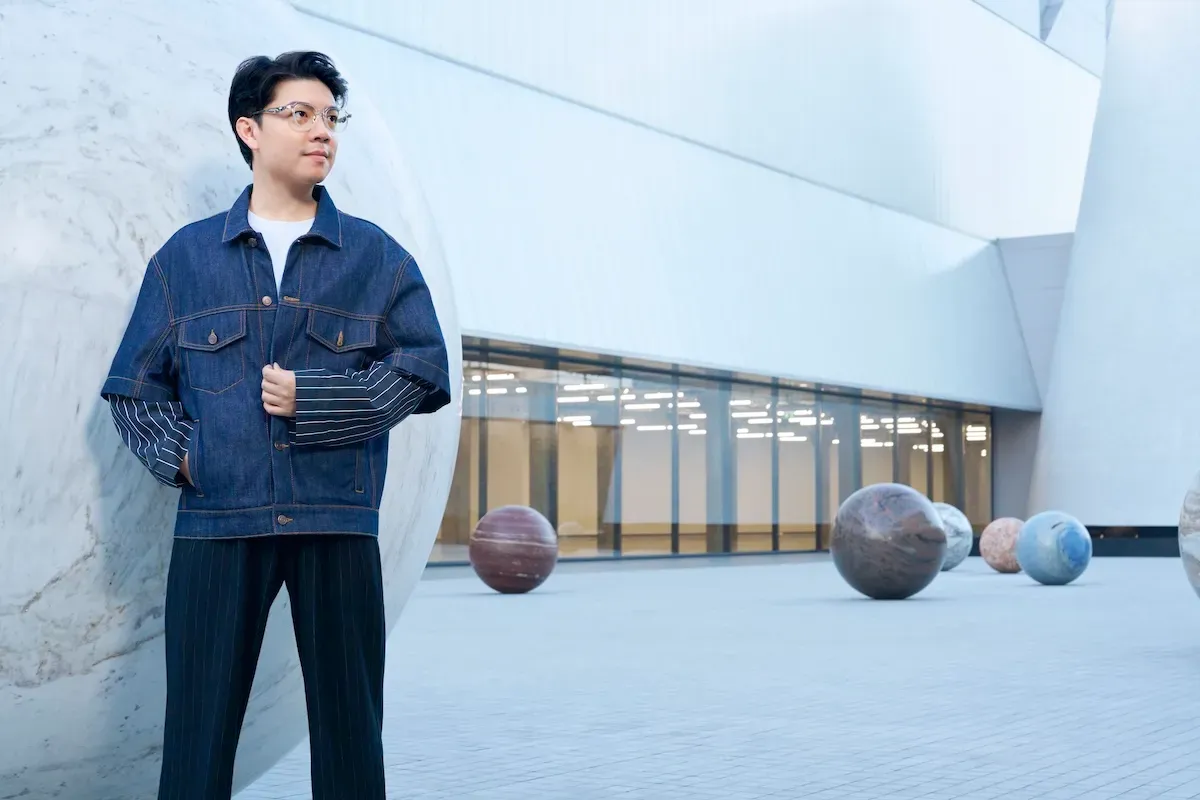
On December 20, a hundred guests gathered in Bangkok for the opening of Dib Bangkok, positioned as Thailand's first international-standard contemporary art museum. For most people in the country, seeing contemporary art of this caliber meant getting on a plane. Now it doesn't.
The museum was founded by Petch Osathanugrah, once one of Thailand's most prominent industrialists and a collector with over 1,000 artworks. His son, Purat "Chang" Osathanugrah, completed the project after his father's death in 2023 and now serves as chairman.
"In the past, for an average person in Thailand to see international contemporary art of this caliber, they would have to hop on a plane, book a hotel, and pay a premium to visit museums abroad," Chang said at the opening. The museum changes that calculation entirely.
We're a new kind of news feed.
Regular news is designed to drain you. We're a non-profit built to restore you. Every story we publish is scored for impact, progress, and hope.
Start Your News DetoxThe inaugural exhibition, titled "(In)visible Presence," features 81 works by 40 artists drawn from the museum's holdings. It opens with a moment that stunned the audience: Chang took a baseball bat to a white wall as part of Marco Fusinato's Constellations (2015–2025), a work that reaches completion only through physical engagement. As the bat struck, hidden speakers unleashed a massive sound—a literal and metaphorical opening for Thailand's newest cultural landmark.
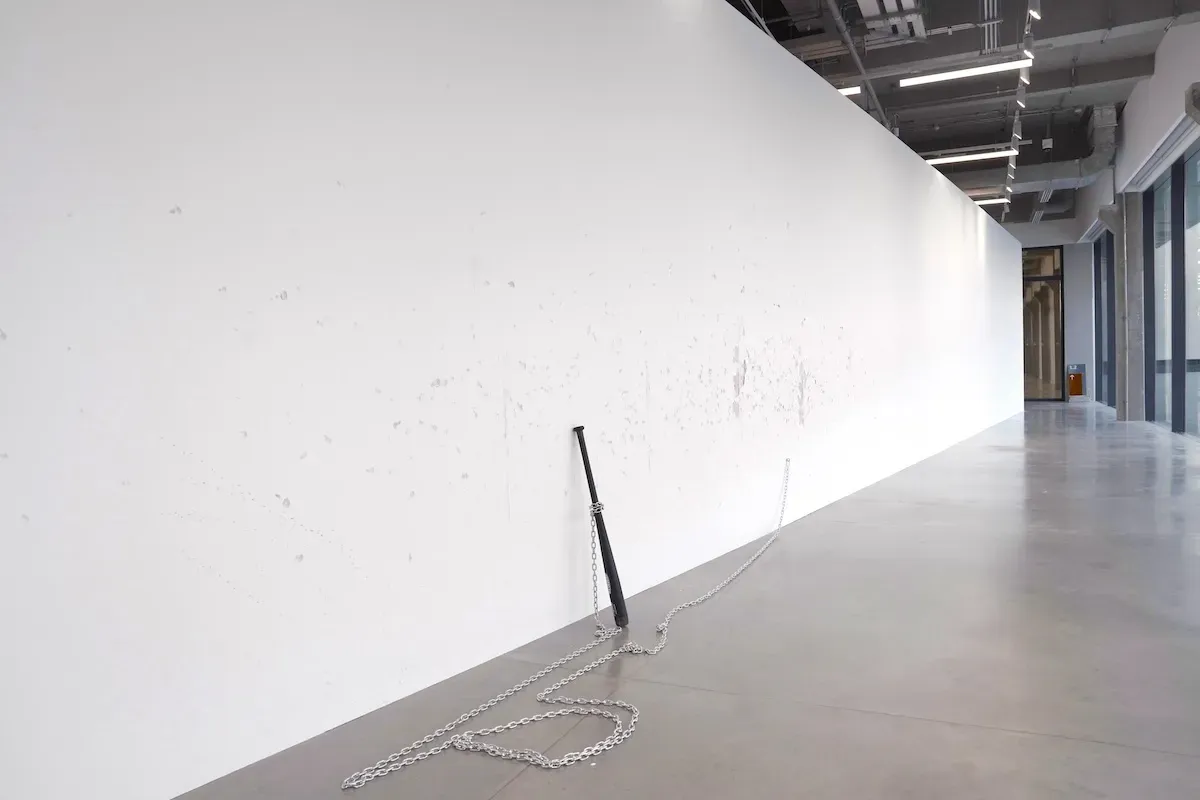 Photo Wikran Poungput/Courtesy Dib Bangkok
A collection shaped by conversation
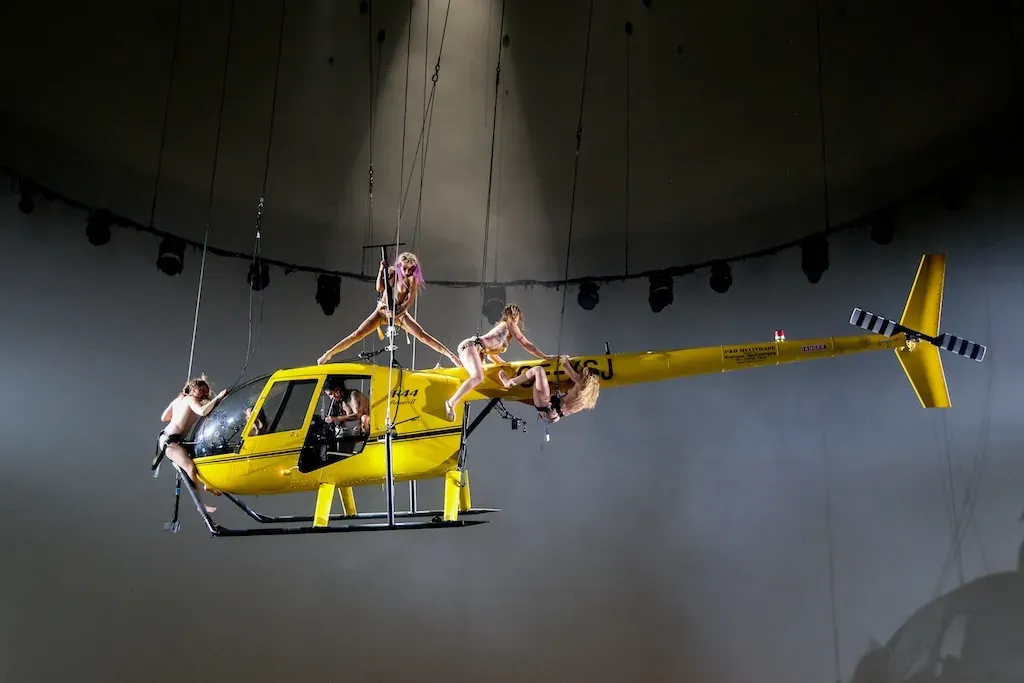
Nearly half the museum's acquisitions were made by Chang and his father beginning in 2015, born from informal conversations. "We would discuss which works were most compelling over the dining table, coffee, or a drink at the bar," Chang said. Drawing from a shared musical lineage, the museum emphasizes sensory interaction. Many featured works eschew static observation in favor of audience engagement or integrated soundscapes.
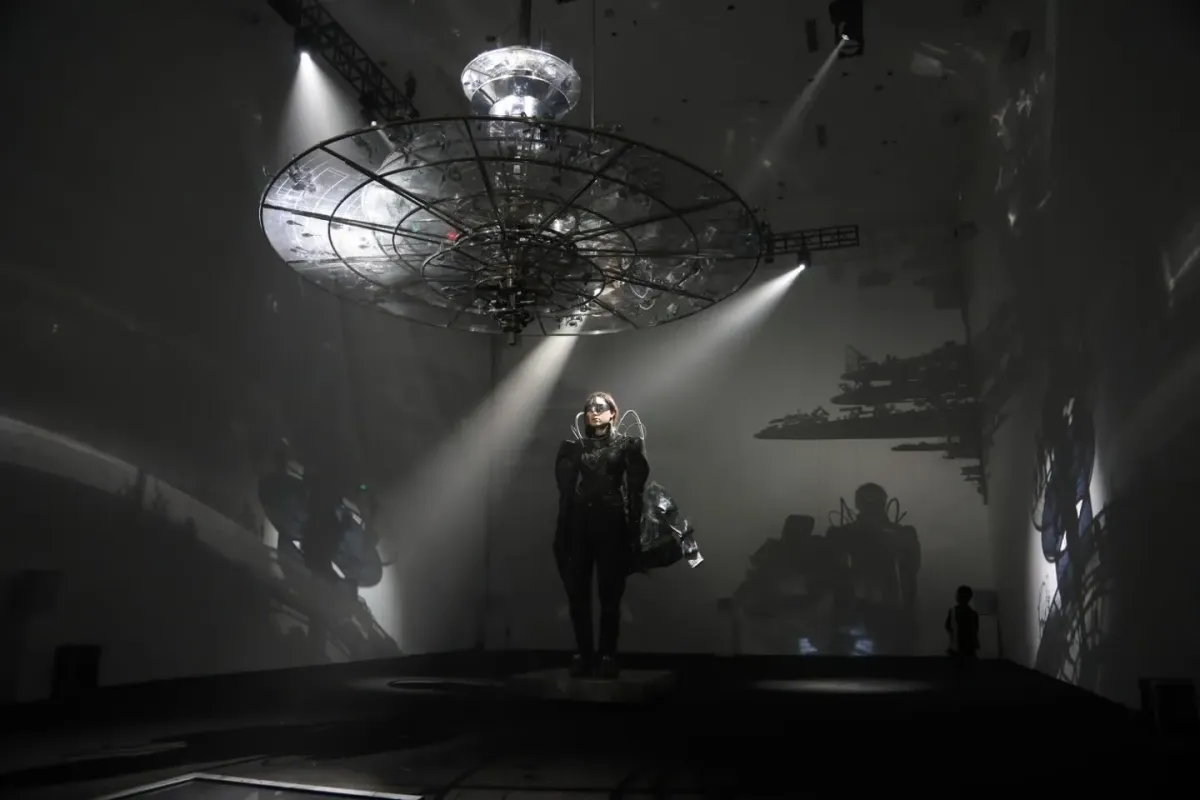
Korean artist Jinjoon Lee's Daejeon, Summer of 2023 exemplifies this approach. Lee painted daily onto vinyl records throughout summer 2023; in the installation, a turntable uses a camera sensor instead of a stylus to "read" the visual data. Custom AI then translates the artist's memories into real-time sound—mimicking the muhyeon-geum, a Korean concept of a stringless zither representing a state of mind so elevated that physical sound becomes unnecessary.
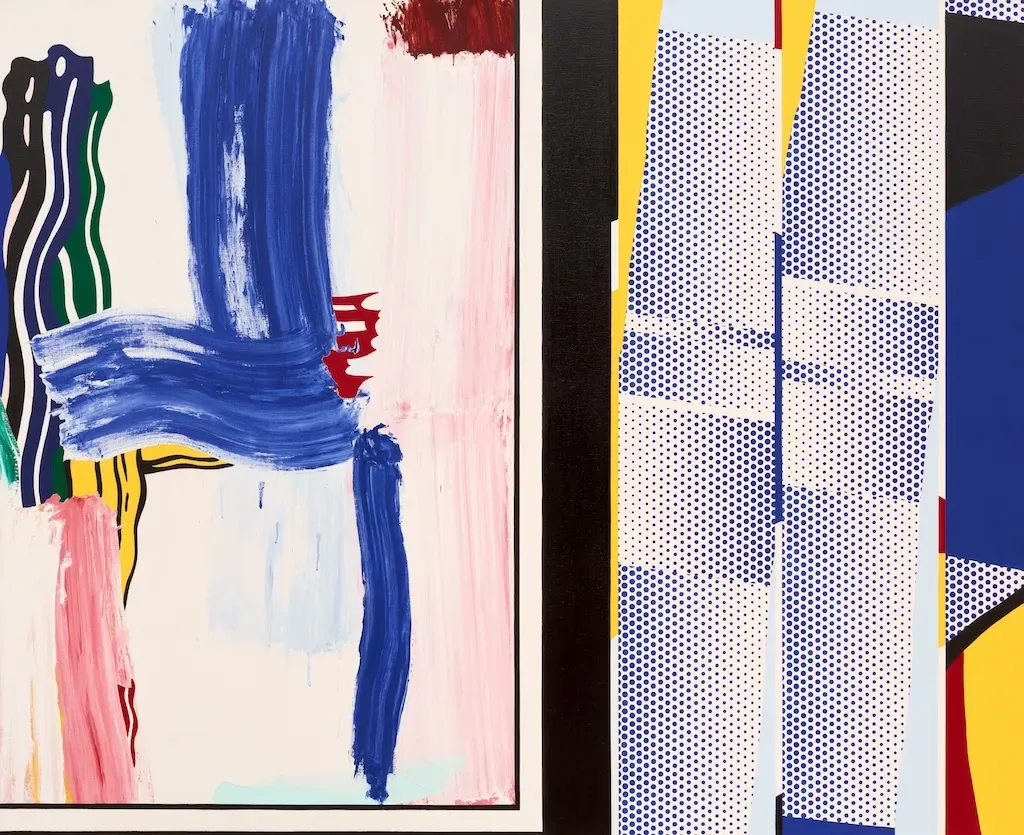
The curators deliberately juxtaposed internationally celebrated figures with Thai artists to afford them equal critical weight. A fabric sculpture by Louise Bourgeois is paired with an installation by Thai artist Navin Rawanchaikul, whose work There Is No Voice is a landmark of the Chiang Mai Social Installation movement. The third floor is dedicated to a dialogue between Anselm Kiefer and Montien Boonma, whom Chang describes as an "unsung hero" of Thai contemporary art.
Kiefer's The Lost Letter features a Heidelberg printing press as its gravitational center, with resin-cast sunflowers towering more than 23 feet high. Montien Boonma's seminal 1992 installation Lotus Sound—originally shown at the inaugural Asia-Pacific Triennial in 1993—is presented here for the first time exactly as intended, with 500 bells creating the immersive environment the artist envisioned decades ago.
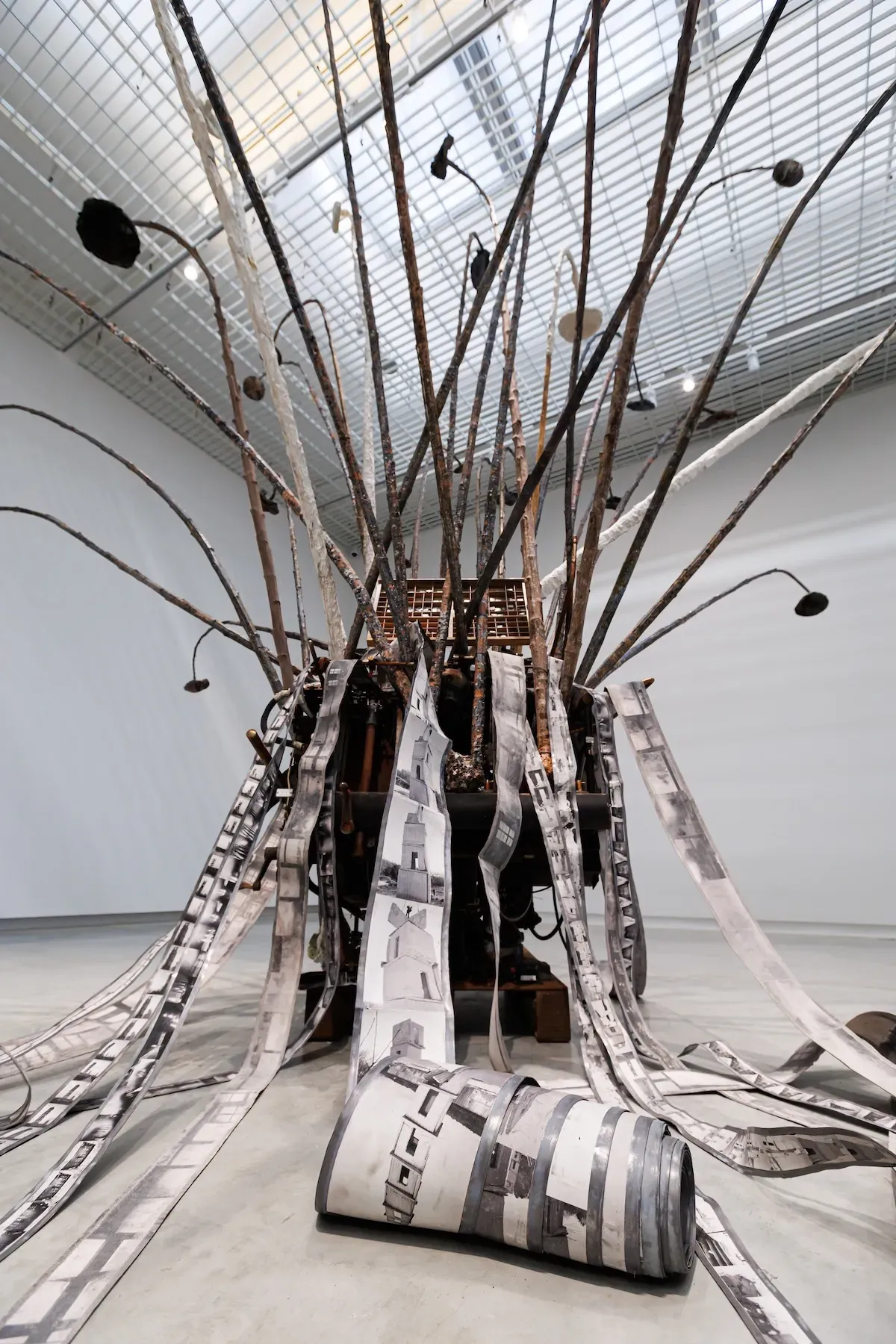 Photo Auntika Ounjittichai/Courtesy Dib Bangkok
A shifting landscape
Dib Bangkok's arrival signals growing private sector patronage of Thailand's art scene. The Bangkok Art Biennale, founded in 2018 with support from ThaiBev, has expanded into a citywide celebration. In 2022, Bangkok Kunsthalle opened in a repurposed Brutalist building. Central Group is preparing to launch deCentral, a social enterprise focused on exhibitions and cross-disciplinary collaborations between Bangkok and Chiang Mai.
International galleries are taking notice. Harper's, the New York-based gallery, is opening its first international outpost in Bangkok this April. "The transformation of the Thai art scene will be one of the biggest art stories of 2026," Harper Levine told ARTnews after hosting a successful pop-up exhibition in Bangkok last year.
Yet beneath the momentum, questions linger about sustainability. Several prominent local galleries noted a cooling business climate throughout 2025. Gridthiya Gaweewong, artistic director at the Jim Thompson Art Center, pointed to inconsistent government policies as a barrier. Tax relief measures for collectors and artists announced last August have yet to be fully implemented. "The problem in Thailand is a lack of policy sustainability," she said. "Successive administrations often don't want to continue the work of their predecessors."
In the absence of consistent state support, the private sector is stepping in. SAC Gallery is transitioning into a foundation this February and launching an English-language platform to give international audiences better access to Thai artists' scholarship and narratives.
For Chang, Dib Bangkok represents an opportunity to expand his father's vision. "Our mission is not merely to collect; it is to support living artists and to conserve. Ultimately, we are here to tell the stories of the creative forces shaping our world today."