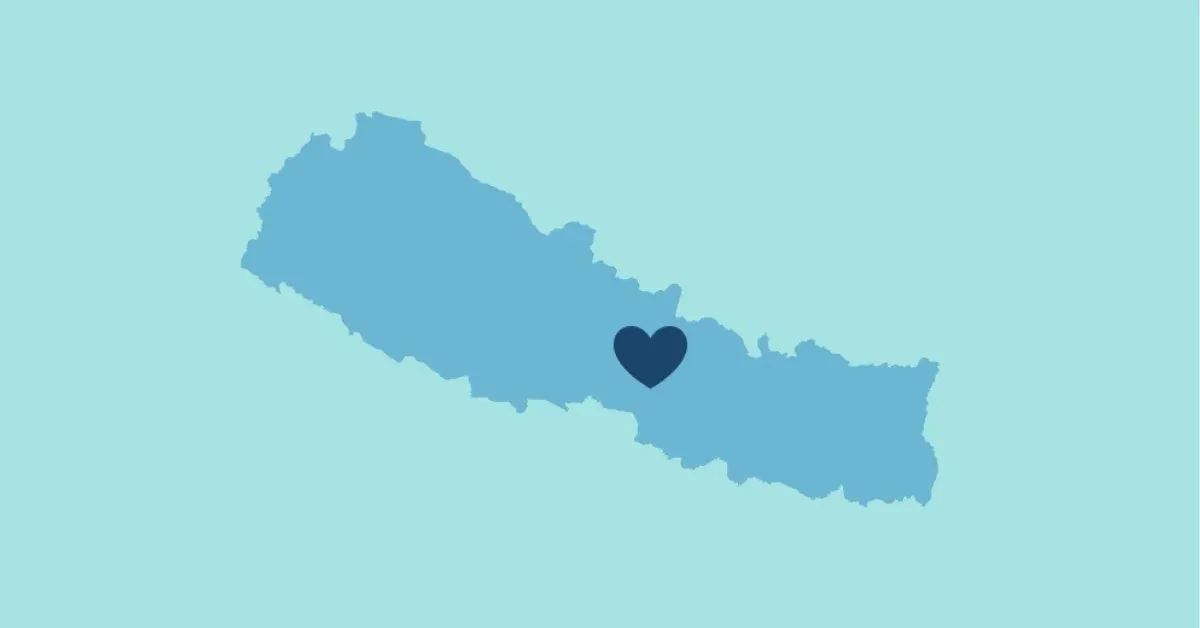
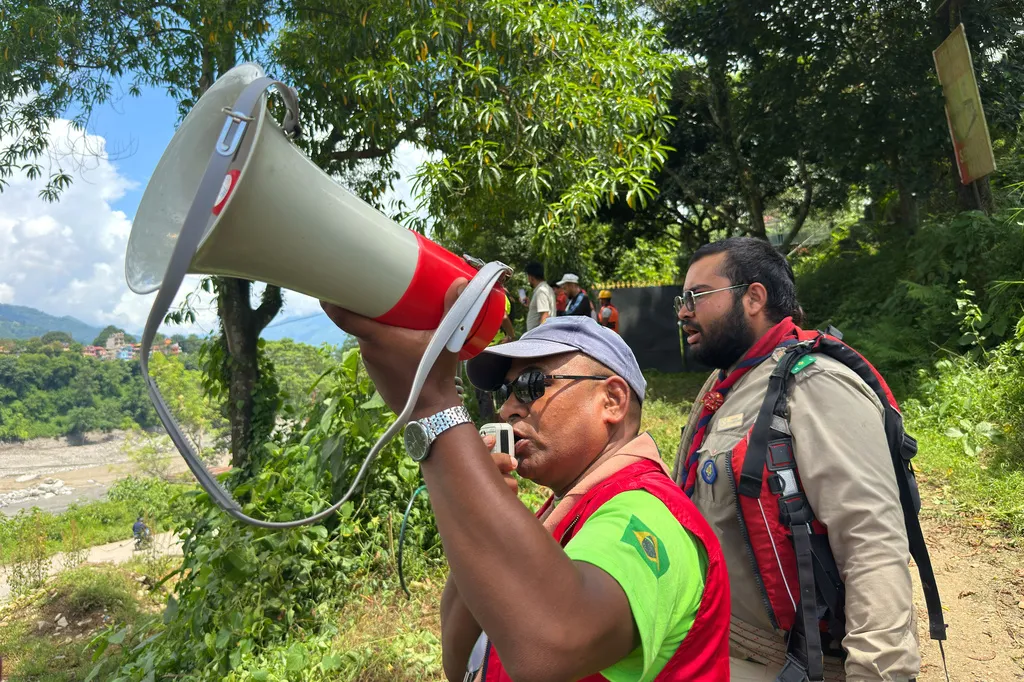
When Rajendra Dawadi, a head teacher in Nepal, got urgent calls on August 26, it wasn't about a pop quiz. It was about a flood, barreling toward Tribhuvan Trishuli Secondary School. He had 900 students to move. He moved them.
Ten minutes later, the flood hit. The school was empty. Afterward, it was buried in debris, just a sliver of roof visible. It turns out, two warning systems were in play that day: a fancy state-built one with sensors and texts, and a decidedly less fancy, community-based system.
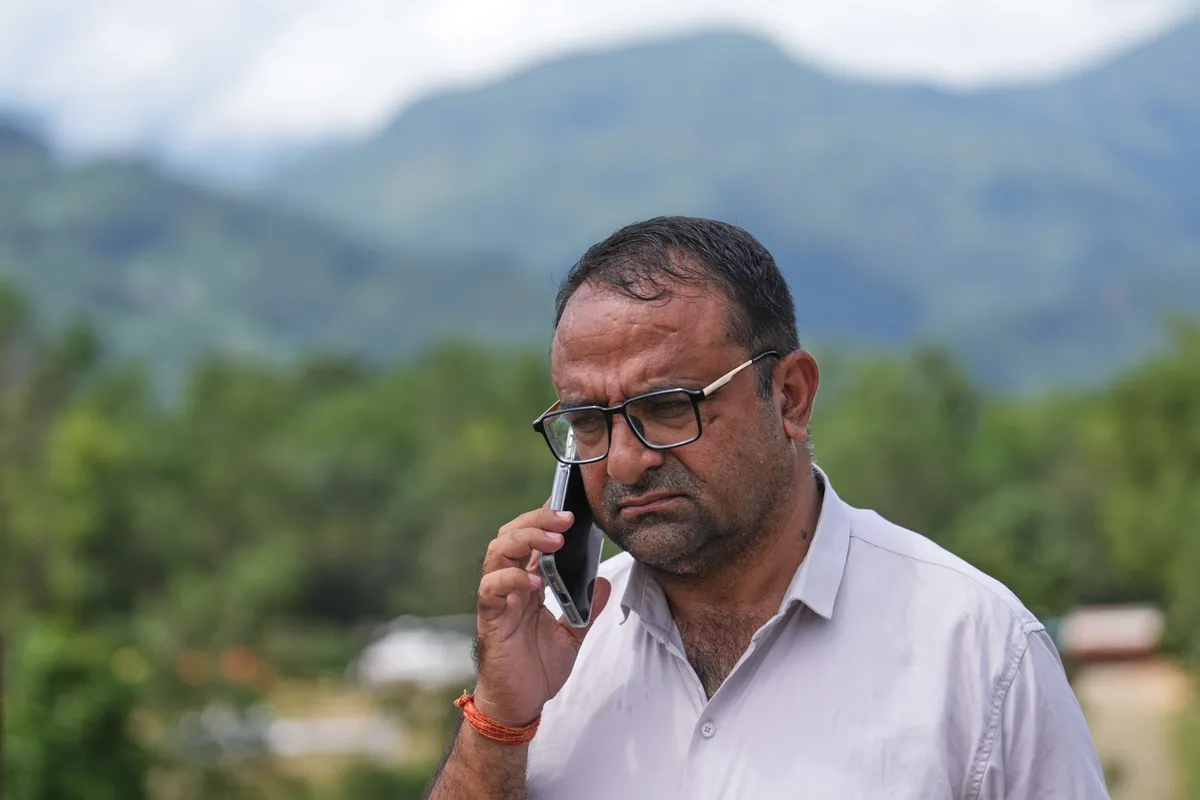
Guess which one got the job done? The community system, often delivering warnings first, saved countless lives, including Dawadi's quick-thinking students.
We're a new kind of news feed.
Regular news is designed to drain you. We're a non-profit built to restore you. Every story we publish is scored for impact, progress, and hope.
Start Your News DetoxNot everyone was so lucky. By September 3, the National Disaster Risk Reduction and Management Authority (NDRRMA) reported 1,252 people dead, 4,216 missing, and a staggering 1.6 million affected across five districts. A stark reminder that even with warnings, disaster still finds its targets.
The Unsung Heroes of the Warning System
Communication researcher Bhuwan KC observed that some upstream areas received zero information. Others got messages that were less "run for your life" and more "it might rain later." Near the Chinese border, events unfolded so fast — seven minutes flat — that sensors were knocked out instantly. Because apparently, even technology has its limits when faced with a really bad day.
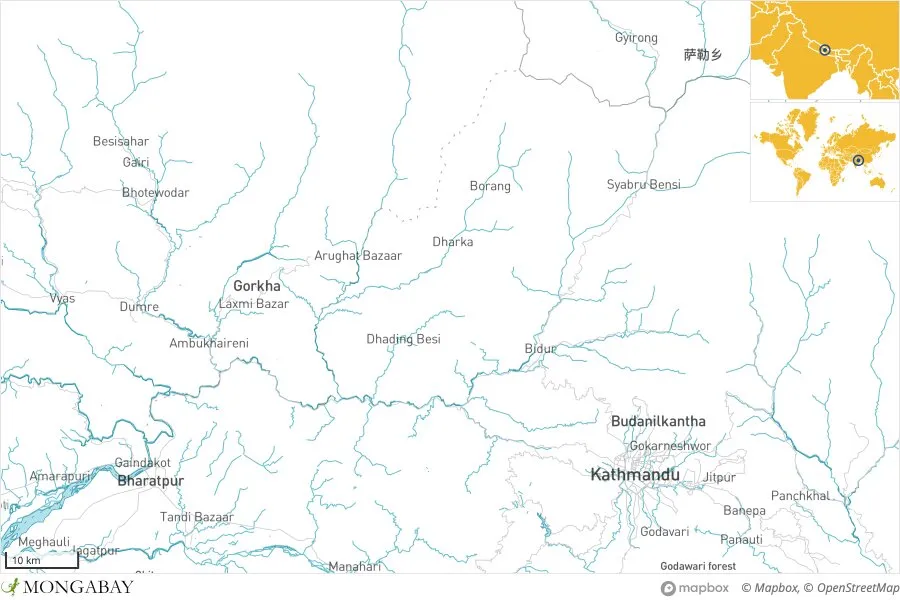
Further downstream, in places like Trishuli Bazaar and Betrawati, people did get warnings. The key difference? The speed and clarity of that community network. It's a testament to the power of neighbors looking out for neighbors, proving that sometimes, the best tech isn't tech at all.