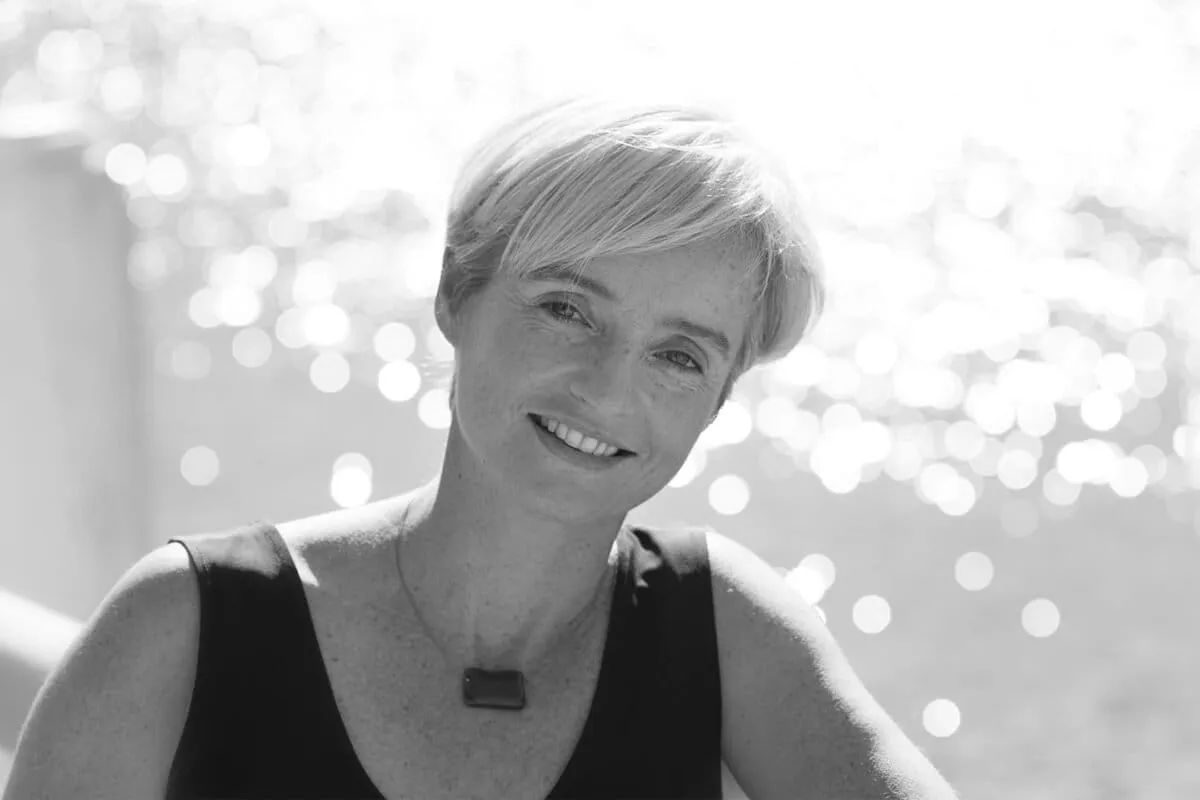
Emma Johnston died in December 2025 at 52, leaving behind a rare kind of legacy: she made science matter outside the lab. Not by dumbing it down, but by refusing to let it stay locked away.
Johnston was a marine ecologist who spent her career studying how human activity reshapes coastal ecosystems—from urban harbors to Antarctica. But she became known for something else: the conviction that evidence only matters if someone, somewhere, can understand it and act on it. In an era of misinformation and political noise, she became one of Australia's most visible scientific voices, not through sensationalism, but through clarity.
"Scientists had to stop pretending evidence can defend itself," she argued. Instead, they needed to become "sifters and sorters" in a media environment full of noise. It sounds simple. It wasn't. It meant Johnston had to move between two worlds—the rigor of peer review and the messiness of public conversation—without compromising either.
We're a new kind of news feed.
Regular news is designed to drain you. We're a non-profit built to restore you. Every story we publish is scored for impact, progress, and hope.
Start Your News DetoxFrom Research to Institutional Leadership
Her influence grew steadily. She built influential research programs at the University of New South Wales and the University of Sydney, studying how human impacts reshape marine and coastal systems. She became president of Science & Technology Australia, helping launch the Superstars of STEM program and pushing the visibility of women and non-binary scientists in fields where they remain underrepresented.
In 2025, she became vice-chancellor of the University of Melbourne—the institution where she'd earned her PhD in marine ecology decades earlier. The role was brief: she held it for 11 months before her death. But even in that short span, she pressed a new institutional strategy centered on resilience and leaned into student concerns that other leaders might have treated as peripheral. By accounts from peers and the university, she worked almost until the end, driven by a deep love of science and a desire to protect the ecosystems she'd spent her career studying.
What Australian Science Lost
What made Johnston unusual wasn't that she moved between research and leadership—many scientists do. It was that she refused to treat these roles as separate. She didn't translate science by simplifying it into slogans. She spoke plainly about uncertainty and consequence, which is harder and rarer.
Australian science lost someone who could move easily between data and people without flattening either. In a moment when institutions are struggling to communicate about complex, urgent problems—climate change, biodiversity loss, pandemic preparedness—that loss is felt acutely.