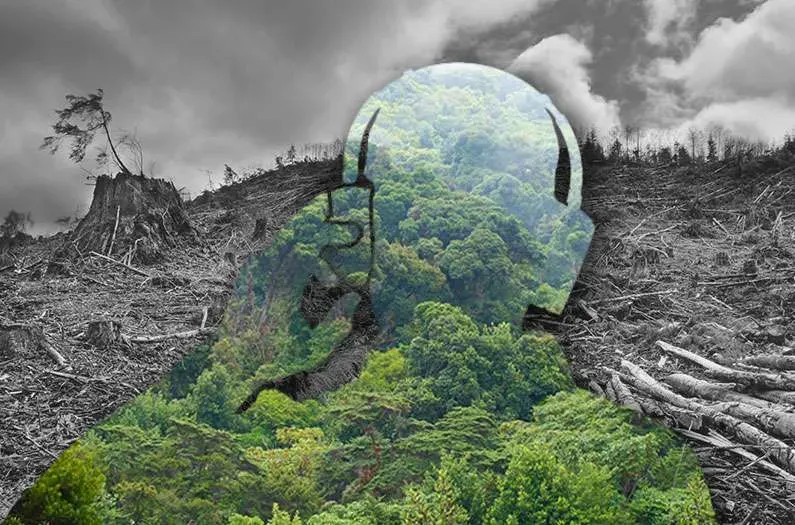
The people who died this year protecting forests, rivers, and species rarely made headlines while they were alive. Yet their choices shaped the future of the places they defended.
They were called conservationists, scientists, activists, defenders — labels that fit but don't quite capture what they shared. What united them was a posture: they stood between something living and the forces wearing it down. Forests. Rivers. Species. Sometimes entire ways of life. They did so for decades, usually without much recognition and often at personal cost.
Some names are widely known. Others mean little to most readers. That gap matters. Public memory tends to favor visibility over impact, and charisma over endurance. Yet many of the most consequential figures in environmental protection work far from cameras and conferences. They negotiate land boundaries, calm conflicts, train rangers, translate science for communities, or simply stay when leaving would be easier. Their influence is cumulative, and it rarely lends itself to headlines.
We're a new kind of news feed.
Regular news is designed to drain you. We're a non-profit built to restore you. Every story we publish is scored for impact, progress, and hope.
Start Your News DetoxThe arc of commitment
Writing about death has a clarifying effect. Obituaries strip away what is temporary. What remains is a record of choices. Again and again, the lives documented this year followed a similar pattern: an encounter with a place or species, a long commitment to its survival, and years of persistence within systems that were often indifferent or hostile. Success, where it came, was partial. Failure was common. Quitting was rare.
These were people who chose to stay. In regions where environmental work carries real danger — where defending a forest can mean standing against illegal logging operations, or where protecting a river means challenging powerful interests — that choice is profound. They knew the risks. Many faced threats. Some faced worse.
What their deaths illuminate is not just loss, but a pattern of dedication that shapes conservation on the ground. The ranger training programs that continue. The land agreements that hold. The species counts that persist because someone stayed long enough to build the systems that would outlast them. The communities that learned to advocate for their own forests because someone took the time to translate science into local language and context.
These are the architects of persistence — people whose work compounds over years in ways that rarely fit into a single news cycle. Their absence will be felt most acutely by the places and people they worked with directly. But their choices, and the networks they built, continue to hold ground in some of the world's most threatened ecosystems.