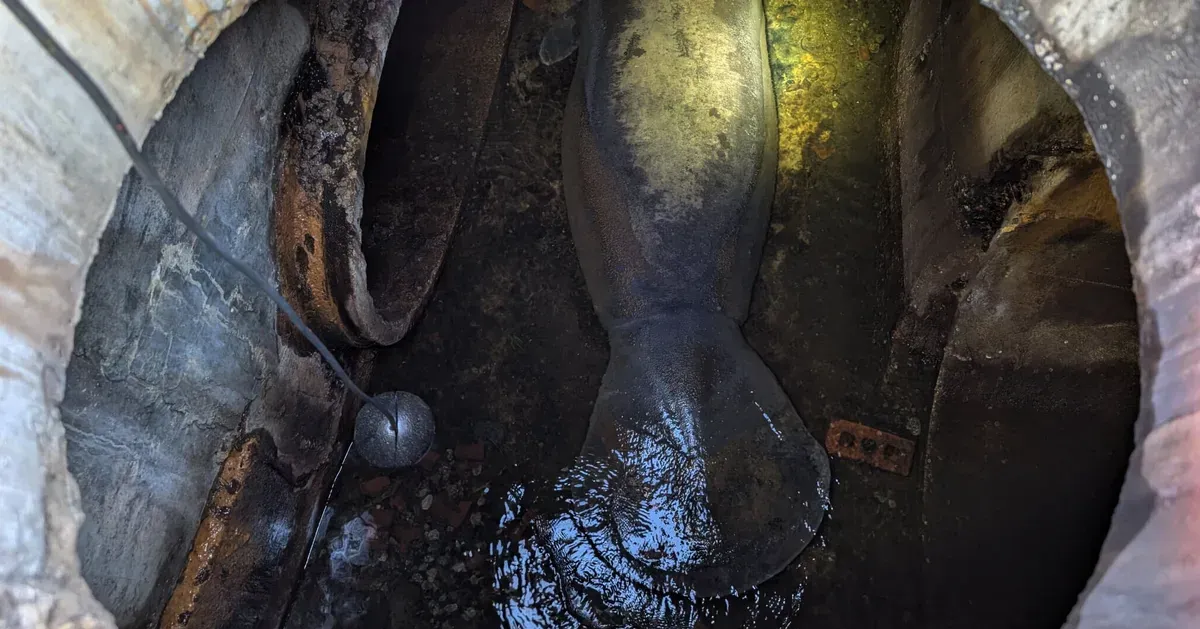
A 410-pound manatee pulled from a Florida storm drain this week is breathing on his own, eating again, and learning to trust the humans helping him survive.
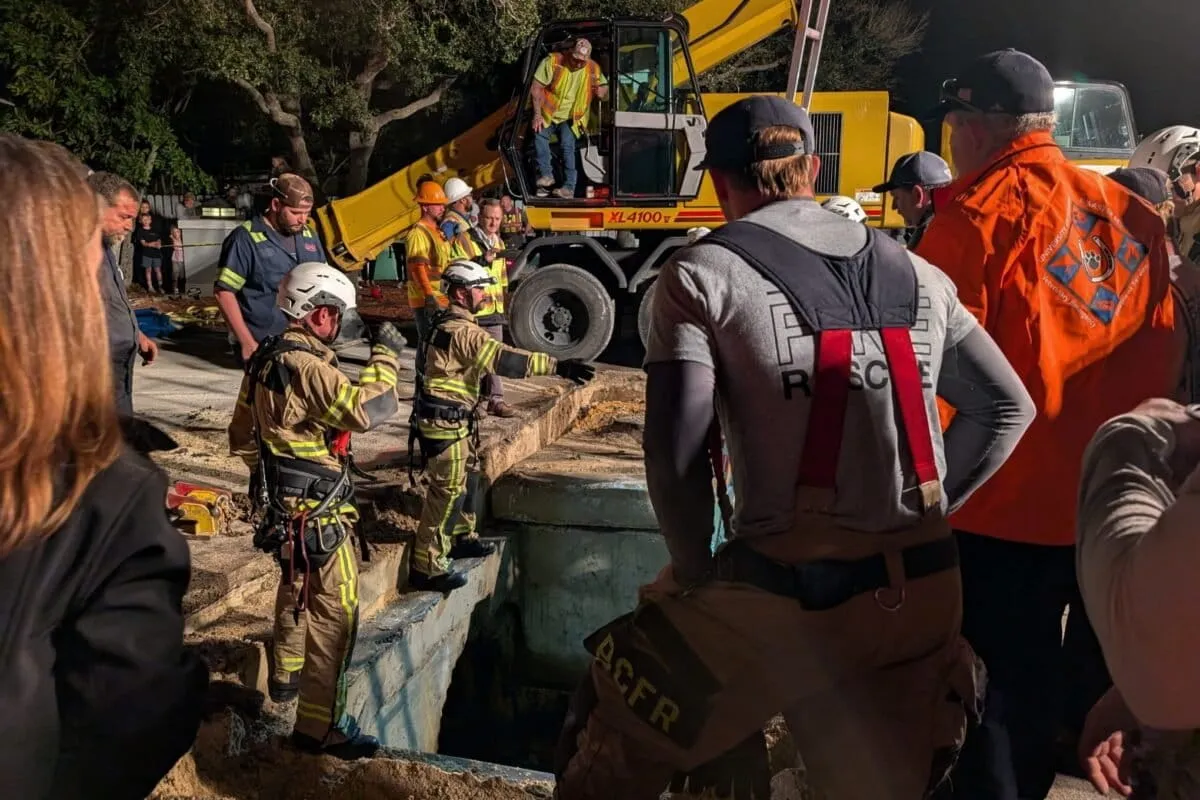
The male manatee got trapped in a baffle box—a compartment within Melbourne Beach's storm drain system—while searching for warmer water, a seasonal instinct that sometimes leads these slow-moving creatures into dangerous places. A surveyor working on drain improvements spotted him Tuesday and called for help. Within hours, fire rescue crews, Florida Fish and Wildlife officials, and even a wrecker service had assembled to extract him safely.
He's now at SeaWorld Orlando's medical facility, where staff are managing his buoyancy in specially adjusted pools and monitoring his appetite as he regains strength. The rescue itself was straightforward enough, but what happens next matters more: this manatee is one of thousands still recovering from the starvation crisis that devastated Florida's population.
We're a new kind of news feed.
Regular news is designed to drain you. We're a non-profit built to restore you. Every story we publish is scored for impact, progress, and hope.
Start Your News DetoxThe Hunger That Changed Everything
In 2021, something broke. Over 1,100 manatees died that year, most from starvation. The seagrass beds they depend on had vanished—killed by algal blooms and pollution—leaving these gentle herbivores with nothing to eat. The death toll was the highest on record, a stark reminder of how fragile their survival is when their habitat fails.
But the trajectory has shifted. Last year, Florida recorded 555 manatee deaths. In 2024, that number fell to 565. It's not a return to safety—these are still historically high numbers—but the downward trend suggests that efforts to restore seagrass and reduce other threats are beginning to take hold. Every rescued manatee like this one represents not just an individual saved, but proof that intervention works.
SeaWorld's rehabilitation program exists precisely for moments like this: to stabilize injured or malnourished animals and return them to the wild once they're healthy enough. The goal is always release, never captivity. For this manatee, that means weeks or months of careful feeding, physical therapy through swimming, and gradual preparation for life back in Florida's coastal waters—waters that are slowly, incrementally becoming safer than they were three years ago.