

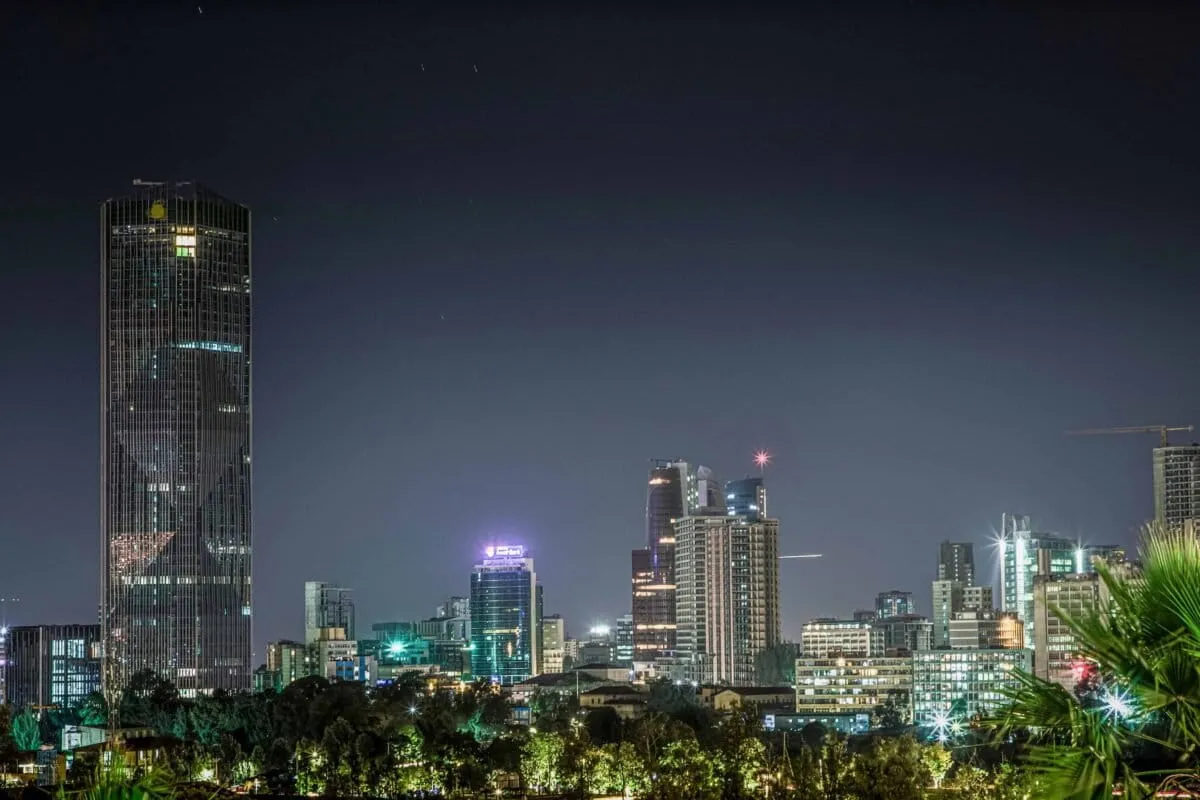
Ethiopia's capital, Addis Ababa, is set to be formally announced on November 18 as host of COP32, the 2027 UN climate conference. It's a significant moment: the last time Africa hosted the annual climate summit was five years ago in Egypt, and historically, the continent has hosted far less often than its share of the global negotiation burden would suggest.
Since 1995, when the first COP convened, Africa has hosted just five times—despite representing roughly one-fifth of the UN's regional groups. This hosting assignment changes that equation, at least for one year.
"As host of the next COP, Ethiopia now has a vital platform to amplify African voices and priorities, particularly around adaptation finance, renewable energy access, and climate justice," said Mohamed Adow, director of the think tank Power Shift Africa. The stakes are real: African nations carry disproportionate climate risk despite contributing far less to the emissions driving the crisis.
We're a new kind of news feed.
Regular news is designed to drain you. We're a non-profit built to restore you. Every story we publish is scored for impact, progress, and hope.
Start Your News DetoxThe annual COPs rotate among five UN regional groups—Western Europe, Africa, Asia-Pacific, Eastern Europe, and Latin America and the Caribbean. Each region proposes a candidate, the COP considers the options, and the UNFCCC Secretariat conducts a fact-finding mission to verify the host is equipped to manage the event. Addis Ababa, already home to the African Union headquarters, has existing infrastructure and diplomatic experience.
What makes this hosting assignment meaningful goes beyond logistics. Adow notes it could "spotlight Africa's capacity for innovation and its determination to move from vulnerability to strength in the face of global climate disruption." In practice, that means the 2027 talks could center adaptation—how countries prepare for climate impacts already locked in—rather than letting wealthier nations dominate the agenda with their own mitigation priorities. It also means African solutions, from agroforestry to off-grid solar networks to water management innovation, get a hearing at the global table.
The decision arrives as climate finance remains one of the deepest fractures in international climate negotiations. Wealthy nations committed to helping poorer countries adapt and transition away from fossil fuels, but funding has consistently fallen short. A platform in Addis Ababa gives African negotiators leverage to push those commitments harder, with the world's media and political attention focused on their continent.
The formal announcement on November 18 is expected, though the UNFCCC Secretariat's verification process will follow. By 2027, the world will have lived through three more years of climate impacts, three more rounds of climate talks, and hopefully, three more years of renewable energy expansion and adaptation projects taking root across the continent.





