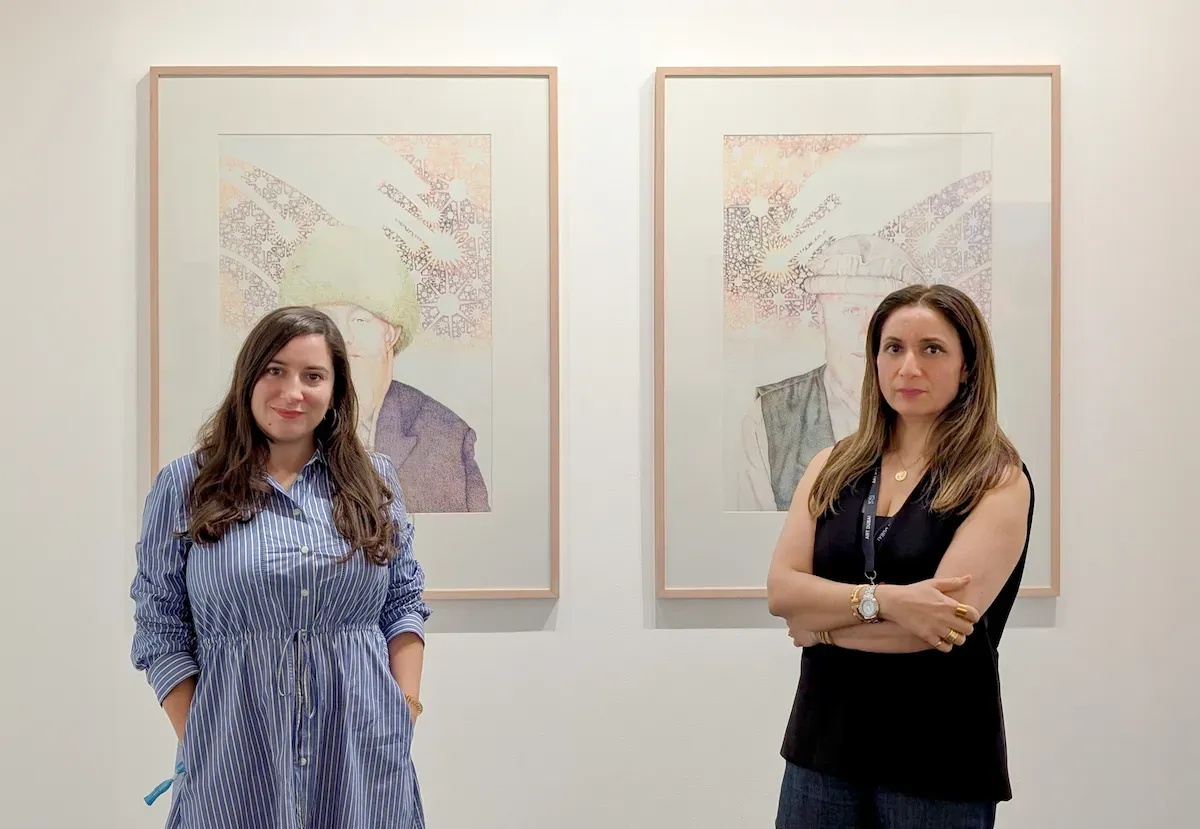
Artist Faiza Butt will represent Pakistan at the Venice Biennale, bringing a deeply personal reckoning with one of the 20th century's most consequential borders to one of the art world's largest stages.
Butt, who was born in Lahore and now works in London, will exhibit work exploring the Punjab region—split between India and Pakistan during the 1947 Partition. The exhibition, curated by Beatriz Cifuentes Feliciano, arrives as global conversations about borders, displacement, and cultural inheritance have become impossible to ignore. For Butt, the Venice platform offers a chance to center a story that often gets flattened into historical abstraction: what it means to inherit a geography that no longer exists as you remember it.
Restitution Gains Real Ground
While artists like Butt work to reclaim narratives, governments are finally moving on the material question of cultural return. France's Senate has adopted a bill to facilitate the restitution of art looted during the colonial era—a step toward Emmanuel Macron's 2017 promise to return African cultural heritage to the continent. French senator Catherine Morin-Desailly framed it carefully: "The idea is not to empty French museums, but to achieve authenticity in France's response, without denial or repentance, but in recognition of our history."
We're a new kind of news feed.
Regular news is designed to drain you. We're a non-profit built to restore you. Every story we publish is scored for impact, progress, and hope.
Start Your News DetoxSwitzerland has moved even faster. The government appointed former president Simonetta Sommaruga to head an independent panel examining claims related to artworks looted during the Nazi era and colonial period. "After more than 25 years of debate and delay, we have moved beyond words and into action," said Andrea Raschèr, formerly of the Swiss culture ministry's legal affairs department.
These aren't symbolic gestures. They're institutional machinery finally turning toward accountability—slowly, yes, but visibly. The question now is whether other nations follow, and whether these frameworks actually move objects back to their origins or simply create the appearance of progress.
Other Notes
Esther Bell becomes the first woman to lead the Clark Art Institute in its 70-year history, stepping up from her role as deputy director and chief curator. Houston's FotoFest Biennial announced commissions for 2026, including work by Lola Flash and local artists Shavon Aja Morris and André Ramos-Woodard. And in Miami, luxury condos branded with Frida Kahlo's name have hit the market, with renderings showing a 14-story tower bearing a giant image of the artist—a project due to complete in 2028 with the blessing of the Frida Kahlo Corporation, which will oversee a curated art collection on the property.