Starting in 2027, families won't have to choose between affording hospital visits and paying for groceries. England's government is setting aside £10 million annually to cover travel costs for children and young people with cancer up to age 24—a shift that addresses one of the hidden financial crises families face during treatment.
The Hidden Cost of Treatment
When a child is diagnosed with cancer in England, they're referred to one of 13 specialist centers scattered across the country. That geography comes with a price. Research shows families spend around £250 monthly just getting to appointments. Some go into debt. Others cut back on essentials or one parent stops working entirely, compounding the financial strain beyond the medical crisis itself.
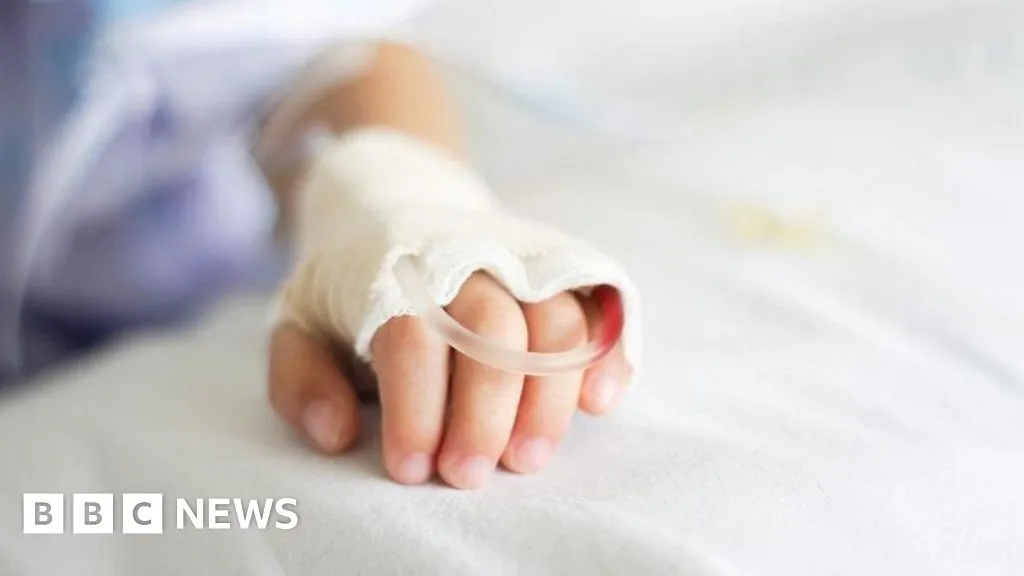
Emma Wilding knows this intimately. When her baby, Theo, was diagnosed with an aggressive blood cancer at four months old, he needed seven weeks of treatment at Alder Hey Hospital. Her husband made the 90-minute drive back and forth from their home repeatedly. "It's really expensive," Emma says. "Finances is the last thing you want to think about when you are going through a tough time."
We're a new kind of news feed.
Regular news is designed to drain you. We're a non-profit built to restore you. Every story we publish is scored for impact, progress, and hope.
Start Your News DetoxCharities have been pushing for this for years. Young Lives vs Cancer and the Teenage Cancer Trust documented families spiraling into debt, rationing meals, and sacrificing work to manage both care and costs. The new scheme acknowledges what should have been obvious: when your child has cancer, you shouldn't have to worry about affording the journey to save their life.
Part of a Larger Shift
The travel support is being woven into England's broader cancer strategy, which aims to reduce waiting times, catch cancers earlier, and improve survival rates. UK cancer survival lags behind other wealthy nations—a gap the government is framing as an opportunity to reset how cancer care works.
Alongside travel coverage, the government is also committing to better hospital play facilities and expanded psychological support. Emma Wilding describes what this means in human terms: "like having an arm around you" when everything else feels impossible.
Rachel Kirby-Rider of Young Lives vs Cancer calls it "a huge step forward." It won't solve cancer. But it removes one barrier that shouldn't have existed in the first place.