
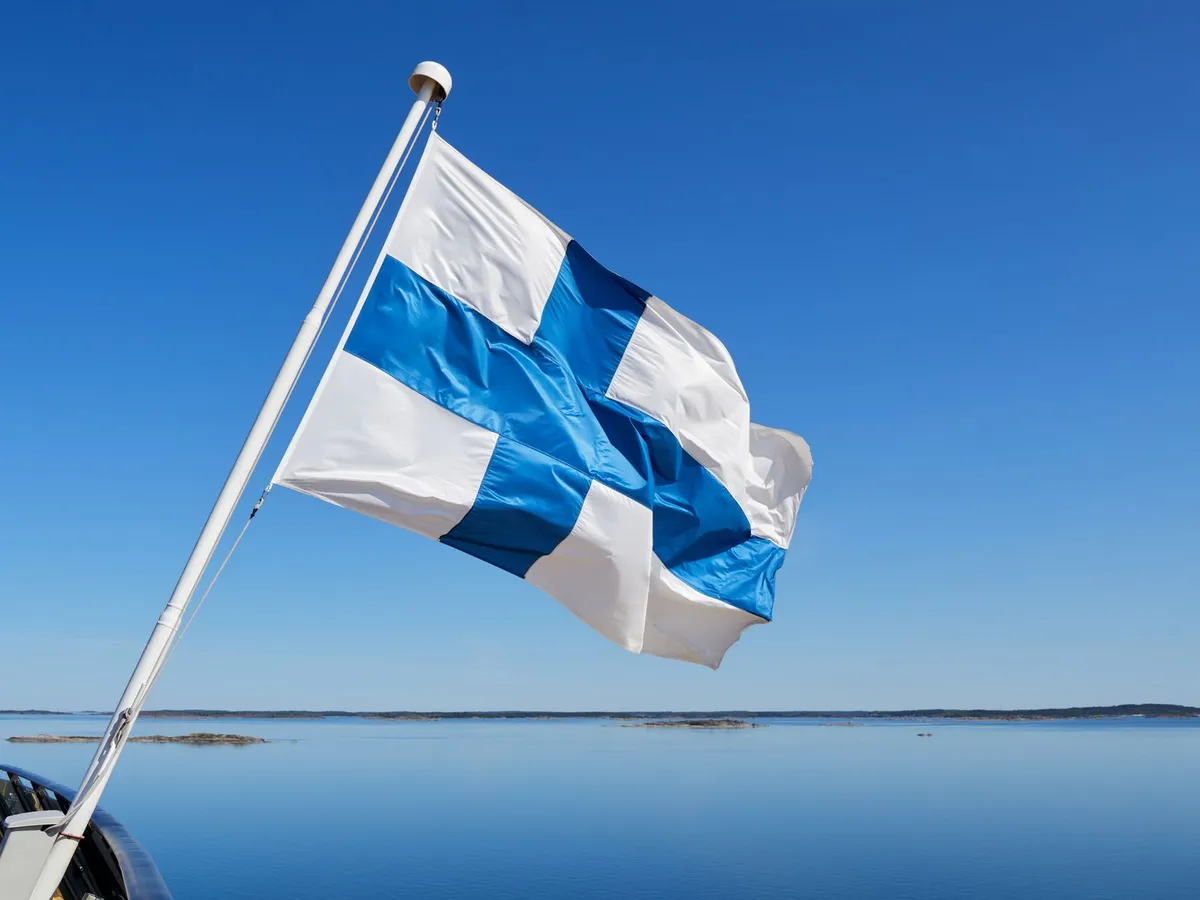
Finland has been named the world's happiest country for the ninth year in a row. This ranking comes from the 2026 World Happiness Report, which surveys wellbeing in over 140 countries each year.
Finland scored 7.764 out of 10. Iceland, Denmark, Costa Rica, and Sweden followed closely behind.
What Makes Finland So Happy?
Miika Mäkitalo, CEO of HappyOrNot, a Finnish company, points to "sisu." This Finnish concept means a mix of resilience, determination, and inner strength. Mäkitalo explained that this helps Finns handle challenges like long, dark winters and economic problems.
We're a new kind of news feed.
Regular news is designed to drain you. We're a non-profit built to restore you. Every story we publish is scored for impact, progress, and hope.
Start Your News DetoxHe added that strong social policies also play a role. These include generous shared parental leave and free university education. Finns also have the right to explore forests and enjoy nature.
The last time Finland wasn't number one was in 2017, when Norway took the top spot. Finland was fifth that year.
Costa Rica made a big jump, moving up 19 spots from 2022 to enter the top five. It's the first Latin American country to do so. The United States ranked 23rd.
How Happiness is Measured
The World Happiness Report compares survey answers from people in over 140 countries. Questions cover topics like generosity, corruption, and how long people live healthy lives. Participants also share emotions they felt the day before, such as enjoyment, worry, or anger. The report also looks at behaviors like donating or helping strangers.
Laura Hall, a journalist based in Copenhagen, noted that happiness isn't just about smiling. She told the BBC it's about trust in society and believing everyone works together for the common good.
The main happiness score comes from a single question. About 1,000 people in each country answer it every year. They imagine a ladder from zero to ten, where ten is the best possible life. They then say where they feel they stand on that ladder. This is called the Cantril Scale, and the report uses an average from the past three years.
John F. Helliwell, an economist and founding editor of the report, said that building good things in life is more important than fixing bad ones. The World Happiness Report is a joint effort by Gallup, the Oxford Wellbeing Research Center, and the UN Sustainable Development Solutions Network. It started in its current form in 2012.
Social Media's Impact on Youth Happiness
This year's report also looked at how social media affects young people's happiness. Researchers found that teenagers who used social media for less than one hour a day were the happiest. This group was happier than those who spent more time on social media and even those who didn't use it at all. In 47 countries, young people who used social media for over seven hours daily reported much lower wellbeing scores.
Jan-Emmanuel De Neve, an Oxford economist and report editor, explained that the link between social media and wellbeing depends on many factors. These include which platforms are used, who uses them, how they are used, and for how long. He noted that heavy use is linked to lower wellbeing. However, people who completely avoid social media might miss out on some positive effects.
Most young people today are happier than those two decades ago. Still, the scores for people under 25 in the U.S., Canada, New Zealand, and Australia have dropped by 0.86 points over the last ten years. This year, no English-speaking countries made it into the top ten for the second time.
Julie Ray, Gallup’s managing editor, believes strong social connections are key. She told Reuters that social support is a strong predictor of wellbeing. She added that younger people in some countries report feeling less supported, which could explain these trends.