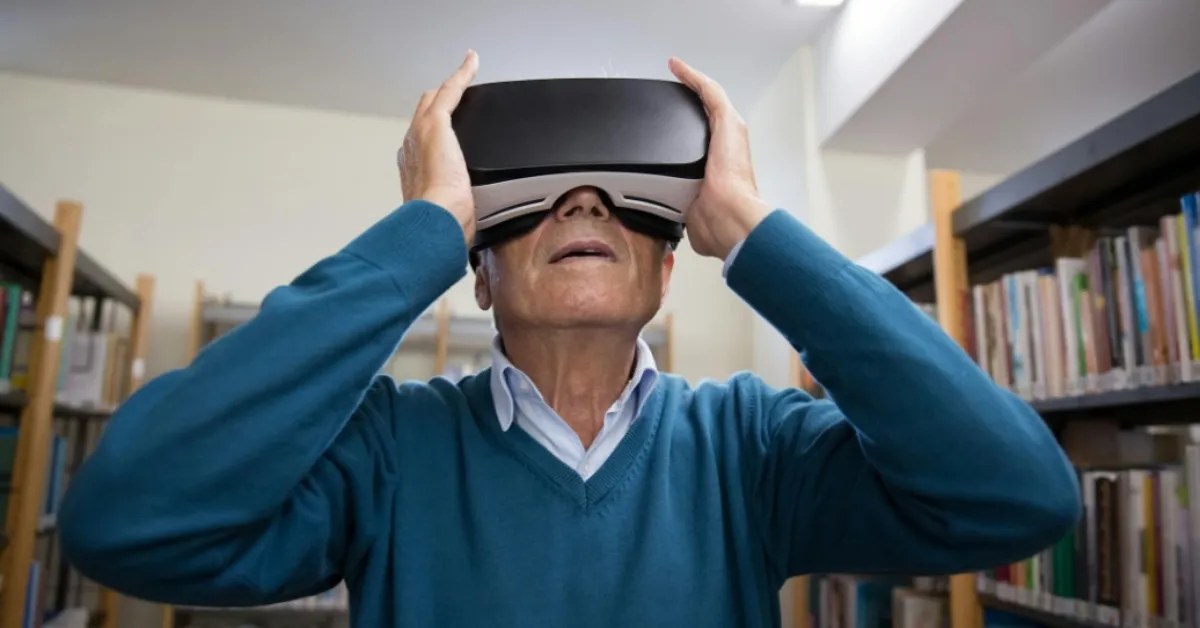
Imagine stepping into a virtual park to play chess with friends, all from the comfort of your living room. That's exactly what some older adults in Hong Kong are doing, and it's making a real difference in how connected they feel.
A clever study from the Hong Kong University of Science and Technology found that virtual reality (VR) gaming isn't just for kids. It's actually a powerful tool to fight loneliness and boost brain power in older adults.
Researchers brought together 18 seniors and dropped them into a custom-built virtual park. Here, they could play Xiangqi, a popular Chinese chess game. After their matches, they'd gather in a "Cultural Corridor" to chat and hang out. It's like a digital community center.
We're a new kind of news feed.
Regular news is designed to drain you. We're a non-profit built to restore you. Every story we publish is scored for impact, progress, and hope.
Start Your News DetoxParticipants said they felt much more connected after playing. They loved being able to jump into a game or just watch, making the whole experience low-pressure and fun.
Why a Game of Chess Makes a Difference
Qianjie Wei, who led the study, explained that Chinese chess was the perfect choice. It's already a huge social activity for older adults in China, so it felt familiar. Plus, it's a serious brain workout.
To play well, you need to focus, remember moves, think logically, and make smart choices. Regularly using these skills is like a gym for your brain, helping to keep it sharp as you age.
But it's the social aspect that's truly key. Playing together, even virtually, creates real connections, offers emotional support, and builds a sense of community. It's a seriously cool way to bridge distances.
The team is already thinking about what's next. They're looking into adding more cultural activities, like music or calligraphy, to these virtual worlds. It shows that virtual reality isn't just about escaping reality; it can actually enhance it, helping people connect and thrive.