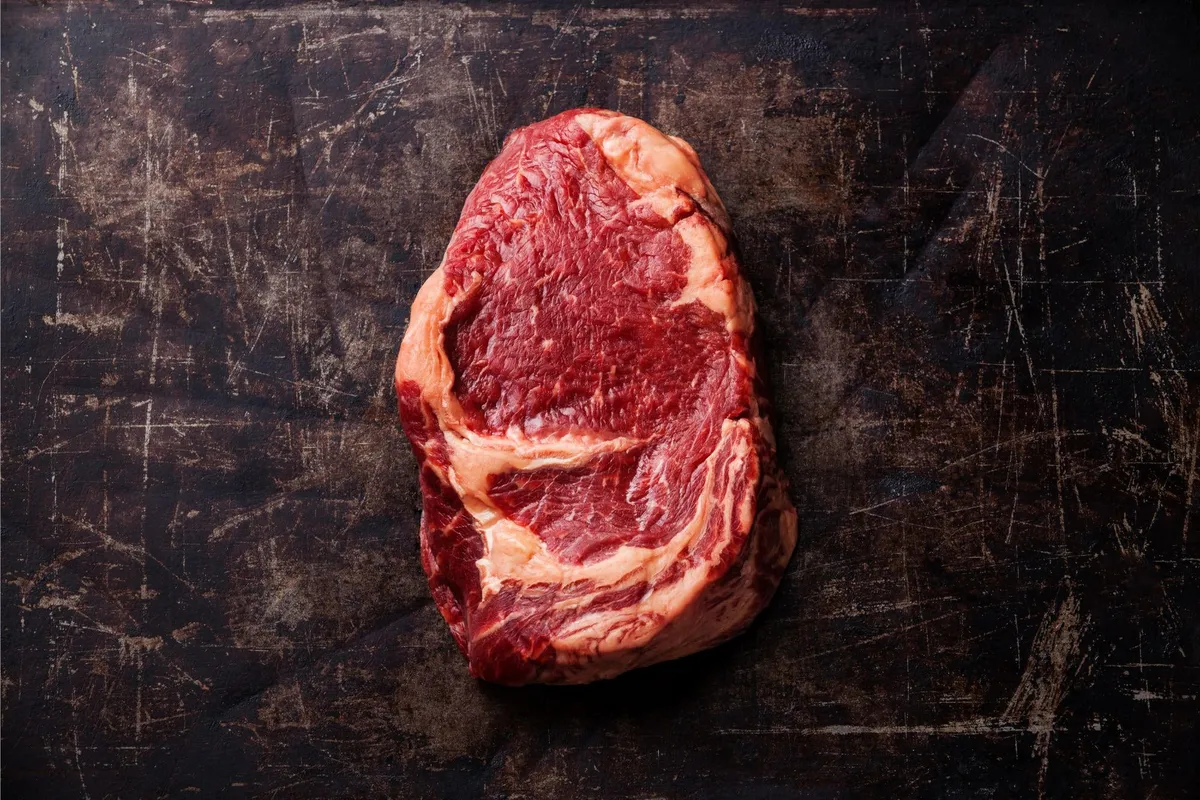
Get this: a new study out of Sweden just dropped a pretty wild idea. For some older adults, eating meat might actually lower their risk of developing dementia. Seriously.
This isn't just a random finding. It specifically applies to people who carry a certain gene called APOE. If you have the APOE 3/4 or APOE 4/4 versions, you're already at a higher risk for Alzheimer's disease. About 30% of Swedes have these gene types, and nearly 70% of people with Alzheimer's do, too. So, this isn't a small group we're talking about.
Researchers at Karolinska Institutet tracked over 2,100 people for up to 15 years. Everyone was 60 or older and dementia-free when the study started. They looked at what these folks ate and how their thinking skills changed over time, adjusting for things like age and lifestyle.
We're a new kind of news feed.
Regular news is designed to drain you. We're a non-profit built to restore you. Every story we publish is scored for impact, progress, and hope.
Start Your News DetoxHere's the kicker: for those with the APOE 3/4 and 4/4 genes, eating less meat more than doubled their dementia risk. That's compared to people without those gene variants. But here's the cool part — that higher risk totally vanished for the folks who ate the most meat. We're talking about 870 grams of meat per week, adjusted for a 2,000-calorie diet.
Jakob Norgren, who led the study, thinks this might go way back. The APOE4 gene is super old, possibly evolving when early humans chowed down on more meat. This makes you wonder if our genes are basically telling us what kind of fuel we run best on.
It's not just about how much meat, either. The kind of meat matters. Eating less processed meat was linked to a lower dementia risk for everyone, regardless of their genes. And for those with the APOE 3/4 and 4/4 genes, eating more unprocessed meat also meant a significantly lower risk of death from any cause. That's a double win.
This study was observational, so it shows a link, not a direct cause. But it's a huge hint that generic diet advice might not work for everyone. Imagine getting dietary guidelines tailored just for your genes. That's the future Norgren is pushing for, especially in places like Nordic countries where the APOE4 gene is extra common. Pretty nuts, right?