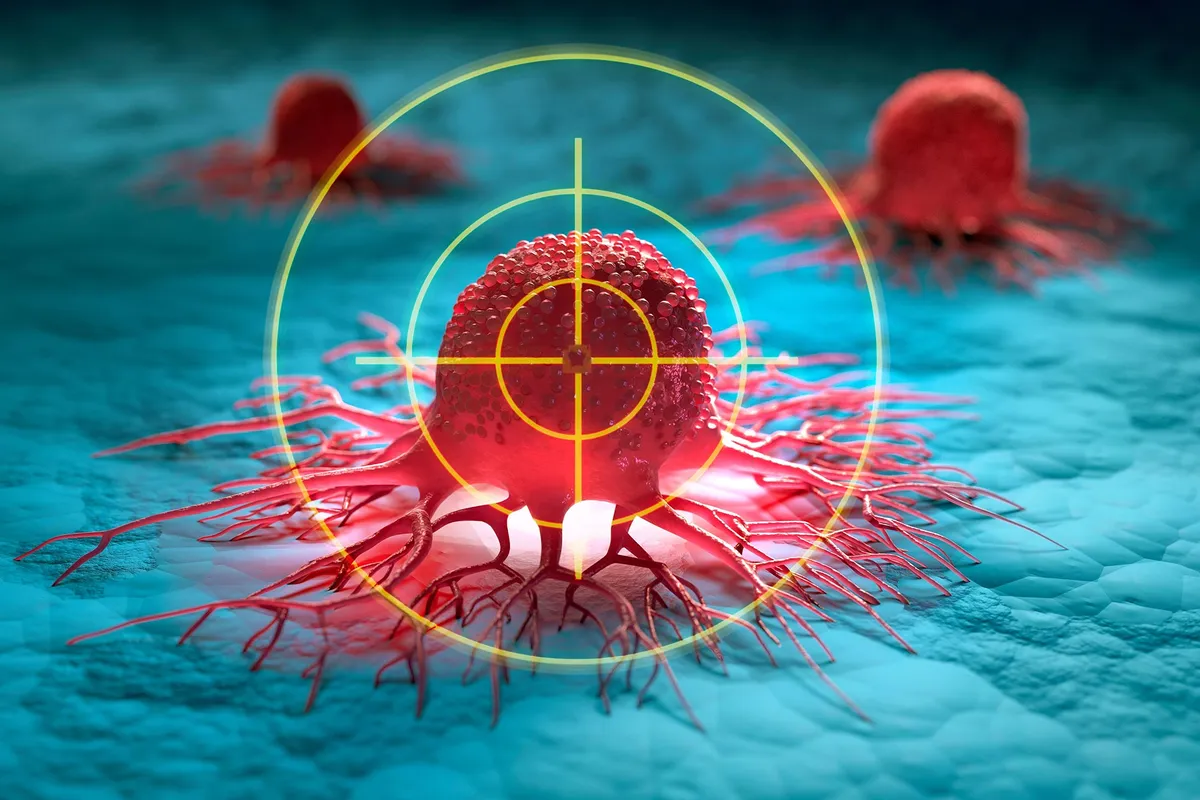
Ever wonder why a cancer treatment works wonders for one person but barely touches another? Scientists just found a wild reason why: some drugs get stuck in tiny "recycling centers" inside cancer cells, messing with how well they work.
Turns out, certain drugs don't spread evenly throughout a tumor. Instead, they get stashed away in lysosomes, which are like the cell's waste disposal and recycling units. These lysosomes then slowly drip-feed the drug over time, changing everything about how effective the treatment is.
Why Some Drugs Get "Stuck"
For a drug to really hit cancer hard, enough of it needs to get inside the bad cells and stay there. Researchers looked at a type of drug called PARP inhibitors, which are a big deal in treating ovarian, breast, and prostate cancers. They studied real ovarian tumor samples, kept alive in the lab, to watch where these drugs went.
We're a new kind of news feed.
Regular news is designed to drain you. We're a non-profit built to restore you. Every story we publish is scored for impact, progress, and hope.
Start Your News DetoxThey used special imaging to map out exactly where the drug molecules gathered. What they saw was pretty nuts: huge differences in drug levels, not just between different patients, but even in different parts of the same tumor. And the main culprit? Those lysosomes.
Some PARP inhibitors, like rucaparib and niraparib, get sucked into these compartments and basically put into slow release. They don't spread out evenly to do their job across the whole cell. This means some cancer cells get a good dose, while others barely get any. Interestingly, another PARP inhibitor, olaparib, didn't show this same trapping effect.
This isn't just a lab quirk. Dr. Carmen Ramirez Moncayo, one of the lead researchers, was genuinely surprised by how big these differences were, even down to individual cells. It's like the cells have hidden drug storage units.
What This Means for You
This discovery is a serious step toward making cancer treatments smarter. Right now, drugs travel through the bloodstream, and tumors often have disorganized blood vessels, making drug delivery a total lottery. Add these lysosomal traps, and it's even more complicated.
Understanding how drugs get stored and spread inside cells could mean more personalized treatments in the future. Imagine doctors being able to look at a patient's tumor and know exactly how a drug will behave, tailoring the dose or even choosing a different drug that won't get trapped. That could mean better outcomes, less resistance, and fewer relapses. It's about making sure every patient gets the exact fight they need.