Imagine a quick, painless swab up your nose that could tell you if Alzheimer's is brewing, long before you even forget where you put your keys. Seriously, that's what scientists are working on right now.
Alzheimer's is a tough one to catch early, but new treatments could change everything if we can get ahead of it. The trick is finding a way to see what's happening in the brain before damage sets in.
How it Works
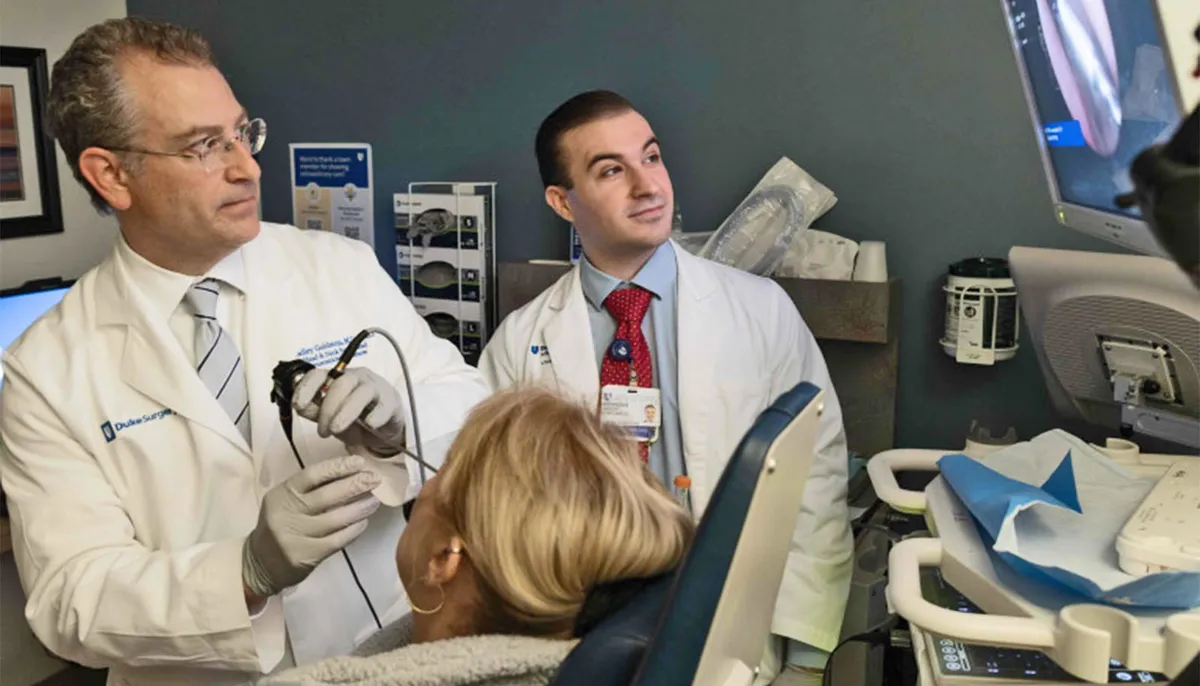
Researchers at Duke University came up with a clever idea. They gently swabbed high inside the nose, where special nerve cells involved in smell hang out. They also picked up some immune cells from the same spot. It's painless, only takes a few minutes, and just needs a quick numbing spray first.
We're a new kind of news feed.
Regular news is designed to drain you. We're a non-profit built to restore you. Every story we publish is scored for impact, progress, and hope.
Start Your News DetoxWhy the nose? Well, those smell-detecting nerve cells are actually exposed to the outside world, but they're still connected to the brain. Think of them as a tiny, accessible window into what's going on upstairs. By looking at the genes active in these cells, scientists can see the hidden changes linked to Alzheimer's.
In a recent study, this nasal swab technique correctly identified early Alzheimer's about 81% of the time. That includes people who had biological signs of the disease but no memory problems yet. That's pretty nuts, considering current blood tests often only pick up markers after symptoms have started.
Mary Umstead joined the study to honor her sister, Mariah, who was diagnosed with early-onset Alzheimer's at 57. Mary hopes this research means fewer families will go through that same heartbreak.
This isn't just about finding the disease earlier. It's about opening the door for treatments to step in and potentially stop Alzheimer's before it really takes hold. Instead of looking at old, post-mortem brain tissue, we can now study living nerve cells and see changes as they happen. That's a huge leap.
The Duke team is already expanding this research, even filing a patent for their method. They want to see if this swab can also track how well new treatments are working over time. Talk about a game-changer for fighting this disease.