Ever wonder why some medical devices just don't seem to work for everyone? Turns out, a lot of them weren't designed with everyone in mind.
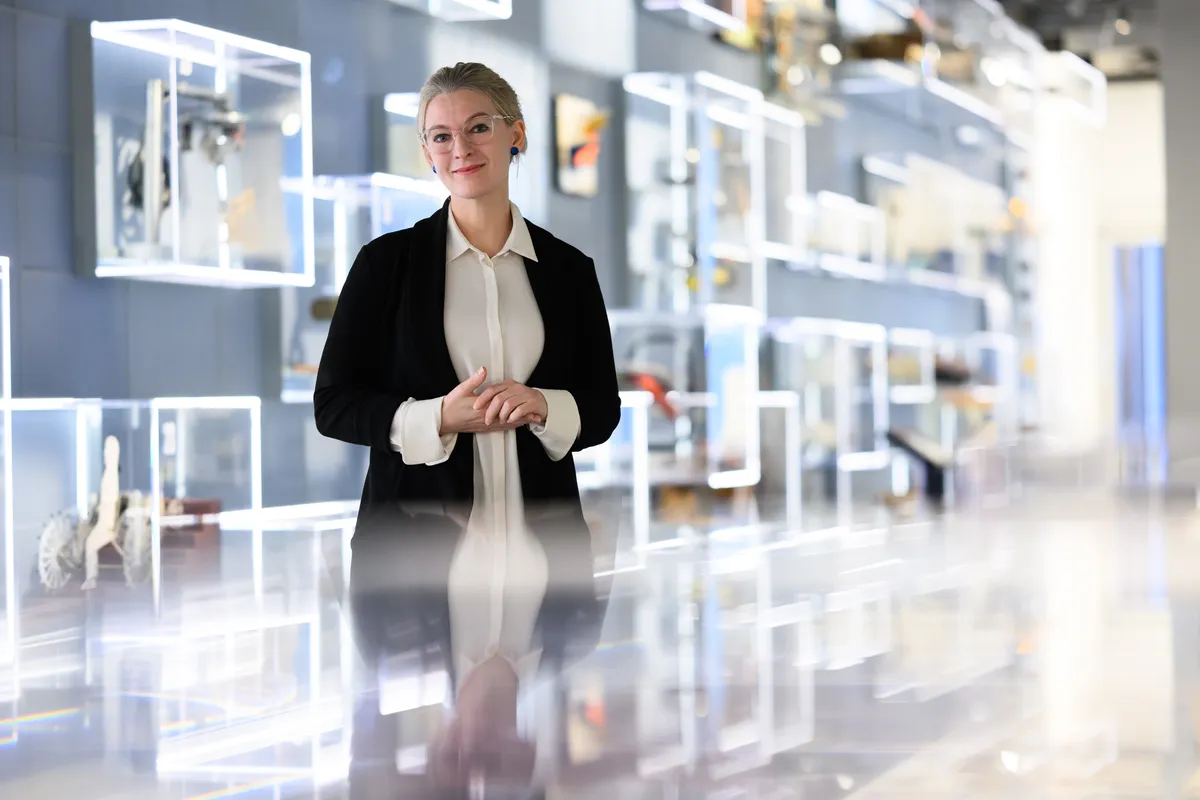
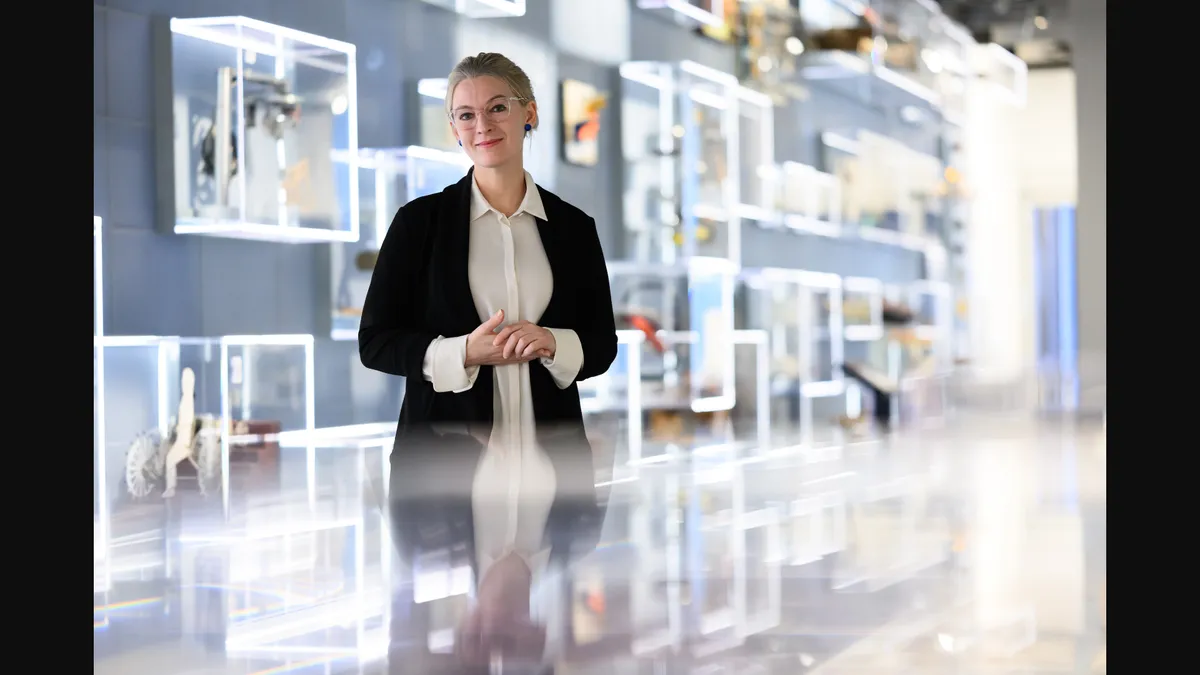
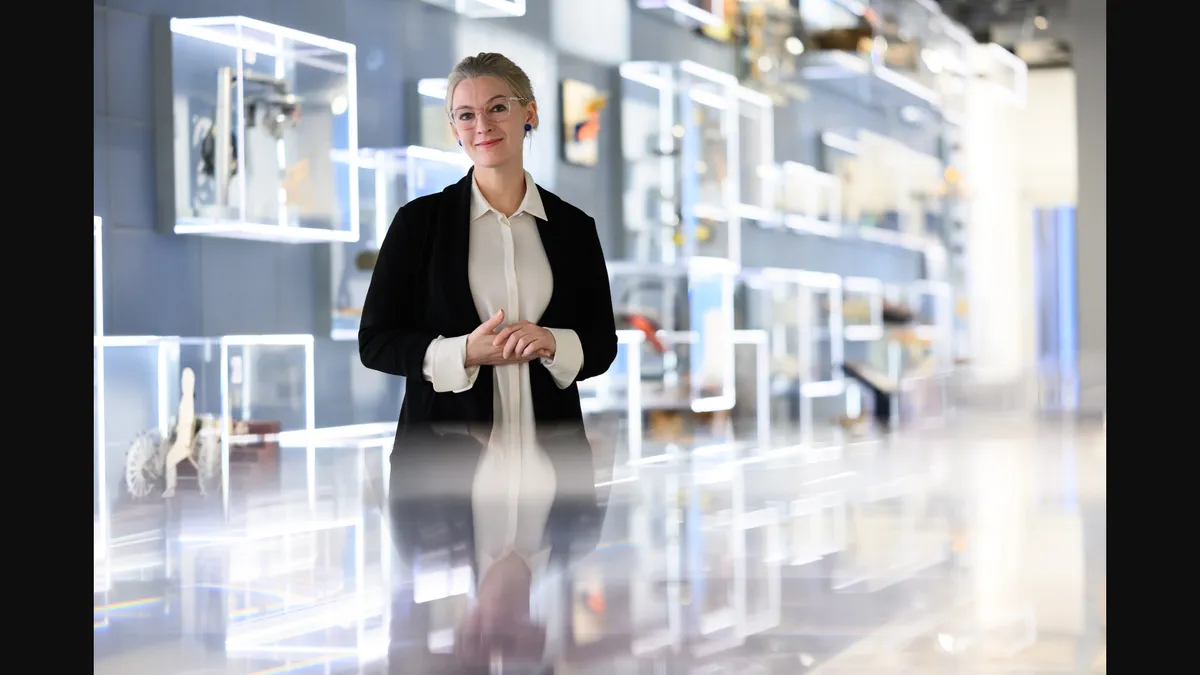
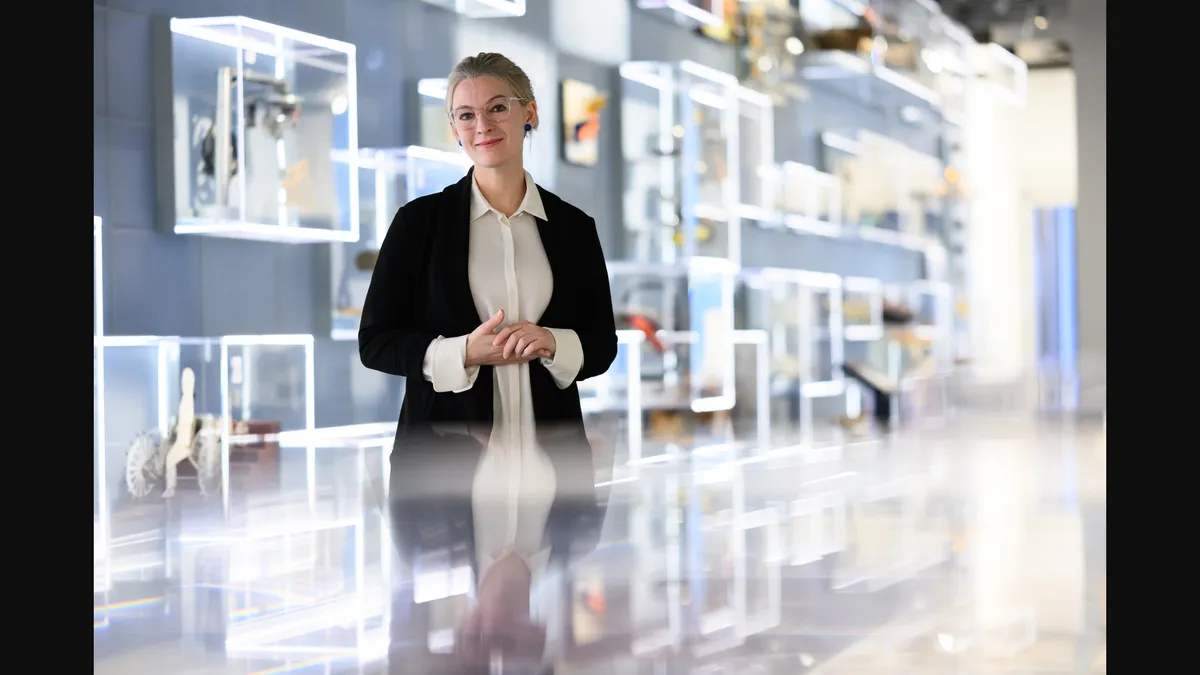
Meet Amy Moran-Thomas, an MIT anthropologist who's basically a detective for health tech. She's not just looking at the gadgets themselves, but how they actually work for real people, especially those often overlooked.
Rethinking Medical Devices
Imagine this: you're a doctor, and your patient's insulin spoils in a heat wave. Or their glucose meter keeps breaking. That's what Norma Flores, from the Belize Diabetes Association, told Moran-Thomas's class. It's a huge problem, and it sparked a big idea: what if insulin could handle the heat? What if medical devices were easy to fix, no matter where you live?
We're a new kind of news feed.
Regular news is designed to drain you. We're a non-profit built to restore you. Every story we publish is scored for impact, progress, and hope.
Start Your News DetoxMoran-Thomas realized something crucial: if people keep complaining about issues that aren't in medical textbooks, it means there's a huge blind spot. Her secret weapon? Ethnography — basically, studying people and their cultures to uncover these hidden problems.
Uncovering Hidden Health Realities
Her work is seriously cool. Take her book, "Traveling with Sugar." It dives into diabetes in Belize, showing how things like sugar-heavy diets and unreliable medical tools became a problem. It's about how the tech often just misses the mark for local needs.
Then there's the "Sugar Atlas" project. She's co-leading a team mapping the social and economic side of diabetes in the Caribbean. They're looking at everything from how far you have to travel to get fresh veggies to how climate change affects fishing. It’s all about building a community platform that tells a different story about these conditions.
During the 2020 pandemic, Moran-Thomas made a wild discovery. She found that pulse oximeters, those little clips that measure your oxygen, gave different readings based on skin color. Patients with darker skin were three times more likely to get inaccurate results. Her research got the FDA to recommend changes, which is a pretty big deal.
Empowering Communities with Tech
Now, she's working on a book about how industrial activities affect health in Pennsylvania. She's even teaming up with an MIT seismologist to create low-cost sensors. These sensors let people measure industrial shaking near their homes themselves. It's all about putting power back into people's hands.
Here's the thing most people miss: sometimes, the most important medical device isn't in a hospital. It's a simple monitor right in your home. Moran-Thomas's work, from tiny sensors to global health systems, is all about making health care work better for everyone, and maybe even reducing the need for it in the first place. It's a clever way to see how even one small device is connected to a much bigger picture.