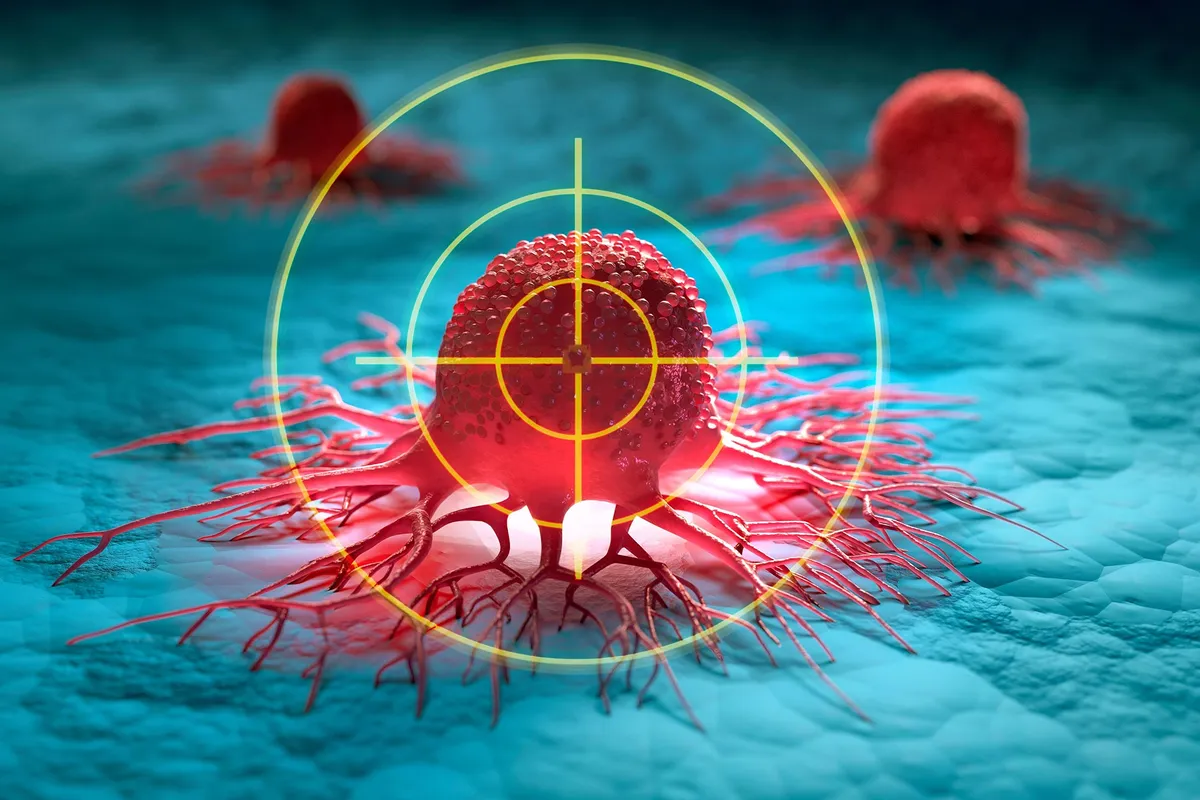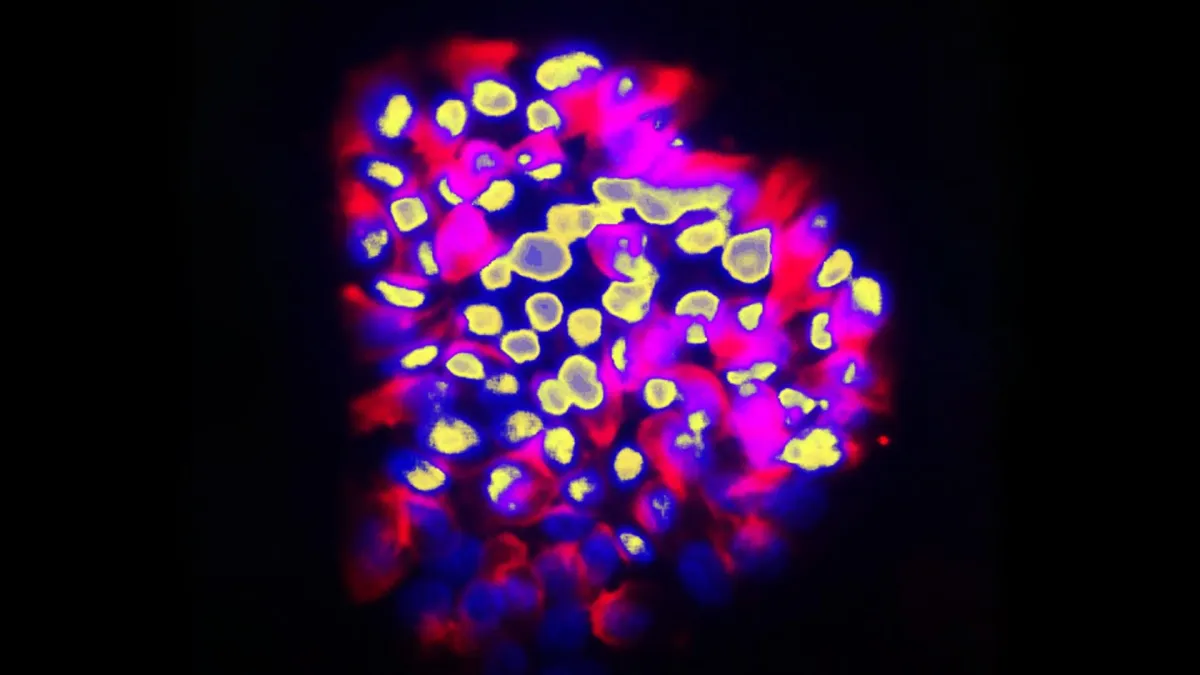
Researchers have found that cancer spread isn't random. Instead, it follows a biological "program." By studying colon tumor cells, they found gene patterns that show if a cancer is likely to spread.
Their new AI tool, MangroveGS, can predict this risk with about 80% accuracy. It even works for many different types of cancer. This discovery could change how doctors decide who needs strong treatment and who doesn't.
Cancer as a Planned Process
Ariel Ruiz i Altaba, a professor at the University of Geneva, led the study. He explained that cancer is like a twisted form of development. Genetic changes can turn on biological programs that are usually off after early growth. These programs then drive tumor growth.
We're a new kind of news feed.
Regular news is designed to drain you. We're a non-profit built to restore you. Every story we publish is scored for impact, progress, and hope.
Start Your News DetoxCancer seems to follow clear biological rules. The challenge is to understand these rules. For cancer that spreads, the goal is to find what makes cells break away from a tumor and create new ones elsewhere.
Tracking Cancer Cells That Spread
Most cancer deaths happen because the disease spreads, especially with colon, breast, and lung cancers. By the time cancer cells are found in the blood, the cancer has often already started to spread. Scientists know many of the changes that cause tumors. But no single change explains why some cells move and others stay put.
Professor Ruiz i Altaba noted the difficulty in fully understanding a cell's makeup while also watching it function. To solve this, researchers grew tumor cells in the lab. They then tested these cells to see how well they could move and spread in a mouse model.
Gene Clues for Cancer Spread
The team looked at hundreds of genes in about 30 cell clones from two colon tumors. They found clear gene patterns that matched how well each cell could move and spread. The ability to spread was not based on one cell's profile. Instead, it depended on how groups of related cancer cells interacted.
AI Tool Predicts Spreading Risk
The researchers put these gene patterns into an AI system called MangroveGS. Aravind Srinivasan explained that this tool uses many gene patterns. This makes it very good at handling individual differences.
After training, the tool could predict cancer spread and recurrence with almost 80% accuracy. This was better than other methods. The same gene patterns from colon cancer also helped predict the risk of spreading in stomach, lung, and breast cancers.
Moving Towards Personalized Cancer Care
MangroveGS can use tumor samples from hospitals. It analyzes the cells, sequences their RNA, and quickly gives a risk score for cancer spread. This information is then shared with doctors and patients through a secure platform.
Ariel Ruiz i Altaba said this tool will help avoid giving too much treatment to low-risk patients. This will reduce side effects and costs. It will also help doctors focus more on high-risk patients. The tool can also improve clinical trials by helping select the right participants. This means fewer volunteers are needed, and studies can be more effective.
Deep Dive & References
- Emergence of high-metastatic potentials and prediction of recurrence and metastasis - Cell Reports, 2026