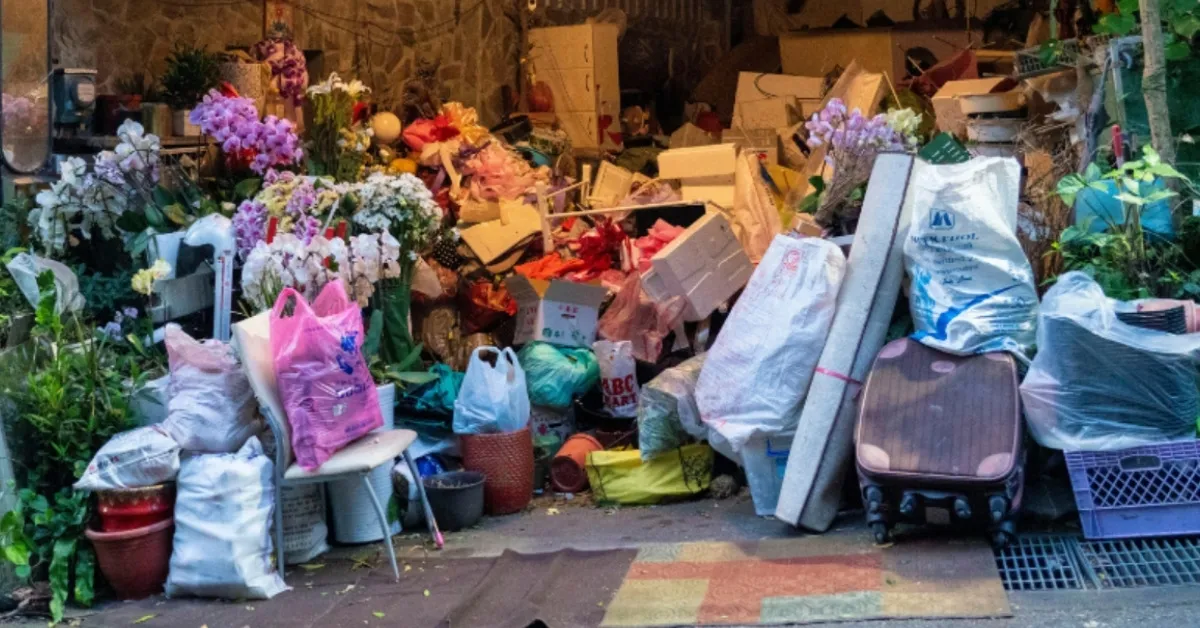
Imagine practicing decluttering your most crowded room, but without any of the stress. That's exactly what people with hoarding disorder are now doing, thanks to virtual reality.
A new study out of Stanford University shows how VR is helping people tackle hoarding. Nine adults, all over 55, created digital versions of their cluttered rooms. Then, they stepped into that virtual space.
For weeks, they practiced. They picked up virtual items, decided what to keep, and what to toss. Dr. Carolyn Rodriguez, who led the study, calls it a "stepping stone." It's a way to get comfortable with letting go, all in a low-stress environment.
We're a new kind of news feed.
Regular news is designed to drain you. We're a non-profit built to restore you. Every story we publish is scored for impact, progress, and hope.
Start Your News DetoxThink about it: for someone with hoarding disorder, getting rid of something can feel incredibly overwhelming. This VR practice helps them build those decision-making muscles without the immediate anxiety of real-world consequences.
The study ran for 16 weeks. First, participants joined an online support group to learn coping skills. Then came the VR part, where they spent weeks virtually decluttering. The seriously cool part? Most of them started decluttering their actual homes by the end of the study.
This isn't just about tidying up. Hoarding disorder is a real brain condition, not a personal failing. This research offers a new, clever way to help people find hope and treatment. It's a reminder that sometimes, the most effective solutions come from unexpected places.