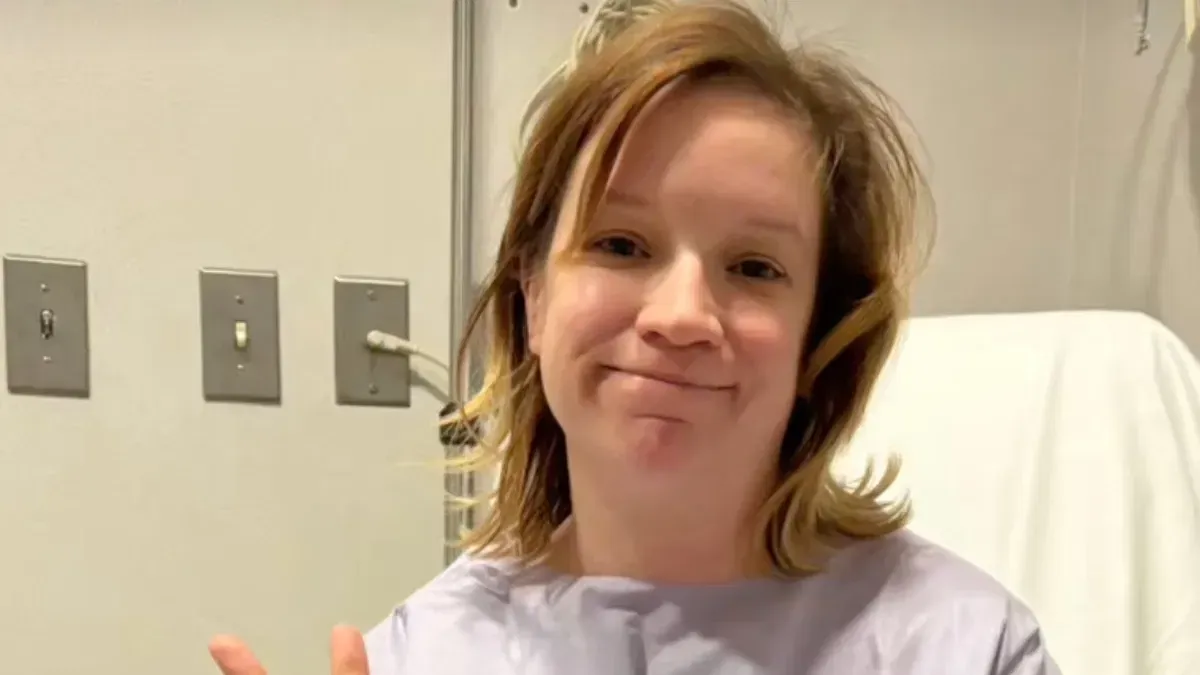
Grace Bell gave birth to a baby boy in December 2025 at a London hospital. That might sound routine — except Bell was born without a uterus, a rare condition that once made pregnancy impossible for her. She'd received a womb transplant from a deceased donor, carried the pregnancy herself, and delivered Hugo Richard Norman Powell by cesarean section. It's the first time this has happened in the UK, and only the third time in all of Europe.
For women with uterine factor infertility — whether from being born without a uterus, previous surgery, or medical treatment — this moment matters. Until now, their only paths to parenthood were adoption or surrogacy. Womb transplantation opens a third door: the chance to carry and give birth to their own biological child.
How This Became Possible
Bell's transplant was part of INSITU, a UK research program that brings together surgeons, fertility specialists, and transplant experts. After the surgery, she underwent IVF treatment and embryo transfer at the Lister Fertility Clinic in London, with doctors monitoring closely throughout the pregnancy.
We're a new kind of news feed.
Regular news is designed to drain you. We're a non-profit built to restore you. Every story we publish is scored for impact, progress, and hope.
Start Your News DetoxProfessor Richard Smith, who co-leads the research team, was present at Hugo's birth. "I'm so happy for Grace, Steve and their family," he said. "It was just wonderful to be there at the birth and to see baby Hugo coming into the world, after our journey with this family and the many years of research that led us to this moment."
But Smith made clear who deserves the real credit. The donor's parents — who made the decision to donate following their daughter's death — gave Bell and her family something they'd thought was out of reach. "This was only possible thanks to the generosity of the donor family," Smith said. The donor's parents responded by sharing their own perspective: through organ donation, their daughter "has given other families the precious gift of time, hope, healing and now life."
Bell's gratitude runs deep. "There are no words to say thank you enough to my donor and her family," she said. "Their kindness and selflessness to a complete stranger is the reason I have been able to fulfil my lifelong dream of being a mum."
What This Opens Up
Womb transplantation is still emerging — it's not yet a standard procedure, and it requires careful donor-recipient matching, complex surgery, and close medical supervision through IVF and pregnancy. But each successful birth adds data and confidence to the field.
Dr. Isabel Quiroga, co-lead of the UK team, emphasized what makes this different from other reproductive options. "This is the only treatment that gives them the ability to carry and give birth to their own child," she said. For women who want that experience — to feel their baby grow inside them, to experience labor and birth — surrogacy and adoption, while valuable, aren't the same.
Bell hopes Hugo's arrival signals what's coming. "My hope is that one day this option to motherhood will become much more accessible, so others may have the same chance I have been given." Right now, womb transplantation exists mostly in research programs. But as more births succeed, the procedure could eventually reach more families facing similar challenges.